Table of Contents
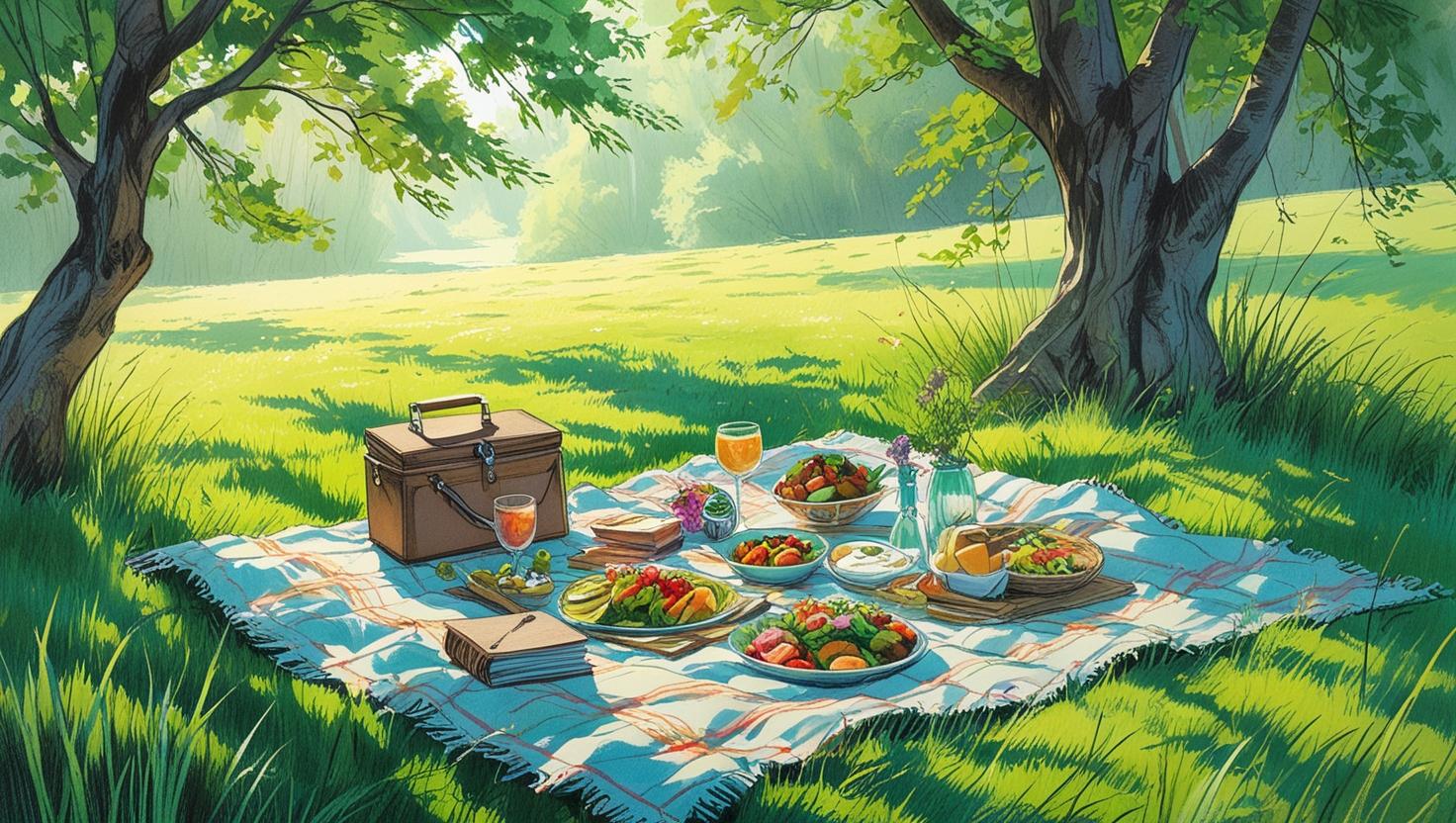
There is something profoundly soothing about taking a meal outdoors, sitting on a blanket under the open sky, and feeling the gentle rhythm of nature surrounding you. A picnic is more than just food in a basket—it can become a deeply restorative ritual for relaxation, reflection, and reconnection with yourself. In a world where we are constantly tethered to screens and deadlines, creating a mindful picnic ritual offers a grounding way to pause, nourish your body, and soften your mind. This article will guide you through the process of designing your own picnic ritual, transforming a simple outing into a practice of calm and emotional renewal.
Why a picnic Ritual is more than just eating outside
The very idea of a picnic ritual has long been associated with leisure, family gatherings, and seasonal joy. But when framed intentionally, it can evolve into a sacred self-care practice. Rituals are powerful because they turn ordinary acts into meaningful experiences. Eating outdoors can become a ritual when you add layers of mindfulness: choosing food that feels nourishing, setting an intentional location, engaging your senses, and treating the entire process as a gift to yourself. Unlike hurried meals eaten while multitasking, a picnic ritual invites you to slow down and savor. It allows you to engage deeply with your environment, your emotions, and your inner rhythm.
Research shows that being in nature reduces stress, lowers blood pressure, and improves mood regulation. The Japanese practice of shinrin-yoku, or forest bathing, is based on the idea that time spent among trees and greenery can enhance mental well-being. When you weave this wisdom into the structure of a picnic, it becomes more than an outing—it becomes a holistic tool for relaxation and healing.
The role of intention in creating a picnic ritual
A ritual differs from a routine in one significant way: intention. While anyone can pack a sandwich and sit in the park, creating a picnic ritual begins with setting a mindful purpose. Perhaps your picnic ritual is dedicated to cultivating gratitude, soothing stress, or simply enjoying solitude in a restorative way. When you set an intention, you transform the experience from a casual pastime into a practice that aligns with your emotional and spiritual needs.
Before you plan your picnic, take a moment to ask yourself what you need most. Do you want stillness after a week of chaos? Do you crave gentle movement and grounding through walking barefoot on the grass? Or perhaps you seek connection—with yourself, a loved one, or the natural world around you. This intention will shape the way you prepare, what you bring, and how you experience each moment.
Preparing food as a mindful act
One of the most delightful aspects of a picnic is the food, but in a ritual context, preparation becomes an act of mindfulness. Instead of rushing through the process, you can slow down and notice the textures, colors, and aromas of the food you are creating. Choosing ingredients that nourish both your body and senses sets the tone for relaxation. Fresh fruits, whole grains, herbal teas, and hydrating water infusions can all contribute to a light yet satisfying meal that supports calm.
As you prepare, try to notice the rhythm of your actions—the sound of chopping vegetables, the fragrance of herbs, the way colors complement each other on the plate. This practice draws you into the present moment and makes the food itself an essential part of your relaxation ritual. It also ensures that when you finally arrive at your picnic spot, the meal already carries the energy of mindful care.
Choosing the right location
The setting of your picnic is not just a backdrop but a participant in the ritual. A quiet park, a riverside, a meadow, or even your own garden can become the sanctuary where your ritual unfolds. The key is to select a place that feels safe, inviting, and aligned with the energy you wish to cultivate. If your goal is serenity, choose a place away from loud crowds. If your goal is connection, perhaps a space where others gather will feel right.
When scouting a location, pay attention to details. Is there enough shade for comfort? Is the ground level enough for sitting with ease? Can you hear birdsong or the rustle of leaves? These sensory elements will enhance your relaxation. Some people even return to the same location repeatedly, allowing it to become a symbolic container for their ritual, much like returning to a meditation cushion.
Engaging the senses during the picnic
What makes a picnic ritual deeply restorative is the way it engages all of your senses. Sight, sound, taste, touch, and smell are all invitations into presence. Allow yourself to notice the vibrant colors of your food, the way sunlight filters through tree branches, or the delicate patterns in petals and leaves around you. Listen to the ambient soundscape—the hum of insects, the laughter of children in the distance, the steady rhythm of your own breath.
Taste becomes more vivid when you eat slowly, noticing each bite instead of consuming food automatically. Touch can be grounding when you run your hand along the texture of a blanket or let your feet press into the cool grass. The scent of fresh air and earth itself has a calming effect on the nervous system.
When you give each sense permission to awaken, your picnic shifts into a meditative experience. The food becomes more than sustenance; it becomes an anchor for presence. The location becomes more than a backdrop; it becomes a living partner in your relaxation.

Creating ritual markers for presence
Rituals often include markers or small practices that signal the beginning and end of the experience. For your picnic ritual, you might light a candle in a wind-safe lantern, say a quiet affirmation, or take three slow breaths before beginning to eat. These small gestures communicate to your body and mind that you are entering sacred time. They mark the transition from ordinary life into intentional relaxation.
At the end of your picnic, you might close with gratitude. This can be as simple as silently thanking the earth for providing nourishment, expressing appreciation for the food and your own self-care, or journaling a few reflections. Closing rituals matter because they help you integrate the calm and carry it back into the rest of your life.
Incorporating gentle movement and stillness
Relaxation does not always mean being still; it can also involve gentle forms of movement. Some people find that stretching on the blanket, practicing a few yoga poses, or walking barefoot in the grass deepens their sense of connection to their body and the earth. Others may find that stillness—lying down and watching the sky, meditating, or simply sitting quietly—offers the deepest restoration.
The beauty of a picnic ritual is that it allows you to flow between movement and stillness. You might begin with a mindful walk to your chosen location, allowing each step to anchor you in presence. Once settled, you might enjoy food slowly and then rest in silence. Later, you might move again—gathering flowers, writing in a journal, or stretching. This fluidity ensures that the ritual adapts to your energy and needs.
Sharing the ritual with others
Although a picnic ritual can be profoundly nourishing alone, it can also become a shared experience that strengthens connection with others. Sharing food under the sky has long been a universal expression of community. When you invite a friend, partner, or family member to join your ritual, you create an opportunity for bonding in a calm, intentional environment.
Unlike noisy social gatherings, a ritual picnic can be framed with shared intentions. You might agree to put away phones, to eat slowly, to share reflections about gratitude or joy. This creates a safe container for presence and authentic connection. The simplicity of sitting together on the ground, away from distractions, allows conversation to unfold naturally and intimacy to deepen.
A brief history of picnics as a cultural ritual
The idea of dining outdoors is as old as human civilization itself. Ancient Greeks held outdoor banquets, Romans celebrated with garden feasts, and medieval Europeans enjoyed “al fresco” gatherings as part of festivals and hunts. The word “picnic” originates from the French term pique-nique, first recorded in the 17th century, which referred to a social gathering where people contributed food. Over time, this practice spread throughout Europe, and by the 19th century, picnics had become popular leisure activities for the middle and upper classes in England, immortalized in literature and art as symbols of refinement and escape.
What is striking about these traditions is how consistent the essence of picnicking remains: it has always represented a pause from routine, a deliberate act of carrying food to a scenic place, and a chance to enjoy both nourishment and environment. When we create a picnic ritual for relaxation today, we are participating in a lineage of outdoor dining that has always been about more than eating—it has been about freedom, connection, and a slower rhythm of life. Recognizing this lineage can give your own ritual a deeper sense of belonging, as though you are carrying forward a universal practice of human restoration.
Cross-cultural traditions of eating outdoors
While the Western idea of picnics is well known, nearly every culture has some tradition of outdoor dining as a form of rest, joy, or spirituality. In Japan, hanami is the custom of gathering under blooming cherry blossoms to share food and appreciate the fleeting beauty of life. In India, families often enjoy meals in parks and gardens during festivals, blending nourishment with celebration. Middle Eastern traditions of outdoor tea and food sharing emphasize hospitality and connection, while in many African communities, shared meals outdoors are part of social rituals that affirm belonging.
These traditions remind us that eating outside is not merely practical; it is cultural and symbolic. It often represents a break from formality, a way of equalizing space between people, and a way of affirming our connection to the earth. When you design your own picnic ritual, you can borrow inspiration from these diverse traditions. Perhaps you will incorporate flowers as in hanami, or include shared storytelling as in Middle Eastern tea gatherings. Allowing your ritual to be influenced by cross-cultural wisdom enriches the meaning and makes it feel timeless.
The science of relaxation: Why nature amplifies calm
Modern science has begun to explain why rituals like picnics feel restorative. Psychologists point to Attention Restoration Theory, which suggests that natural environments replenish our capacity for focus by engaging our minds in soft fascination rather than overstimulation. When you sit outdoors, your attention is gently drawn to the sound of rustling leaves or the movement of clouds, allowing the cognitive fatigue of modern life to ease.
Studies on biophilia—the innate human tendency to seek connection with nature—suggest that being outside reduces cortisol levels, boosts immune functioning, and enhances mood stability. A picnic ritual combines two stress-reducing practices: mindful eating and immersion in natural surroundings. This dual effect amplifies relaxation, making your body and mind more receptive to restoration.
Importantly, rituals also create psychological anchors. When you repeatedly engage in a picnic ritual with intention, your body begins to associate certain actions—laying down the blanket, opening the basket, hearing birdsong—with entering a state of calm. Over time, this conditioning means you can access a relaxed state more quickly and consistently.
Deepening the ritual through seasonal awareness
One way to enrich your picnic practice is to align it with the changing seasons. Each season carries its own mood, foods, and sensory experiences that can shape your ritual in unique ways. In spring, picnics might be about renewal, enjoying tender greens, and basking in fresh blossoms. Summer invites abundance, warmth, and light meals that celebrate the vibrancy of the season. Autumn brings an opportunity for grounding—warm teas, spiced fruits, and the colors of turning leaves. Winter, though often overlooked for picnics, offers its own quiet magic: thermoses of soup, blankets for warmth, and the hush of crisp air.
Aligning your picnic ritual with the seasons allows you to live more in rhythm with natural cycles, which is itself a form of relaxation. It reminds you that rest and nourishment change over time, and that each moment in nature has something distinct to offer.
The psychology of ritual formation and its calming power
Psychologists have long observed that rituals provide structure and meaning in human life. Unlike habits, which are often unconscious, rituals are intentional and symbolic. They give us a sense of continuity, predictability, and safety. When you transform a picnic into a ritual, you create a consistent practice that helps soothe your nervous system. This is because rituals act as predictable patterns in a world that often feels chaotic.
Research on ritual and stress suggests that the brain responds positively to repeated, intentional actions, releasing neurotransmitters that regulate mood and foster relaxation. A simple act, such as always beginning your picnic by taking three mindful breaths or unfolding the same blanket, conditions your mind to recognize that relaxation is about to begin. Over time, these small ritualistic cues become powerful anchors that help your body shift out of stress mode and into a parasympathetic state.
Rituals also help people process emotions. Psychologists have found that creating structured experiences—such as journaling, meditation, or lighting a candle during a picnic—provides a container for feelings that might otherwise feel overwhelming. Your picnic ritual becomes a safe space, not just for eating but for acknowledging your emotions, reflecting on your week, and giving yourself permission to release tension.
A picnic ritual as emotional healing
For many people, emotional healing requires finding spaces where the mind can rest and the heart can soften. Picnics, when done with intention, can become such a space. Eating outdoors slows down the nervous system, which can reduce symptoms of anxiety and promote a sense of safety. When you create a picnic ritual, you are also offering yourself the gift of gentle presence, which is deeply healing in a world that often demands constant productivity.
Some people use picnic rituals to work through grief, stress, or even relationship challenges. The combination of nourishment, nature, and stillness creates an environment where emotions can arise without judgment. Sitting under a tree with a notebook, for example, allows you to reflect on what is heavy in your heart while also feeling supported by the calmness of nature. Food itself carries symbolic weight—sharing bread or fruit with yourself can become a way of reminding your body that it is cared for and worthy of love.
This practice does not need to be dramatic. Sometimes the most healing moments are the simplest: noticing how the sunlight warms your skin, tasting strawberries slowly, or listening to the rhythm of your breath against the backdrop of birdsong. In these moments, the body remembers safety, and the heart remembers that it is held.

Creative variations of picnic rituals
One of the beauties of designing a picnic ritual is that it can be endlessly creative and adapted to your personal needs. Here are some variations that deepen the sense of calm and keep the ritual fresh:
Sunrise picnics: Beginning the day with a picnic at sunrise offers a sense of renewal and quiet energy. The morning air is crisp, the world is quieter, and the first rays of light carry symbolic power for new beginnings. A simple thermos of tea and fresh fruit can be enough to set the tone for a mindful day.
Moonlit picnics: Nighttime picnics invite a completely different energy—one that is contemplative, intimate, and mystical. Sitting under the moon, wrapped in blankets, sipping warm drinks, and gazing at the stars creates a sense of awe. These rituals are particularly powerful for reflecting on intentions, releasing stress, or sharing deep conversations with someone you trust.
Solo retreat picnics: A picnic for one can be one of the most nurturing forms of self-care. Bringing a book, journal, or meditation cushion allows you to make the ritual into a mini-retreat. Solo picnics encourage independence, inner reflection, and the ability to enjoy your own company.
Seasonal celebration picnics: Some people design picnics to celebrate solstices, equinoxes, or personal milestones. Aligning the ritual with natural or personal cycles adds symbolic depth and creates a rhythm of honoring life’s transitions.
Each variation reminds us that the core of the ritual is not the food itself but the way we bring attention, creativity, and care into the experience.
A human touch: Stories from real experiences
It can help to see how others use picnic rituals for calm. For example, Anna, a teacher navigating burnout, began dedicating Saturday mornings to a quiet solo picnic in her local park. At first, it felt unusual to sit alone on a blanket, but over time, she noticed that her anxiety eased and her patience with students increased. The ritual gave her a pocket of peace that carried into her classroom.
Another example is David, who was grieving the loss of a parent. He created a ritual of bringing a simple meal to a riverside where he and his parent used to walk. Sitting in that space, he would journal memories and express gratitude. Over months, the ritual became a way to hold grief with gentleness, blending sadness with healing.
These personal stories show that picnic rituals are not abstract concepts—they are real practices that people shape according to their needs. Whether for rest, grief, or renewal, the ritual becomes a bridge between everyday life and deeper emotional presence.
Spiritual dimensions of a picnic ritual
Beyond psychology and self-care, a picnic ritual can also hold spiritual meaning. Many traditions view food as sacred, a direct gift from the earth and sky. When you eat outdoors with intention, you are not only nourishing your body but also participating in a relationship with nature. The simple act of placing your meal on the earth and bowing your head in gratitude can transform eating into a prayer of connection.
Some people incorporate meditation or affirmations into their picnic ritual. For example, beginning with a short breathing exercise while listening to birdsong can ground the spirit. Others use the time to practice gratitude, silently thanking the trees, the sunlight, and the farmers who grew the food. Spirituality in this context does not have to be religious; it can simply be an acknowledgment of the miracle of being alive and nourished under an open sky.
If you are drawn to mystical practices, picnics can even align with lunar cycles. Eating under a full moon, for instance, can become a time of reflection and release, while new moon picnics can serve as a ritual of planting intentions. These practices allow your picnic ritual to evolve into a sacred ceremony that bridges the earthly and the transcendent.
Ecological awareness: A picnic that gives back
Incorporating ecological mindfulness into your picnic ritual strengthens the bond between self-care and care for the planet. Every ritual has the power to shape habits, and when your picnic includes eco-conscious choices, it becomes a statement of gratitude toward the earth. Using reusable containers, choosing local and seasonal foods, and leaving no waste behind are practical ways to respect the natural environment that holds your ritual.
Some people even add a practice of giving back, such as picking up litter in the area before laying down their blanket, or planting wildflower seeds after their picnic. These small acts turn the ritual into a cycle of reciprocity. Instead of only taking nourishment from nature, you also return something of value, whether beauty, cleanliness, or care. This ecological awareness deepens the relaxation experience because it roots your calm in a sense of integrity and harmony with the earth.
Advanced mindfulness practices during a picnic
Once your picnic ritual feels familiar, you may want to layer in mindfulness practices that deepen the experience. Eating slowly, known as mindful eating, is one entry point. But beyond that, you can explore more immersive practices.
One option is sensory meditation: taking five minutes to focus exclusively on one sense at a time. You might close your eyes and listen to every sound, then shift to feeling textures with your hands, then savor the scent of grass and food. This practice trains the mind to anchor fully in the present, quieting racing thoughts.
Another advanced practice is guided visualization. As you sit on the blanket, imagine roots growing from your body into the earth, connecting you to stability. Or imagine light from the sun filling your body with warmth and ease. These visualizations combine the physical environment with inner calm, creating a powerful meditative state.
Finally, silence itself can be a profound practice. Choosing to eat without conversation, even for a few minutes, allows you to experience the subtleties of taste and the serenity of stillness. Silence is rare in modern life, and when woven into your picnic ritual, it becomes a gift to your nervous system.
How a picnic ritual shapes long-term well-being
The power of rituals lies not just in the immediate moment but in the long-term transformation they create. Over time, regularly practicing a picnic ritual rewires your relationship with relaxation and presence. Instead of seeing self-care as something extra or indulgent, you begin to experience it as essential, woven naturally into your rhythm of life.
This cumulative effect is supported by neuroscience. The brain strengthens pathways that are repeated, meaning that each picnic ritual reinforces the association between nature, nourishment, and calm. After months of practice, even the thought of planning a picnic can trigger a relaxation response. In this way, the ritual becomes more than an event—it becomes a resource you carry within yourself.
Long-term, picnic rituals can also improve resilience. Knowing that you have a practice to return to during stressful times creates a sense of stability. Just as meditation practitioners find comfort in their cushion, you may find comfort in the idea of your picnic blanket and basket, symbols of the sanctuary you have created outdoors.
Picnic ritual as an anchor of calm
Creating a picnic ritual for relaxation is about much more than food. It is about shaping a rhythm of life that honors presence, intention, and connection to the natural world. Whether through history, culture, psychology, or spirituality, the act of eating outdoors has always symbolized renewal. By turning a simple picnic into a mindful ritual, you open a door to emotional healing, ecological awareness, and spiritual grounding.
Your ritual does not need to be elaborate. What matters is the care you bring to it—the way you prepare food with attention, choose a location with heart, and allow your senses to awaken. Over time, this practice becomes a gentle anchor, a way of reminding yourself that calm is not found in escaping life but in meeting it with presence.
Under the sky, with food before you and the earth beneath you, you are reminded that relaxation is your birthright, and that rituals—however small—can restore balance in a world that too often feels overwhelming.
Related posts You’ll love:
- Digital detox evenings: How to create a tech-free sanctuary for inner calm and restorative sleep
- Tea meditation: How to brew mindfulness into Your day for inner calm and balance
- Evening gratitude meditation: How to end Your day with peace, presence, and inner calm
- Waking up without stress: Gentle alarm ideas for peaceful mornings
- Why swimming can feel like meditation in motion: Unlocking the mind-body connection
- The calm placebo: Why viral rituals feel like relief and how to build calm that actually lasts
- If You need a drink to relax, Your calm is borrowed, not built

FAQ about picnic rituals for relaxation
-
What makes a picnic a ritual instead of just an outdoor meal?
A picnic becomes a ritual when you add intention and mindfulness. Instead of simply eating outside, you create a structured, meaningful experience by preparing food with care, choosing a calming location, and engaging your senses fully in the moment.
-
Do I need special food to create a picnic ritual?
Not at all. The food you bring should feel nourishing and enjoyable for you. Fresh fruits, simple sandwiches, herbal teas, or even a single favorite snack can be enough. What matters most is the care and attention you bring to preparing and savoring it.
-
Can a picnic ritual be done alone, or is it better with others?
Both are valuable. A solo picnic allows for deep self-reflection, stillness, and personal healing, while a shared picnic creates opportunities for authentic connection and meaningful conversations. The choice depends on your intention for the ritual.
-
How often should I practice a picnic ritual?
There is no fixed rule. Some people enjoy a weekly picnic ritual, while others may do it once a month or seasonally. What matters is consistency and treating it as a space of calm that you can return to whenever you need grounding.
-
What if I don’t have access to a park or natural space?
You can still create a picnic ritual in a backyard, balcony, or even inside your home with natural elements like plants, flowers, and natural lighting. The key is to step away from routine spaces and create an atmosphere that feels refreshing and intentional.
-
Can a picnic ritual help with stress and anxiety?
Yes. Studies show that time in nature lowers cortisol levels and reduces stress, while mindful eating enhances calm and presence. A picnic ritual combines both, offering a simple yet powerful way to soothe the nervous system and restore balance.
-
How long should a picnic ritual last?
It can last as long as you need. Some rituals are short and restorative, lasting 20–30 minutes, while others can unfold over several hours with journaling, meditation, or conversation. The point is to slow down enough to feel fully present.
-
What is the best season for a picnic ritual?
Every season offers unique gifts. Spring is for renewal, summer for vibrancy, autumn for grounding, and winter for quiet reflection. With the right food and preparation, a picnic ritual can be adapted year-round.
-
Do I need to follow the same steps every time?
While consistency helps anchor the ritual, it should also feel flexible and creative. You may choose to keep certain core practices—like mindful breathing or gratitude—while letting other elements, such as food or location, change with your needs.
-
Can a picnic ritual become a spiritual practice?
Yes. Many people incorporate gratitude, affirmations, or meditation into their ritual, making it a sacred time for reflection and connection. Whether or not you identify with a specific spiritual path, your picnic can become a meaningful ceremony of presence and appreciation.
Sources and inspirations
- Kaplan, R., & Kaplan, S. (1989). The Experience of Nature: A Psychological Perspective. Cambridge University Press.
- Ulrich, R. S. (1984). View through a window may influence recovery from surgery. Science.
- Kabat-Zinn, J. (1994). Wherever You Go, There You Are: Mindfulness Meditation in Everyday Life. Hyperion.
- Berman, M. G., Jonides, J., & Kaplan, S. (2008). The cognitive benefits of interacting with nature. Psychological Science.
- Li, Q. (2018). Forest Bathing: How Trees Can Help You Find Health and Happiness. Viking.
- Durkheim, E. (1912/2008). The Elementary Forms of Religious Life. Oxford University Press.
- Louv, R. (2008). Last Child in the Woods: Saving Our Children from Nature-Deficit Disorder. Algonquin Books.
- Schama, S. (1995). Landscape and Memory. Alfred A. Knopf.




Leave a Reply