Table of Contents
The hidden burden of likability
From the time we are children, we are taught — sometimes gently, sometimes forcefully — that being agreeable is a virtue. Parents praise us when we behave politely in front of relatives. Teachers reward the student who follows the rules without protest. Classmates welcome the one who never makes waves, never offends, and always says yes to group requests. At first, this appears harmless. After all, being considerate and cooperative seems like an obvious foundation for relationships, community, and belonging.
But what begins as simple social etiquette often deepens into something heavier. For some people, the desire to be liked becomes not just a preference but a survival strategy. Over time, it evolves into a near-constant performance: every word measured, every reaction softened, every truth diluted for the sake of harmony. On the surface, this looks like kindness and selflessness. Yet beneath it lies exhaustion — a quiet depletion of energy, authenticity, and identity.
The unspoken cost of being liked is not always visible. It doesn’t announce itself through dramatic breakdowns or obvious crises. Instead, it creeps in subtly: in sleepless nights replaying conversations, in the gnawing guilt after saying no, in the hollowness of being surrounded by friends but feeling unseen. It is a cost paid in private, hidden behind the polished mask of agreeableness.
We will explore the many layers of this hidden cost. We will examine how approval-seeking begins in childhood, how it crystallizes into adult identity, and how it affects mental health, physical well-being, and spiritual growth. We will look at the cultural and historical forces that shape the demand for likability, and we will consider what it truly means to break free — not into rebellion, but into authenticity.
The roots of approval-seeking: Childhood conditioning
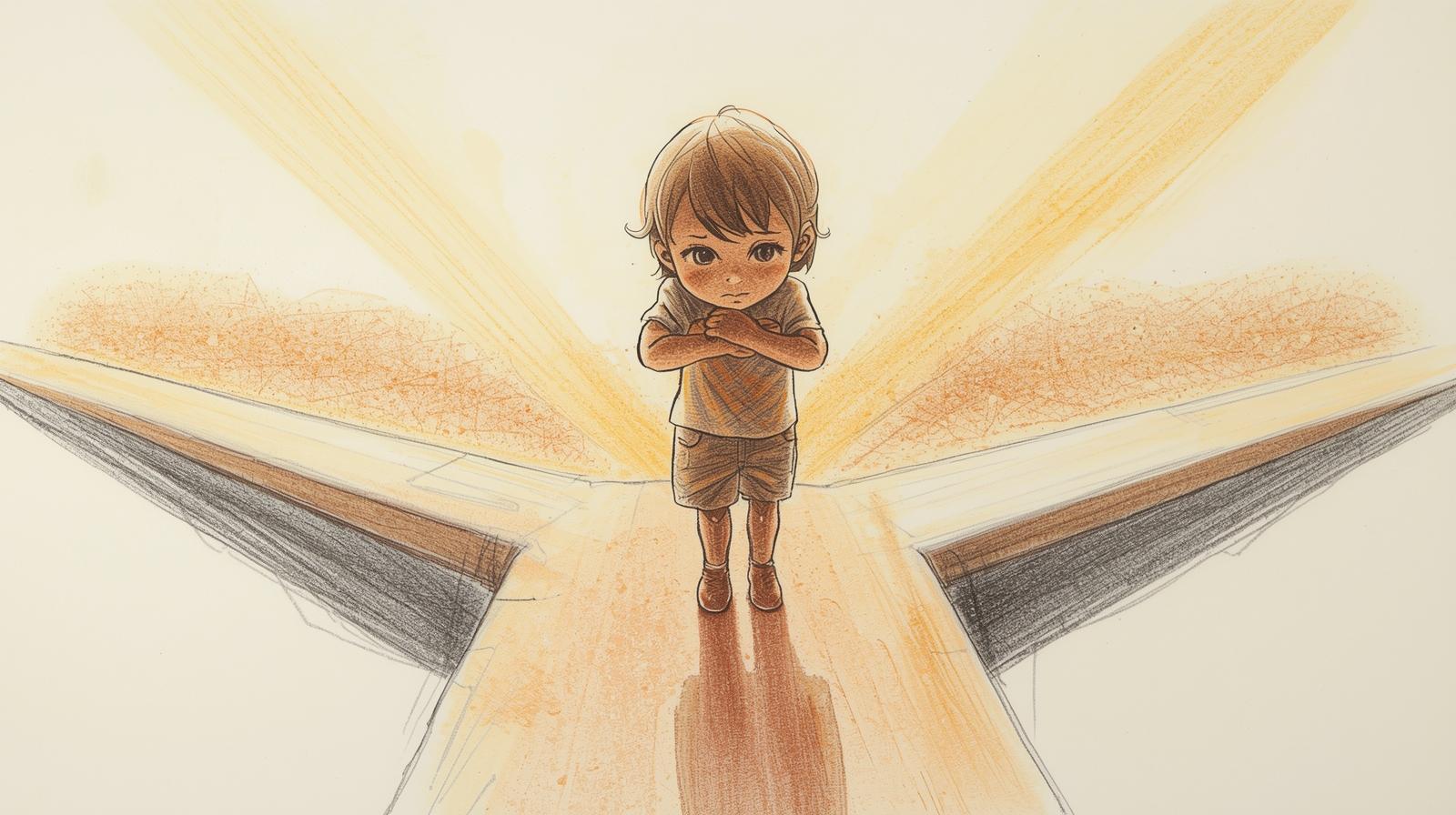
To understand why adults struggle so intensely with the need to be liked, we must return to childhood, where patterns of survival first take root. Human beings are born entirely dependent. A child’s nervous system is wired to seek proximity, warmth, and care from adults. When love and safety are consistent, the child learns that they can express emotions freely — joy, sadness, anger, even defiance — and still be accepted. This lays the groundwork for secure self-esteem.
But not all children grow up in environments that can hold their full emotional range. Some experience conditional affection: a parent who withdraws when the child is angry, a teacher who praises obedience but criticizes questioning, or caregivers who reward silence over self-expression. Even subtle cues — a disappointed sigh, a disapproving glance, a comparison to a “better-behaved” sibling — can leave a deep imprint. Over time, the child learns a dangerous equation: approval equals safety, disapproval equals threat.
This is not a conscious decision. It is a bodily imprint. Neuroscience reveals that social rejection activates the anterior cingulate cortex, the same brain region that processes physical pain (Eisenberger & Lieberman, 2004). A child who feels unloved or criticized experiences this as real pain — not metaphorical, not exaggerated, but neurologically equivalent to being hurt physically. To avoid this pain, the child develops strategies: be agreeable, be pleasant, anticipate others’ needs, erase parts of yourself that provoke disappointment.
Fast-forward into adulthood, and those strategies often remain. The adult may appear confident, competent, even admired, yet deep down they carry the same fear of rejection that shaped them decades earlier. What began as a survival tactic becomes a prison.
Case Study: Emma’s smile
Emma, a thirty-four-year-old teacher, is known among her colleagues for her warmth. She is the one who remembers birthdays, who volunteers for extra tasks, who always stays late to make sure everything is in order. Parents adore her, students flock to her, and administrators praise her as an asset to the school.
But Emma’s smile is more complicated than it looks. Behind closed doors, she feels depleted. Her evenings are spent not in rest but in worry, replaying interactions to make sure she didn’t disappoint anyone. When a colleague asks her for help, she says yes reflexively, even when she is exhausted. When her principal offers another project, she nods enthusiastically, though inside she feels like collapsing.
Emma fears that saying no will brand her as selfish, unreliable, or even unkind. She cannot bear the thought of being disliked — even slightly — and so she sacrifices her energy day after day. Her body is tense, her mind anxious, her weekends consumed by recovery. She is liked by many but known by few, including herself.
Emma’s story, though fictionalized, is not unusual. It illustrates the paradox of approval-seeking: the more we chase being liked, the less we feel truly connected. We may receive compliments, gratitude, and smiles, but none of it penetrates the loneliness of being unseen.

When likability becomes identity
For some, approval-seeking grows beyond habit into identity. By adulthood, many have internalized roles so deeply that they cannot distinguish where the performance ends and the self begins.
The “nice girl.” The “helpful one.” The “reliable team player.” These roles are rewarded repeatedly in workplaces, friendships, and families. Over time, the person begins to feel that deviating from these roles — saying no, showing anger, asserting needs — is not just risky but wrong. The role fuses with self-worth.
These identities come with unspoken rules. Always be agreeable. Never challenge authority. Suppress anger. Anticipate others’ needs. Avoid conflict at all costs. Smile even when it hurts.
The cost of such rules is authenticity. When likability becomes identity, the individual loses contact with their inner compass. They no longer ask, “What do I want?” but instead, “What will make others happy?” The authentic self — with its messy desires, complicated emotions, and inconvenient truths — is hidden away.
The paradox is sharp: the person may be surrounded by friends, colleagues, or family members who adore them, yet they feel profoundly lonely. Others are in love with the mask, not the person behind it. And deep down, the individual knows it.
The psychological toll of perpetual likability
The pursuit of being liked is not benign. It leaves deep marks on mental health, emotional regulation, and overall resilience.
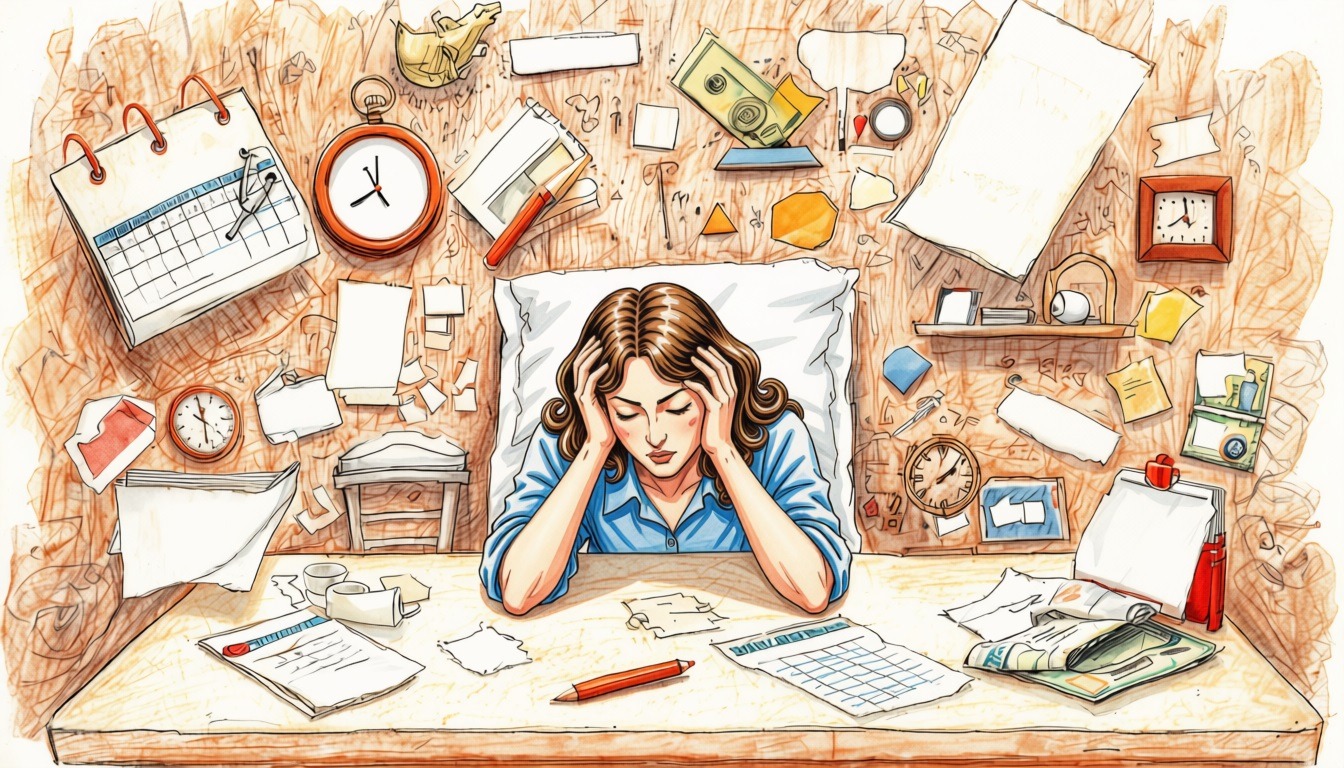
One of the most common consequences is anxiety. The approval-seeker constantly scans the environment for cues of disapproval. Did that text message sound cold? Did my comment annoy someone? Did I upset my partner by saying no? This hypervigilance keeps the nervous system on high alert, creating a baseline of tension that rarely eases.
Depression can also emerge. When authentic needs are silenced for too long, the psyche begins to collapse inward. The energy once used to maintain the performance of likability becomes exhaustion. Joy feels out of reach. Motivation fades.
Even physical health suffers. Suppressing emotions elevates cortisol levels, which are linked to heart disease, immune dysfunction, and chronic fatigue (Gross & Levenson, 1997). The very act of hiding anger or sadness — of smoothing out inner turbulence for the sake of outer harmony — quietly eats away at the body.
The approval-seeker may not notice the toll at first. They may appear energetic, cheerful, even thriving. But beneath the surface, their mental health slowly deteriorates. The unspoken cost of being liked is not only psychological — it is physiological.
The cultural expectations of likability
The demand for likability is not distributed equally. Gender, race, class, and cultural background all shape how much pressure an individual feels to be liked.
Women, for instance, are disproportionately expected to prioritize harmony. From girlhood, they are praised for being “sweet,” “helpful,” and “nice,” while boys are often excused for assertiveness or aggression. In adulthood, women who speak firmly are labeled “bossy” or “cold,” while men are admired for leadership. The pressure to be liked weighs more heavily on women because society punishes them more harshly for stepping outside it.
Racial dynamics complicate this further. People of color often feel pressured to overcompensate in predominantly white spaces, adopting a posture of likability to avoid being stereotyped as “angry,” “difficult,” or “threatening.” The emotional labor of constant self-monitoring becomes yet another hidden tax of systemic inequality.
Cultural orientation also matters. In collectivist societies, maintaining group harmony may be seen as a moral duty. In individualist cultures, assertiveness is more openly valued, yet even here, approval-seeking thrives — particularly in professional settings, where “being a team player” often means silencing dissent.
These dynamics reveal that likability is not just personal but political. The cost of being liked is entangled with social structures, making the courage to resist not only an individual act but a cultural one.
The existential and spiritual cost
Beyond psychology and culture lies an even deeper dimension: the existential. What does it mean to live a life shaped primarily by the desire to be liked?
Philosopher Søren Kierkegaard described despair as the condition of not being oneself. This is the essence of the approval trap. When your life is orchestrated to please others, you are living in disconnection from your true essence. The result is not simply stress but existential emptiness.
Writer bell hooks emphasized that authentic love requires truth, not performance. Approval is not love. To be liked for a mask is to remain unseen. To be praised for self-erasure is to be abandoned in plain sight.
Spiritually, the cost is silence. The inner voice — that quiet intuition that guides us toward purpose and meaning — becomes muffled. Instead of following its call, we follow the applause of others. Dreams are postponed, creativity is stifled, and life becomes a stage where we perform endlessly without ever stepping into our own role.
Why breaking the cycle feels impossible
If the costs are so high, why do so many stay trapped in the cycle of approval-seeking? The answer lies in both biology and society.
Biologically, approval delivers immediate relief. A compliment, a nod of agreement, or a smile triggers dopamine in the brain. The nervous system relaxes temporarily, confirming the illusion that safety has been secured. Like any addictive cycle, the relief fades quickly, leaving the person hungry for the next fix.
At the same time, the fear of disapproval feels catastrophic. For those conditioned in childhood to equate rejection with abandonment, risking disapproval feels life-threatening. Saying no, setting boundaries, or expressing anger does not just feel uncomfortable — it feels dangerous.
Society reinforces this fear. Workplaces often reward the agreeable over the assertive. Families rely on the peacemaker to keep conflict at bay. Friend groups may exclude those who stop playing the role of the “easy one.” To step out of the cycle is to risk not only internal fear but external consequences.
Breaking free requires not only inner work but a willingness to face societal backlash. It is no wonder that so many feel trapped.

The courage to be disliked
And yet, freedom is possible. Japanese authors Ichiro Kishimi and Fumitake Koga, in their book The Courage to Be Disliked, describe the radical liberation that comes when we stop living for others’ approval. This courage is not about rudeness or coldness. It is about authenticity — about choosing truth over performance, even when truth provokes disapproval.
The courage to be disliked often begins with small acts. Saying no to a request without apology. Expressing an opinion without softening it for likability. Allowing someone to feel disappointed without rushing to fix it. Each small act retrains the nervous system, teaching it that rejection is survivable.
Over time, this courage grows. It becomes the foundation for relationships that are rooted not in masks but in honesty. It becomes the soil where creativity flourishes, where self-respect deepens, where spiritual alignment becomes possible.
The courage to be disliked is not rebellion. It is freedom.
Pathways to healing
Healing from approval-seeking is not a single breakthrough but a gradual, layered process. It requires tending to both the mind and the body, the conscious beliefs and the unconscious imprints.
Therapy can be transformative. Schema therapy helps identify the core childhood beliefs — such as “I must be liked to be safe” — and replace them with healthier frameworks (Young, 2003). Somatic experiencing works with the body to release the frozen fear of rejection (Levine, 2010).
Mindfulness is equally important. By noticing the moment when the impulse to appease arises, mindfulness creates a pause — a space to choose authenticity rather than reflex. Self-compassion softens the inner critic that insists rejection is unbearable.
Journaling provides another tool. Writing about moments when you silenced yourself for approval reveals patterns. Over time, journaling helps clarify desires and boundaries that have long been buried under likability.
Healing is not linear. Some days feel empowering; others feel terrifying. But each act of authenticity strengthens resilience. Each refusal to perform brings you closer to a life that is lived, not staged.
The freedom beyond likability
The unspoken cost of always being liked is vast. It is paid in sleepless nights, anxious thoughts, suppressed emotions, and the quiet erosion of authenticity. It is carried in the body as tension, in the mind as worry, in the soul as silence.
But freedom is possible. To step away from the performance of likability is to step into authenticity. It is to discover relationships rooted in truth, not masks. It is to reclaim creativity, purpose, and spiritual alignment.
Being liked may bring fleeting comfort, but being real brings lasting peace.
Related posts You’ll love:
- The invisible grief of emotional breadcrumbing: Understanding a silent heartbreak
- The emotional tax of being “polite” in public: Why social niceness can cost You inner peace
- Why people apologize for their own sadness — and how to reclaim the right to feel
- The truth about why You cry at “little things”
- Why Women pretend NOT to be smart in relationships
- Truth without guilt: 10 practice corner exercises to stop feeling “mean” for being honest, with FREE PDF
- 30-day guide to stop basing Your worth on being chosen (and start feeling secure from within). FREE PDF!

Frequently Asked Questions (FAQ)
-
Why do I always want to be liked by everyone?
The constant desire to be liked often comes from childhood conditioning. When love or acceptance felt conditional, you may have learned to equate approval with safety. As an adult, this shows up as people-pleasing and a fear of rejection.
-
What are the dangers of always trying to please others?
Always prioritizing others’ approval can lead to anxiety, burnout, suppressed emotions, and even physical health issues. It also prevents authentic connections because relationships are built on performance rather than truth.
-
Is wanting to be liked a bad thing?
Wanting to be liked is human and natural. The problem arises when it becomes a compulsion that overrides authenticity and self-respect. Healthy relationships allow space for disagreement and honesty, not just likability.
-
How do I stop caring so much about being liked?
Begin with small steps. Notice when you silence yourself to avoid rejection. Practice saying no without apology. Therapy, mindfulness, and journaling can help you retrain your nervous system to tolerate disapproval and embrace authenticity.
-
Why is it so hard to say no?
Saying no often triggers old fears of rejection or abandonment. Many people associate boundaries with conflict or selfishness, especially if they were rewarded for compliance as children. Learning to say no is an essential part of healing from approval-seeking.
-
Can people still love me if I stop people-pleasing?
Yes. In fact, authentic love only thrives when you stop performing for approval. While some relationships may fade when you embrace authenticity, those that remain are deeper, stronger, and more aligned with who you truly are.
Sources and inspirations
- Afifi, W. A., & Guerrero, L. K. (2000). Motivations Underlying People’s Attempts to Avoid and Alleviate Hurt Feelings. Communication Research.
- Eisenberger, N. I., & Lieberman, M. D. (2004). Why rejection hurts: a common neural alarm system for physical and social pain. Trends in Cognitive Sciences.
- Gross, J. J., & Levenson, R. W. (1997). Hiding feelings: The acute effects of inhibiting negative and positive emotion. Journal of Abnormal Psychology.
- Hooks, Bell. (2000). All About Love: New Visions. New York: William Morrow.
- Kierkegaard, S. (1849/1989). The Sickness Unto Death. Princeton: Princeton University Press.
- Kishimi, I., & Koga, F. (2013). The Courage to Be Disliked. Tokyo: Diamond Inc.
- Levine, P. A. (2010). In an Unspoken Voice: How the Body Releases Trauma and Restores Goodness. Berkeley: North Atlantic Books.
- Lockwood, P. L. (2016). The anatomy of empathy: Vicarious experience and disorders of social cognition. Behavioural Brain Research.
- Young, J. E., Klosko, J. S., & Weishaar, M. E. (2003). Schema Therapy: A Practitioner’s Guide. New York: Guilford Press.


Leave a Reply