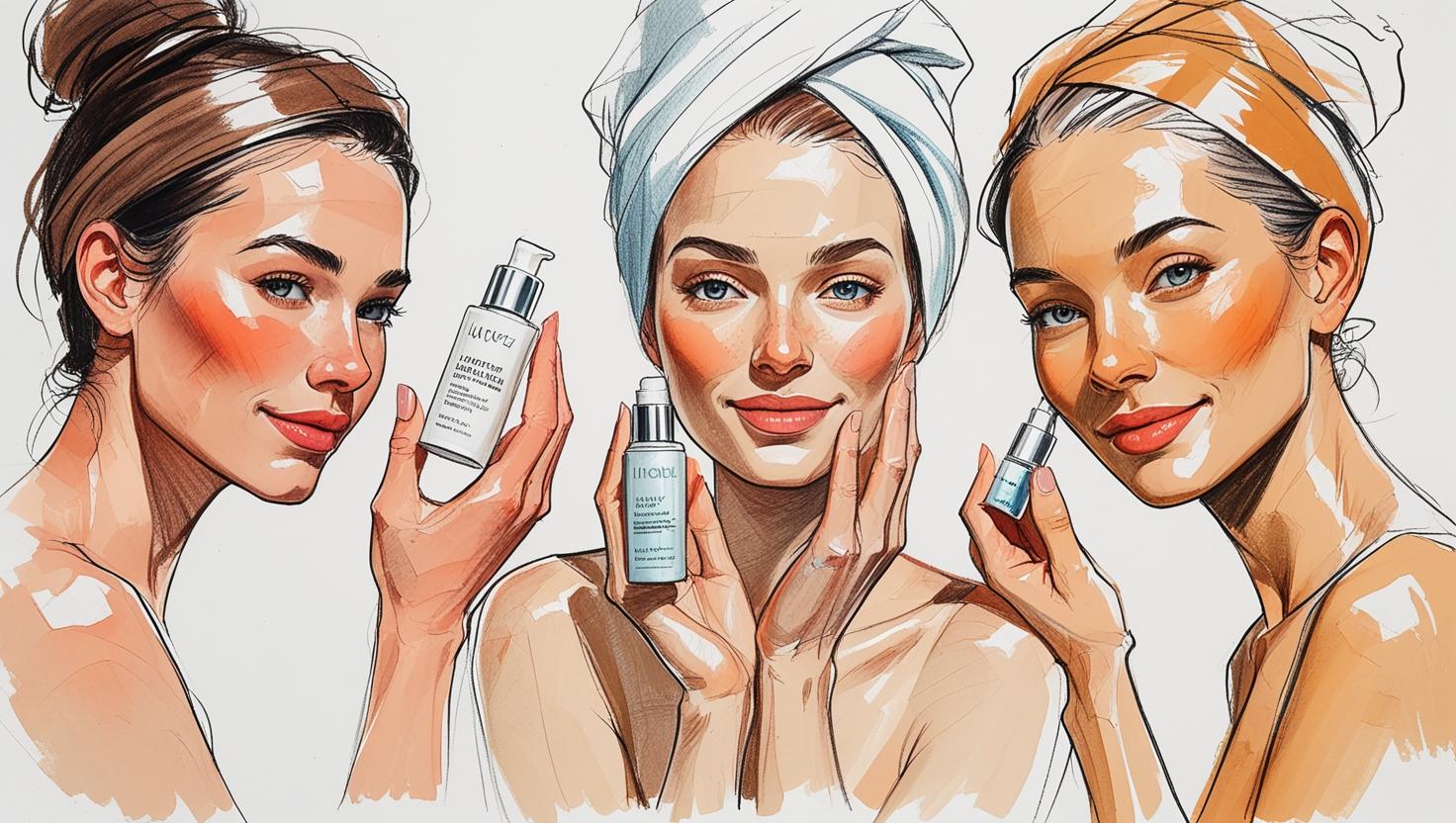
In a culture that often prizes speed, productivity, and flawless appearances, slowing down to care for your skin can feel like a quiet rebellion. Yet when done gently and intentionally, skincare becomes more than just a beauty practice — it becomes a ritual of self-love. Your skin is your largest organ, your body’s frontline protector, and its condition reflects not only your physical health but also the care and compassion you extend to yourself.
Gentle skincare is not about perfecting your face in the mirror; it’s about listening to your body, respecting its needs, and choosing kindness over criticism. This approach invites you to shift from “fixing flaws” to “nourishing what already exists.” In doing so, you give your skin — and yourself — the chance to heal, thrive, and glow from the inside out.
Why gentleness matters for Your emotional well-being
The way you treat your skin can directly influence your mental and emotional state. Harsh exfoliants, aggressive scrubbing, or constantly switching products can create a cycle of irritation and dissatisfaction — a physical manifestation of an inner narrative that you are never quite “enough.”
Gentle skincare offers a different message. Using soft motions, soothing textures, and nourishing formulas stimulates the parasympathetic nervous system — the “rest and restore” branch — which lowers stress hormones like cortisol. Research in psychodermatology, the field that studies the mind-skin connection, shows that high stress can weaken the skin barrier, slow healing, and trigger flare-ups of conditions such as eczema or acne (Denda, 2000; Kiecolt-Glaser, 2002). By choosing gentleness, you’re not just improving your complexion — you’re telling your body it is safe, supported, and worthy of care.
Learning to listen to Your skin
Every face carries a story. The freckles from summer afternoons, the fine lines from years of laughter, the occasional blemishes from sleepless nights — these are not imperfections but expressions of your life. Your skin responds to your environment, your nutrition, your stress levels, and even your emotions.
Learning to listen begins with mindful observation. Instead of immediately focusing on what you dislike, notice subtler cues. Does your skin feel tight after cleansing? Does redness appear after a certain meal or weather change? Do you notice dryness during stressful weeks? This kind of awareness allows you to respond to your skin’s needs in real time, rather than forcing it into a rigid, one-size-fits-all routine.
In many ways, this mirrors emotional self-care: you first need to recognize what you feel before you can respond with compassion.
Core principles of gentle skincare
A truly gentle routine rests on a few guiding principles that combine dermatological science with mindful living.
One principle is that less is often more. The skin has a remarkable ability to maintain its own balance when not overwhelmed by too many active ingredients at once. Constantly changing products or layering too many treatments can disrupt its natural equilibrium, much like overloading your mind with too many tasks can cause burnout. Simplifying your routine to a few well-chosen, high-quality essentials gives your skin time to respond and heal.
Another foundation of gentleness is respecting your skin’s pH balance. Healthy skin maintains a slightly acidic environment, around 4.5 to 5.5, known as the acid mantle. This protective layer keeps moisture in and harmful bacteria out. Using cleansers that are too alkaline can strip away natural oils and weaken this barrier, leading to dryness, sensitivity, and even breakouts (Proksch et al., 2008). A gentle cleanser that supports this pH allows your skin’s own defenses to function optimally.
Touch is also a crucial element. The way you apply your skincare products — with patience, slow movements, and mindful attention — can transform a routine into a therapeutic ritual. Gentle upward strokes and soft patting motions improve circulation without tugging at delicate skin. This kind of touch releases oxytocin, sometimes called the “bonding hormone,” which can foster feelings of safety and connection even when the touch comes from yourself.
Finally, gentleness means adapting to change. Your skin’s needs shift with seasons, hormone fluctuations, diet, and emotional states. Rather than clinging to a rigid formula, a gentle skincare philosophy stays flexible, adjusting to meet your skin where it is now.

Designing Your gentle skincare ritual
The first step in building a gentle routine is cleansing with kindness. Instead of scrubbing or using high-foaming products that can strip away the skin’s protective oils, choose a mild, sulfate-free cleanser. Use lukewarm water rather than hot, as excessive heat can damage the lipid barrier and lead to increased transepidermal water loss. Think of this step not as “removing dirt” but as releasing the day’s tension, preparing your skin for hydration.
After cleansing, hydration is key. At this stage, your skin is primed to absorb water-based products, so a hydrating toner or essence rich in humectants like glycerin or hyaluronic acid can be especially effective. Applying products while your skin is still slightly damp helps lock in that moisture. This isn’t just cosmetic; well-hydrated skin functions better as a barrier, defending you from environmental stressors.
The next stage is nourishment. A good moisturizer doesn’t just “seal in” hydration — it also provides lipids and nutrients that help repair and strengthen the skin barrier. Ingredients like ceramides, squalane, and natural plant oils mimic the skin’s own structure, supporting its ability to regenerate overnight. Applying your moisturizer slowly, with mindful movements, turns this functional step into a soothing ritual.
Lastly, protection is an act of love for your future self. Daily sunscreen application, even on cloudy days, shields your skin from UV damage that accelerates aging and increases the risk of skin cancer. Choosing a gentle, broad-spectrum formula ensures you’re protecting without irritating sensitive skin. Think of this as putting an invisible shield around yourself each morning, a way of telling the world: “I value myself enough to safeguard my health.”
Skincare as mindfulness practice
Gentle skincare has the power to quiet your mind because it demands that you slow down and focus on the present moment. As you cleanse, hydrate, and moisturize, you can pay attention to the scent of the products, the feeling of your fingertips against your skin, and the subtle changes in texture as the creams absorb.
This sensory awareness can be paired with self-affirmations. For instance, as you apply moisturizer, you might say softly, “I am worthy of care and patience.” This not only reinforces positive self-talk but also links these affirmations to the comforting sensations of your skincare routine, making them more powerful over time.
Some people create a more immersive experience by dimming the lights, lighting a candle, or playing gentle music while they perform their routine. These small rituals help signal to your nervous system that this is a time for slowing down, not for rushing through tasks.
The emotional power of gentle touch
There’s something deeply grounding about touching your own face with intention. Scientific research shows that soft, slow touch can activate C-tactile afferent fibers in the skin — nerve endings that send calming signals to the brain. This is one reason why a gentle facial massage can be so relaxing: it doesn’t just feel good; it actively soothes your nervous system.
For people who have experienced trauma or who struggle with body image, this kind of self-touch can be profoundly healing. It offers a way to reclaim the body as a safe and nurturing place, replacing critical thoughts with gestures of compassion.
Supporting Your skin from the inside out
Gentle skincare isn’t only about what you put on your skin; it’s also about how you nourish your body from within. Staying hydrated, eating a balanced diet rich in antioxidants, and including omega-3 fatty acids all support skin health. Vitamins such as C and E play important roles in collagen production and protection against oxidative stress.
Mental wellness also matters. Chronic stress can increase inflammation in the body, which can manifest in the skin. Practices like meditation or even mindful breathing can help regulate stress levels, allowing your skin’s natural healing processes to function more effectively.
Gentleness is not inaction
A gentle approach to skincare doesn’t mean ignoring problems or avoiding active solutions. If you notice persistent redness, breakouts, or discomfort, seeking the guidance of a dermatologist is an act of self-care. The goal is to respond to your skin’s needs with the least aggressive, most supportive interventions possible, not to leave issues unaddressed.
Making peace with change
Perhaps the most transformative lesson in gentle skincare is that skin — like life — is always changing. Seasonal shifts, hormonal cycles, stress, and age all influence its appearance. Rather than resisting these changes, self-love means embracing them as part of your evolving story.
When you stop chasing the impossible goal of “perfect skin” and instead focus on healthy, cared-for skin, you discover a deeper sense of peace. You stop seeing your reflection as a problem to solve and start seeing it as a person to love.
Your skin as a teacher of compassion
A gentle skincare routine is more than a sequence of steps. It’s a daily declaration that you are worth the time and tenderness it takes to nurture yourself. Each stroke of your hand, each moment spent caring for your skin, becomes a small but powerful act of kindness — one that teaches your mind and heart the value of gentleness.
Over time, you’ll find that the glow you notice in the mirror is not just from improved skin health. It’s from the quiet confidence that comes from knowing you are treating yourself with the same patience, respect, and care you would give to someone you deeply love.

Related posts You’ll love:
- Sound therapy at home: How music and healing frequencies can restore Your emotional balance
- The power of aromatherapy: Scents that soothe stress and promote love
- Start a candle meditation NOW: A gentle guide
- The ultimate evening routine for peaceful sleep and inner calm: science-backed habits to end Your day
- Beauty panic is political: Who benefits when Women feel “wrong” about their bodies?
- Stop treating Your face like a problem: Gentle 25 mantras for body trust, soft confidence, and real self compassion
- “Finance face” is pressure showing up: Evidence informed mantras for overworked Women who carry too much, too quietly
(FAQ) Frequently asked questions about gentle skincare routines
-
What is a gentle skincare routine?
A gentle skincare routine focuses on using mild, non-irritating products and soft application techniques to protect the skin’s natural barrier. Instead of harsh exfoliants or aggressive treatments, it prioritizes hydration, pH balance, and nourishment. This approach not only benefits your complexion but also encourages mindfulness and self-compassion.
-
How can gentle skincare help with self-love?
When you take time to care for your skin without judgment or rush, you’re practicing self-respect and acceptance. Gentle skincare creates moments of pause in your day, allowing you to connect with your body and appreciate it for what it is now. Over time, these consistent acts of kindness toward yourself can improve self-esteem and emotional well-being.
-
Can gentle skincare still be effective for acne-prone skin?
Yes. In fact, overly harsh products can sometimes worsen acne by damaging the skin barrier and increasing inflammation. A gentle routine with a mild cleanser, non-comedogenic moisturizer, and sunscreen can help acne-prone skin heal while minimizing irritation. You can add targeted treatments recommended by a dermatologist if needed.
-
How often should I exfoliate in a gentle skincare routine?
For most people, gentle exfoliation once or twice a week is enough. Over-exfoliating can strip your skin’s natural oils and lead to dryness or irritation. Opt for mild chemical exfoliants like lactic acid at low concentrations, or soft physical exfoliants with rounded particles if your skin tolerates them.
-
Can a gentle skincare routine replace professional treatments?
While a gentle routine is excellent for daily maintenance and prevention, professional treatments can still be valuable for addressing specific concerns like deep wrinkles, pigmentation, or severe acne. The key is to balance professional care with a supportive at-home regimen that protects and strengthens your skin between treatments.
-
Is gentle skincare suitable for all skin types?
Absolutely. Every skin type — whether oily, dry, sensitive, or combination — benefits from protection, hydration, and respect for its natural barrier. Gentle skincare is simply the foundation; you can adapt it with targeted products to meet your unique needs.
Sources and inspirations
- Denda, M., Tsuchiya, T., Elias, P. M., & Feingold, K. R. (2000). Stress alters cutaneous permeability barrier homeostasis. American Journal of Physiology-Regulatory, Integrative and Comparative Physiology.
- Proksch, E., Brandner, J. M., & Jensen, J. M. (2008). The skin: an indispensable barrier. Experimental Dermatology.
- Zouboulis, C. C., & Makrantonaki, E. (2011). Clinical aspects and molecular diagnostics of skin aging. Clinics in Dermatology.
- Kim, S. J., & Kim, H. (2018). Influence of mindful meditation on the skin barrier function. Journal of Dermatological Science.
- Loden, M. (2003). Role of topical emollients and moisturizers in the treatment of dry skin barrier disorders. American Journal of Clinical Dermatology.
- Kiecolt-Glaser, J. K., et al. (2002). Stress-related immune suppression in humans. Psychosomatic Medicine.
- Farage, M. A., Miller, K. W., Elsner, P., & Maibach, H. I. (2008). Intrinsic and extrinsic factors in skin ageing: a review. International Journal of Cosmetic Science.


Leave a Reply to Grace HarperCancel reply