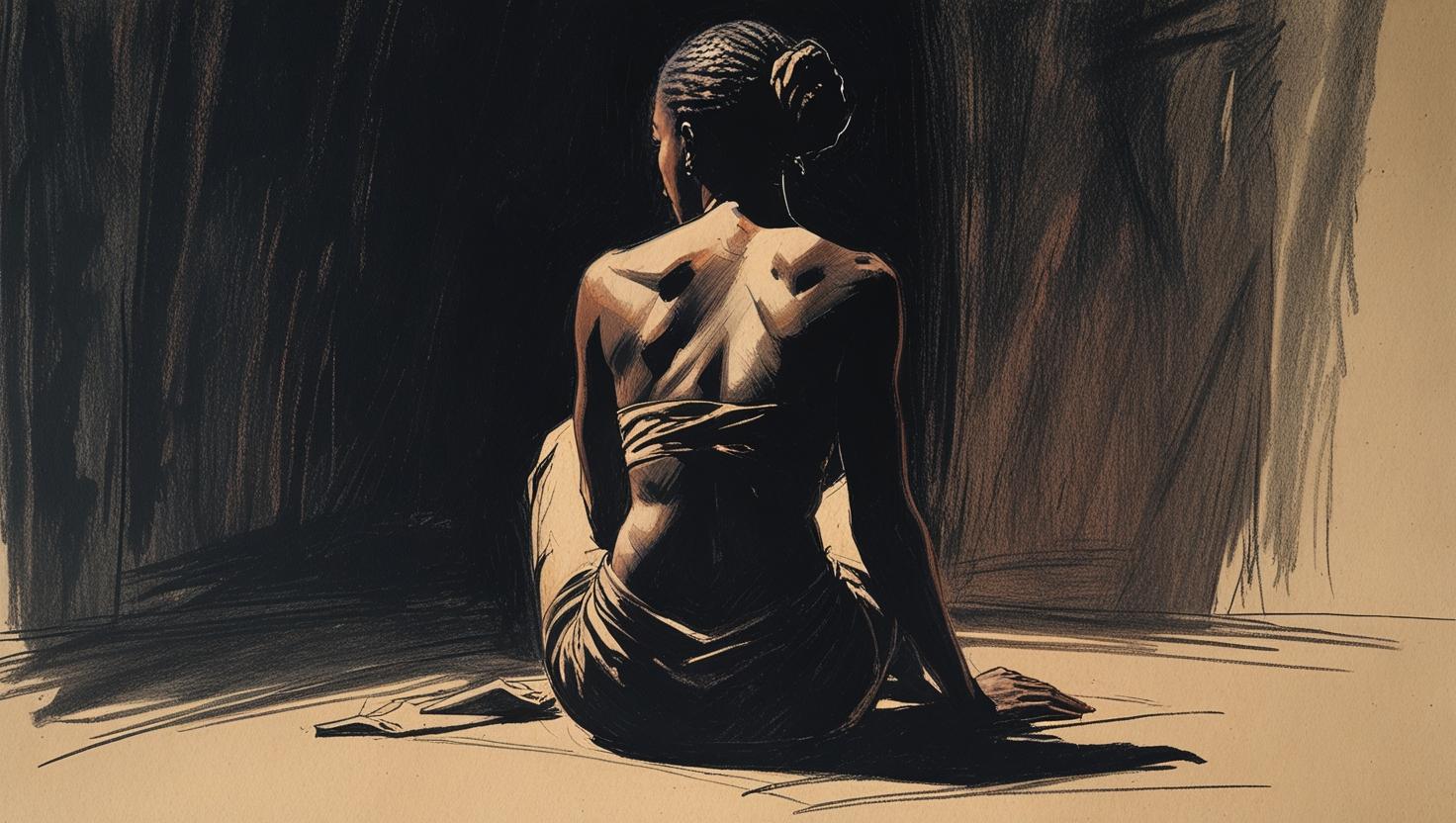
There are parts of ourselves we share freely with the world — the polished smiles, the curated stories, the carefully chosen words that help others see us in a certain light. And then there are the other parts, the ones that rarely leave the shadows. These are the unspoken fears, the emotions we learned to silence, the memories we keep tucked away like fragile glass in a locked cabinet.
Carl Jung, the Swiss psychiatrist who shaped much of modern depth psychology, called these hidden aspects the shadow self. He believed that we all have parts of ourselves that we push out of conscious awareness because they feel unacceptable, dangerous, or simply too vulnerable to show. But here’s the thing — ignoring these parts doesn’t make them disappear. Instead, they tend to influence our thoughts, behaviors, and relationships in ways we don’t always recognize.
Shadow work, at its heart, is about turning toward those hidden places with curiosity rather than fear. It’s a process of listening to the voices we’ve silenced, feeling the emotions we’ve numbed, and making space for the parts of ourselves we’ve long believed were unworthy of love. Far from being an act of self-punishment, it’s an act of liberation.
Understanding the shadow self
To understand shadow work, it helps to start with what the “shadow” really is. Jung described the shadow as the side of the psyche that holds everything we reject or deny about ourselves. Sometimes this includes traits we label as “negative,” like anger, envy, or selfishness. But surprisingly often, our shadow also hides qualities that are deeply positive — passions, ambitions, or strengths that, for one reason or another, we learned were unsafe to express.
Think of a child who grew up in a home where crying was seen as weakness. That child may have learned to shut down all expressions of sadness, not because they lacked emotion, but because emotion was met with criticism. Or imagine a teenager whose natural confidence was dismissed as arrogance. Over time, they might shrink themselves, hiding their ability to lead or speak up. Even joy can be pushed into the shadows if it was once met with ridicule.
The shadow is not a villain lurking in the depths of the mind. It is, more often than not, a wounded ally — a collection of parts that learned to hide to keep you safe in a world that didn’t always know how to handle your fullness. But when these parts remain buried, they don’t simply vanish. They can show up in indirect ways — through sudden anger that feels disproportionate to the situation, through patterns in relationships that keep repeating, or through a persistent sense that something in life feels incomplete, even if everything looks “fine” on the outside.
Why we hide parts of ourselves
Hiding parts of ourselves is often an act of survival. As children, we quickly learn which emotions or behaviors win us approval and which bring criticism, punishment, or withdrawal of love. We adapt accordingly, suppressing what seems unacceptable to maintain connection with caregivers and to feel safe in our environment.
In many cultures, this process is reinforced by societal expectations. A boy who shows tenderness might be told to “man up.” A girl who expresses anger may be labeled as “difficult” or “unladylike.” Over time, these messages teach us that certain traits are off-limits if we want to belong. We become experts at self-editing, trimming away the parts of ourselves that don’t fit the mold we were given.
Trauma can deepen this split. When someone experiences intense pain, especially in formative years, the brain may tuck away the emotions, memories, and even physical sensations linked to that pain. This isn’t weakness — it’s a protective strategy. But what once kept us safe can, in adulthood, leave us feeling disconnected from who we truly are.
The tragedy of hiding our shadow is that it doesn’t just keep the “negative” away; it also buries our light. Alongside the shame or fear we’ve hidden are qualities like creativity, sensuality, assertiveness, and playfulness. Without them, we may feel strangely flat, as if living in black and white when our soul longs for full color.

The emotional and mental benefits of shadow work
When you begin to face your shadow, you’re not opening a door to chaos — you’re opening a door to wholeness. One of the first shifts many people notice is a deepened self-awareness. Suddenly, moments of irritation or jealousy make more sense because you can trace them back to the hidden parts that feel threatened or unheard. Instead of seeing these reactions as random flaws, you begin to understand them as messages from within.
This understanding can transform relationships. When we deny our shadow, we often project it onto others — criticizing in them what we can’t accept in ourselves. For example, someone who hides their own ambition might resent others for being “too driven.” Shadow work helps dissolve these projections, making space for more honest, compassionate connections.
Authenticity is another profound benefit. The more you accept your hidden parts, the less energy you spend performing a version of yourself for the world. You become freer to speak your truth, set boundaries, and express the full range of your humanity.
There is also a surprising increase in emotional resilience. When you’re no longer running from uncomfortable emotions, you learn you can handle them. Anger, sadness, and fear lose their power to overwhelm because you’ve built a relationship with them. They’re no longer strangers — they’re parts of you that you’ve come to know.
In the long term, shadow work can lead to a sense of integration — a feeling that all the pieces of you, even the ones you once wished away, belong together in the same home.
Signs You might be ready to begin
Shadow work doesn’t require a dramatic breaking point. Many people feel the pull toward it simply because they sense there’s more to life than the version they’re currently living. You might notice that you keep getting caught in the same arguments, even with different people. Perhaps you feel a gap between how you present yourself and how you feel inside, or you find certain emotions bubbling up unexpectedly and with surprising force.
For others, readiness comes from curiosity. You might start to wonder why certain traits in others bother you so much, or why specific situations trigger a strong emotional reaction. These moments of questioning are like small invitations from your inner world, asking you to look closer.
The truth is, readiness is less about having everything in place and more about being willing to approach yourself with compassion. Shadow work isn’t about forcing change — it’s about allowing a conversation with the parts of you that have been silent for too long.
Common challenges along the way
While shadow work is deeply rewarding, it’s not without challenges. One of the most common is self-judgment. As you uncover traits or memories you’ve kept hidden, you might feel a wave of shame or guilt. This is natural — after all, these are the very feelings that caused you to hide those parts in the first place. The key is to remember that having a shadow doesn’t make you flawed; it makes you human.
Another challenge is resistance. The mind is skilled at distraction, and when uncomfortable truths begin to surface, you may suddenly find yourself avoiding reflection in favor of busyness. This resistance isn’t a sign of failure — it’s a sign that you’re entering territory that matters.
Overwhelm can also occur, especially if the shadow holds old wounds. In these moments, it’s important to move at a pace that feels safe, allowing yourself to pause and ground before continuing. Shadow work is a lifelong practice, not a race to be won.
When professional support makes a difference
Some shadows are tender enough to explore alone, while others are tangled with deep trauma. If your journey stirs memories that are hard to process or emotions that feel too intense, working with a therapist can make the difference between feeling lost in the dark and walking through it with a trusted guide.
Therapists trained in Jungian analysis, trauma-informed care, or somatic therapy can offer tools to navigate this inner terrain safely. They can also help you recognize when what you’re experiencing is a normal part of integration and when it might require additional support.
A reminder about self-compassion
If there’s one truth to carry with you through this process, it’s that your shadow is not your enemy. The parts you’ve hidden were often born from love — love for survival, love for belonging, love for staying safe. Meeting them with harshness only pushes them deeper into hiding.
Self-compassion is the bridge between knowing your shadow and embracing it. That means speaking to yourself the way you would speak to a dear friend who’s finally sharing something vulnerable. It means allowing space for both discomfort and grace. Over time, the walls between your “acceptable” self and your shadow begin to soften, and what emerges is not a perfect person, but a whole one.
Embracing Your full self
Shadow work is not about erasing the dark; it’s about understanding it. It’s the recognition that the parts we’ve hidden away are not stains on our character but chapters of our story. By turning toward them, we stop living in fragments. We reclaim the passions, strengths, and emotions we thought were lost, and we weave them back into the fabric of who we are.
The journey is not always easy, but it is profoundly human. And in the end, shadow work doesn’t just change how you see yourself — it changes how you move through the world. You become more rooted, more compassionate, and more free. The light feels different when you’ve made peace with the dark.

Related posts You’ll love:
- Shadow work: 6 exercises for deep self-healing and personal transformation
- Why You feel drained after socializing (even when it’s FUN): Understanding social exhaustion
- The art of doing nothing: How resting Your mind boosts mental health
- Why slowing down is the most productive thing You can do
- The science of micro-moments of joy and how to notice them
- How to stop hating yourself on social media: 7 ways to build self-love in a world of constant comparison
- Practice corner: Daily exercises to heal the shadow side of jealousy (without shaming Yourself)
- Words of power to befriend Your shadow self: How language can heal what You hide
FAQ about shadow work for beginners
-
What is shadow work in simple terms?
Shadow work is the process of exploring the parts of yourself you’ve hidden or suppressed, often due to past experiences, cultural expectations, or fear of rejection. It’s about gently bringing these hidden traits, emotions, and memories into the light so you can understand and integrate them, leading to greater self-awareness and emotional healing.
-
Is shadow work dangerous for beginners?
Shadow work is not inherently dangerous, but it can be emotionally intense. For beginners, it’s important to approach the process slowly and with self-compassion. If you uncover painful memories or trauma, working with a therapist can provide the safety and guidance you need to process these experiences without becoming overwhelmed.
-
How do I know if I’m ready for shadow work?
You might be ready for shadow work if you feel stuck in recurring emotional patterns, notice strong reactions to certain people or situations, or sense there’s more to yourself than you currently express. Readiness is less about being fully “prepared” and more about being willing to meet yourself with honesty and compassion.
-
Can shadow work help with anxiety or depression?
While shadow work is not a replacement for professional mental health treatment, it can complement therapy by addressing hidden emotional wounds and unconscious patterns. By understanding the root causes of certain feelings, many people find a reduction in emotional triggers and an increase in self-acceptance.
-
How long does shadow work take to see results?
Shadow work is a lifelong process, not a quick fix. Some people notice shifts in self-awareness and emotional responses within weeks, while deeper integration can take months or years. The key is to focus on progress, not perfection, and to celebrate even small moments of insight.
-
Can I do shadow work without a therapist?
Yes, many people start shadow work on their own through self-reflection, journaling, and mindfulness. However, if you encounter intense emotions, unresolved trauma, or feel unsafe with what comes up, a therapist trained in trauma-informed care or Jungian psychology can provide valuable support.
-
What happens if I ignore my shadow self?
Ignoring your shadow doesn’t make it disappear — it often shows up in unconscious ways, such as projecting traits onto others, repeating unhealthy relationship patterns, or experiencing sudden emotional outbursts. Shadow work helps bring these hidden parts into awareness so you can respond consciously rather than react automatically.
-
Is shadow work the same as inner child work?
They are related but not the same. Shadow work focuses on all hidden aspects of the self, including repressed emotions, traits, and desires. Inner child work specifically addresses the wounded parts of yourself from childhood and the unmet needs that may still influence your adult life.
-
Does shadow work have spiritual benefits?
Yes. Many people find that shadow work deepens their spiritual journey by fostering authenticity, self-acceptance, and a greater sense of inner peace. By integrating both your light and shadow, you move toward a more whole and balanced self.
-
What’s the most important thing to remember as a beginner?
The most important thing is to be gentle with yourself. Shadow work is not about judging or fixing yourself — it’s about meeting all parts of you with understanding. Move at your own pace, and know that every step toward self-awareness is a step toward wholeness.
Sources and inspirations
- Jung, C.G. (1959). Aion: Researches into the Phenomenology of the Self. Princeton University Press.
- Ford, D.L. (2018). Dark Side of the Light Chasers: Reclaiming Your Power, Creativity, Brilliance, and Dreams. HarperOne.
- Zweig, C., & Wolf, S. (1997). Meeting the Shadow: The Hidden Power of the Dark Side of Human Nature. Jeremy P. Tarcher/Putnam.
- Neff, K.D. (2011). Self-Compassion: The Proven Power of Being Kind to Yourself. William Morrow.
- Siegel, D.J. (2020). The Power of Showing Up: How Parental Presence Shapes Who Our Kids Become and How Their Brains Get Wired. Ballantine Books.
- Johnson, R.A. (1993). Owning Your Own Shadow: Understanding the Dark Side of the Psyche. HarperSanFrancisco.
- Brown, B. (2012). Daring Greatly: How the Courage to Be Vulnerable Transforms the Way We Live, Love, Parent, and Lead. Avery.




Leave a Reply