
Table of Contents
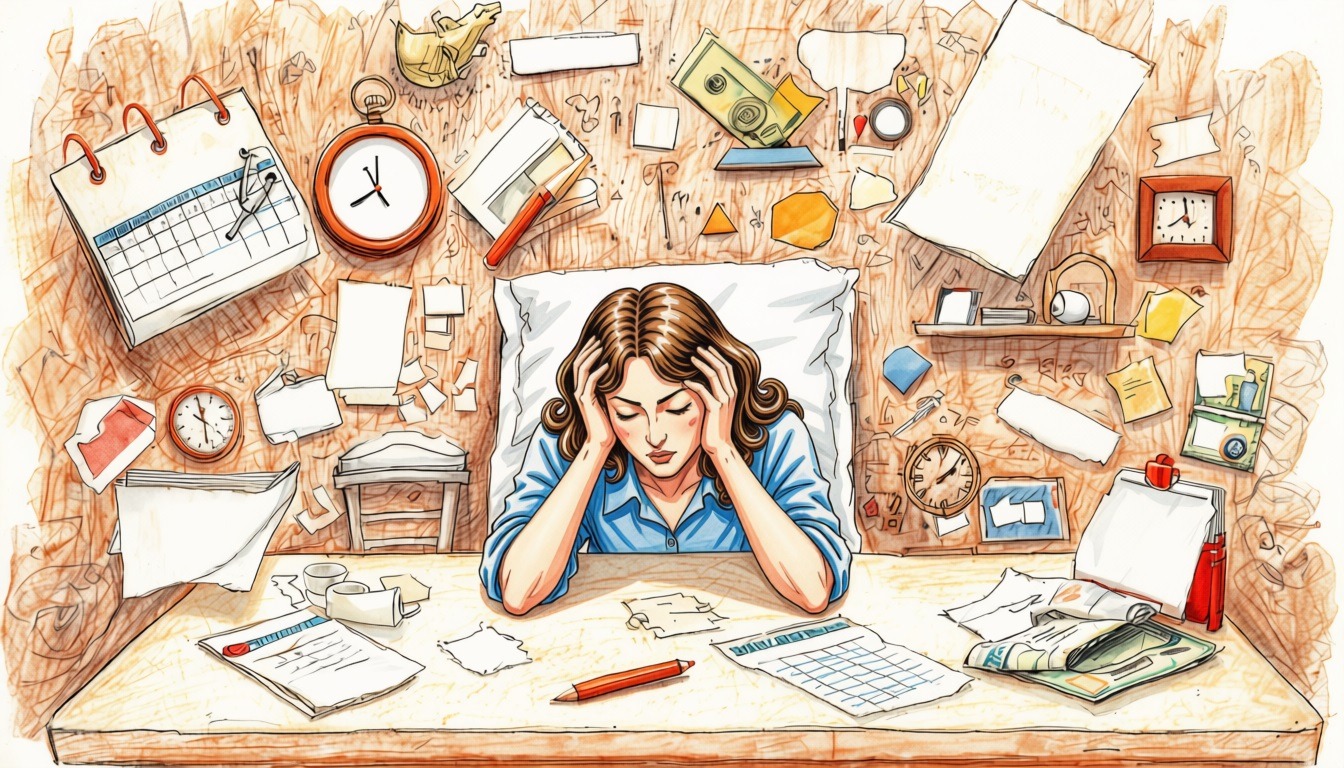
Rest has always been one of humanity’s most essential needs, yet in our modern world it has somehow turned into a luxury. We live in an era that glorifies productivity, busyness, and the ability to “push through,” even when our bodies and minds are sending every possible signal that we need a pause.
Amid this cultural obsession with doing more, faster, and better, the simple act of taking a nap has fallen into a category of behaviors people often associate with laziness, indulgence, or even weakness. But science, history, and lived experience all tell us something different: naps are not only natural, they are profoundly restorative, and reclaiming them can change the way we think, feel, and function.
This article explores the forgotten power of naps, why they matter more than ever, and how you can learn to rest without guilt. By the end, you might not only understand naps as a scientifically supported practice, but also as a doorway into a healthier relationship with your body, your time, and yourself.
Why Our culture teaches Us to feel guilty about napping
If you’ve ever woken up from a midday nap and immediately felt the need to apologize, you are not alone. Many people carry guilt after resting, as though sleep is something that should be confined strictly to nighttime. This guilt doesn’t come from nature—it comes from culture. In many Western societies, the dominant values of productivity and hustle culture equate constant activity with worth. To stop, to close your eyes, or to withdraw for even twenty minutes in the middle of the day often gets framed as a lack of discipline or ambition.
This attitude has deep historical roots. The Industrial Revolution brought about rigid work schedules designed around machinery rather than human bodies. With the rise of the factory system, breaks and rest periods shrank while output became the measure of value. Over time, these values were absorbed into modern work culture and even into our personal sense of identity. People began to equate resting with laziness, even though our biology tells a different story.
Interestingly, not every culture shares this perspective. In Spain and many Latin American countries, the siesta tradition honors the body’s natural rhythms by encouraging an afternoon rest. In Japan, “inemuri”—literally translated as “sleeping while present”—is seen as a sign of dedication, suggesting that a person is working so hard that they simply must close their eyes briefly. Anthropologists have found evidence that in pre-industrial societies, humans often slept in multiple segments throughout the day and night. This suggests that our rigid expectation of one long nocturnal sleep is more a cultural invention than a biological rule.
Understanding these cultural biases is the first step in dismantling guilt. When you nap, you are not doing something wrong or wasteful. You are honoring your body’s natural cycles in a world that has forgotten how to respect them.
The science of napping: What really happens in the brain and body
When you nap, you’re not just “shutting off.” Sleep is a highly active process that allows your brain and body to restore themselves. During even short naps, the brain goes through stages of light sleep that help consolidate memories, reduce stress hormones, and refresh cognitive functions.
Research from NASA, often cited in discussions about napping, found that a 26-minute nap improved pilots’ alertness by 54% and performance by 34%. Another study published in Sleep showed that naps can enhance learning, memory, and creative problem-solving. The brain uses naps as an opportunity to clear metabolic waste, rebalance neurotransmitters, and strengthen neural connections. In other words, when you nap, you are literally rewiring your brain for better performance.
On a physical level, naps help regulate blood pressure, reduce cortisol levels, and improve immune function. They also balance mood, which is why a short nap often leaves people feeling more emotionally resilient and less irritable. In fact, napping can act as a powerful buffer against the negative effects of sleep deprivation, which has been linked to everything from heart disease to impaired judgment.
The length of the nap determines its benefits. Short naps of around 10–20 minutes provide a quick burst of alertness without leaving you groggy. Longer naps of 60–90 minutes allow for entry into deeper sleep stages, which support emotional processing and creativity. However, they can also trigger “sleep inertia”—that heavy, foggy feeling upon waking—if the timing isn’t right. This doesn’t mean longer naps are bad; it simply means they need to be approached with awareness of timing and purpose.
The emotional impact of napping: Why rest feels like self-love
While science provides clear evidence for the physiological benefits of naps, their emotional significance is equally profound. Choosing to nap is a radical act of self-compassion in a world that tells you to keep pushing. It is a way of listening to your body and saying, “I hear you. I value your needs.” That shift in perspective transforms naps from something indulgent into something deeply empowering.
Naps remind us that we are not machines. They reconnect us with our human rhythms and limitations. For those struggling with anxiety, depression, or burnout, naps can offer a pause that resets the emotional system. By reducing cortisol and restoring balance to neurotransmitters like serotonin and dopamine, naps contribute to emotional stability. People often report waking from naps with a new sense of clarity or a fresh perspective on challenges.
Beyond biology, naps help heal our relationship with productivity. They invite us to question the relentless pace of modern life and to remember that rest is not a reward we must earn, but a right we already have. When you nap without guilt, you practice self-love in one of its most tangible forms.
How to nap without guilt: Reframing rest as a form of strength
The hardest part about napping is often not the nap itself but the mental chatter that surrounds it. Many people lie down to rest only to be flooded with thoughts like, “I should be doing something else,” or, “This is wasting time.” To nap without guilt requires a shift in mindset.
Start by reframing naps as investments rather than expenses. Just as you wouldn’t feel guilty about charging your phone battery, you shouldn’t feel guilty about recharging yourself. The energy and clarity you gain will ripple into every task that follows, often making you more efficient and effective.
It can also help to create rituals around napping. Setting an intention, such as “I am giving myself permission to rest so I can return with renewed energy,” reframes the nap as purposeful rather than lazy. Designating a comfortable and quiet space, even if it’s just a couch corner or a reclined chair, signals to your body that this is a safe and intentional pause.
Another useful practice is to keep naps short when possible. Knowing that a nap will last only 20–30 minutes can reduce the anxiety of “losing the whole day.” For those who struggle with guilt, shorter naps can be easier to justify, even though longer naps also carry their own unique benefits.
Finally, remind yourself of the science. Each time guilt surfaces, remember that research consistently shows naps improve performance, health, and emotional resilience. You are not being lazy—you are practicing a form of evidence-based self-care.

A global history of napping traditions
The nap is not a new invention of modern wellness culture—it is as old as humanity itself. In fact, many cultures across the world have long honored napping as a necessary part of daily life. Looking at these traditions can help us recognize how natural it is to pause and rest.
In Spain and many Latin American countries, the siesta is both a cultural and biological practice. Traditionally, shops close in the early afternoon, and people retreat home for food and rest before returning to their activities. The hot climate makes this practice particularly sensible, as it aligns with the body’s dip in energy and the environment’s demands.
In Japan, the practice of inemuri allows people to sleep briefly in public spaces such as trains, offices, or even meetings. Far from being frowned upon, it is seen as evidence of dedication to work, a sign that someone has worked so hard they simply needed to rest on the spot. This stands in contrast to Western ideals that stigmatize resting at work.
In Mediterranean and Middle Eastern regions, midday rests have long been part of daily rhythms, adapted to climate, food habits, and community patterns. Anthropologists studying pre-industrial societies also discovered that humans naturally engaged in biphasic sleep—two main sleep periods, one at night and one in the afternoon—rather than the single consolidated eight-hour block that dominates modern Western norms.
By reconnecting with these global perspectives, we realize that naps are not an oddity but a shared human heritage. They represent not indulgence, but alignment with the rhythms of nature.
Naps and creativity: Why artists and innovators loved to sleep midday
Napping has a secret reputation in creative circles. Many of history’s greatest thinkers and artists have credited naps with unlocking breakthroughs. Salvador Dalí famously used what he called the “slumber with a key” technique: he would nap while holding a key in his hand, and as soon as he fell into the early stages of sleep, the key would drop and wake him. The dreamlike images that surfaced during these naps fueled his surrealist paintings.
Thomas Edison, though known for claiming he disliked sleep, actually used power naps throughout the day to recharge his mind. Albert Einstein also valued naps, reportedly sleeping up to ten hours a night with additional daytime rests to sustain his deep thinking.
Modern neuroscience confirms what these visionaries intuited. Naps enhance divergent thinking—the ability to see multiple solutions to a problem. They also strengthen associative memory, helping the brain connect seemingly unrelated ideas. This makes naps particularly powerful for artists, writers, entrepreneurs, and anyone engaged in problem-solving.
When we nap, our brain shifts into states that favor creativity. Dreamlike imagery, free-flowing associations, and reduced inhibition all emerge in light sleep. This is why people often wake from naps with insights or fresh perspectives. In a way, naps are a natural form of brainstorming, but instead of forcing the mind to work harder, we allow it to rest and reorganize itself.
Types of naps and how they support You
Although all naps are beneficial, not all naps are created equal. Different types of naps serve different purposes, and understanding them can help you choose the right nap for your needs.
The power nap is the classic short nap lasting 10 to 20 minutes. Its purpose is to boost alertness and energy without diving into deep sleep stages. Because it avoids slow-wave sleep, it prevents grogginess and provides a quick mental reset.
The recovery nap is longer, usually around 90 minutes, and is designed to make up for lost nighttime sleep. These naps allow you to move through a full sleep cycle, including REM sleep, which restores both body and mind.
The creative nap often lasts 30 to 60 minutes and allows you to dip into deeper sleep stages where memory consolidation and dreamlike processing occur. This nap is particularly useful for artists, writers, and problem-solvers.
Finally, there is the coffee nap, a hybrid technique where you drink coffee just before a short nap. The caffeine kicks in about 20 minutes later, just as you wake up, combining the refreshing effects of both sleep and caffeine. While not for everyone, some people find it highly effective for boosting performance.
By learning to tailor your naps to your needs, you transform them from random indulgences into intentional tools for health and creativity.
Napping as part of a calm lifestyle
Naps are not isolated acts; they are part of a broader philosophy of calm living. A calm life honors balance, listening, and gentleness toward oneself. Integrating naps into your routine can be a stepping stone toward this lifestyle. When you allow yourself to rest, you naturally begin to question other areas of life where you push yourself too hard or deny your own needs.
Some people find that scheduling naps at the same time each day, often in the early afternoon when the body naturally dips in energy, helps create consistency. Others prefer flexibility, allowing naps to emerge intuitively as needed. Both approaches are valid, as long as the act of napping aligns with self-compassion rather than self-criticism.
Naps also complement other calming practices such as meditation, breathwork, or gentle stretching. In fact, many people find that a short meditation before a nap helps quiet the mind, while a stretch afterward eases the transition back to wakefulness. This combination reinforces the idea that rest is a holistic practice, not a guilty interruption.
Healing through naps: Restoring what hustle culture took away
Perhaps the deepest benefit of naps lies in their power to heal the disconnection many of us feel from our own bodies. In a culture that tells us to override fatigue, hunger, and even pain in the name of achievement, naps reintroduce us to the simple act of listening. They are a way of reclaiming something hustle culture has stolen: the right to rest without apology.
For people healing from burnout, trauma, or chronic stress, naps can be a gentle first step in rebuilding trust with their bodies. Each nap communicates, “Your needs matter. I will honor them.” Over time, this consistent act of honoring the body rewires not just physiology but also self-perception. You begin to see yourself not as a machine to be optimized but as a human being deserving of care.
This healing perspective is particularly important in the realm of self-love. Naps can teach us to soften the inner critic, to challenge the voice that says we must always be “on.” By choosing to nap, you choose to resist that voice, replacing it with one of compassion and respect.

Reclaiming the nap as a path to calm and self-love
The forgotten power of naps lies not only in their measurable benefits but in their symbolic ones. They remind us that slowing down is not failure, that listening to the body is not weakness, and that rest is not indulgence but necessity. By napping without guilt, we step into a calmer, more compassionate relationship with ourselves.
When you next feel the pull of fatigue in the afternoon, imagine not the stigma but the science. Imagine the long history of humans who rested in harmony with their rhythms. Imagine the version of yourself who honors needs instead of dismissing them. Then close your eyes, let go of guilt, and embrace the nap as a quiet revolution—one small act of defiance against a world that forgot the value of rest.
Related posts You’ll love:
- The secret to finding silence in noisy cities
- Why washing dishes can be a mindful ritual: Turning a daily chore into a path to inner calm
- The transformative power of humming (yes, humming): A deep dive into an ancient yet overlooked practice
- Why Your body holds stress (and 7 unconventional ways to release it naturally)
- Why You wake up at 3AM (and what it really means for Your body, mind, and spirit)
- Looksmaxxing, sleepmaxxing, everythingmaxxing: Why “maxxing” culture steals Your peace (and how to get it back without quitting growth)
- Lofi vs white noise: The surprising winner for calm, focus, and sleep [2026 guide with FREE PDF!]
FAQ: The forgotten power of naps
-
Are naps actually good for you?
Yes, naps are scientifically proven to be good for both body and mind. Studies show that short naps improve memory, mood, alertness, and even heart health. Far from being lazy, napping supports productivity and emotional well-being.
-
How long should a nap be?
The ideal nap length depends on your goal. A power nap of 10–20 minutes boosts energy without grogginess. A 60–90 minute nap allows a full sleep cycle, which helps with creativity and emotional processing.
-
Is it unhealthy to nap every day?
Daily naps are generally healthy if they are intentional and not a result of poor nighttime sleep. Regular napping can improve heart function, reduce stress, and increase focus. However, if you feel the need to nap excessively, it may signal an underlying sleep issue worth discussing with a doctor.
-
Why do I feel guilty after taking a nap?
Many people feel guilty because of cultural beliefs that equate rest with laziness. In reality, naps are part of our natural biology. Reframing naps as self-care rather than wasted time can help reduce guilt.
-
Can naps replace a full night’s sleep?
Naps cannot fully replace a full night of sleep, but they can partially make up for sleep loss. A recovery nap of 90 minutes can help restore alertness after a poor night, but consistent quality nighttime sleep remains essential.
-
Do naps help with anxiety or stress?
Yes, naps lower cortisol (the stress hormone) and rebalance neurotransmitters linked to mood regulation. Many people feel calmer, more emotionally stable, and less anxious after a short rest.
-
What is the best time of day to nap?
The best time is typically in the early afternoon (between 1 p.m. and 3 p.m.), when the body naturally experiences an energy dip. Napping too late in the day may interfere with nighttime sleep.
-
What is a coffee nap?
A coffee nap is when you drink coffee right before taking a 15–20 minute nap. By the time you wake up, the caffeine starts to take effect, combining the benefits of rest with increased alertness.
-
Do successful people nap?
Yes. Many innovators, including Albert Einstein, Salvador Dalí, and Thomas Edison, famously used naps to boost creativity and performance. Modern companies like Google and NASA also encourage napping for productivity.
-
How can I nap without feeling lazy?
You can nap without guilt by reframing it as an act of self-care and productivity. Set an intention before lying down, keep naps short when needed, and remind yourself that science shows napping makes you healthier, calmer, and more focused.
Sources and inspirations
- American Psychological Association. (2020). Stress in America: The State of Our Nation. APA.
- Dinges, D. F., & Broughton, R. J. (1989). Sleep and Alertness: Chronobiological, Behavioral, and Medical Aspects of Napping. Raven Press.
- Mednick, S., Nakayama, K., & Stickgold, R. (2003). Sleep-dependent learning: A nap is as good as a night. Nature Neuroscience.
- NASA Ames Fatigue Countermeasures Program. (1995). Strategic napping in the flight deck. Aviation, Space, and Environmental Medicine.
- National Sleep Foundation. (2021). The Benefits of Napping.
- Walker, M. (2017). Why We Sleep: Unlocking the Power of Sleep and Dreams. Scribner.
- Whitehurst, L. N., Cellini, N., McDevitt, E. A., Duggan, K. A., & Mednick, S. C. (2016). Autonomic activity during sleep predicts memory consolidation in humans. Proceedings of the National Academy of Sciences.

Leave a Reply