
The silent weight You carry in Your body
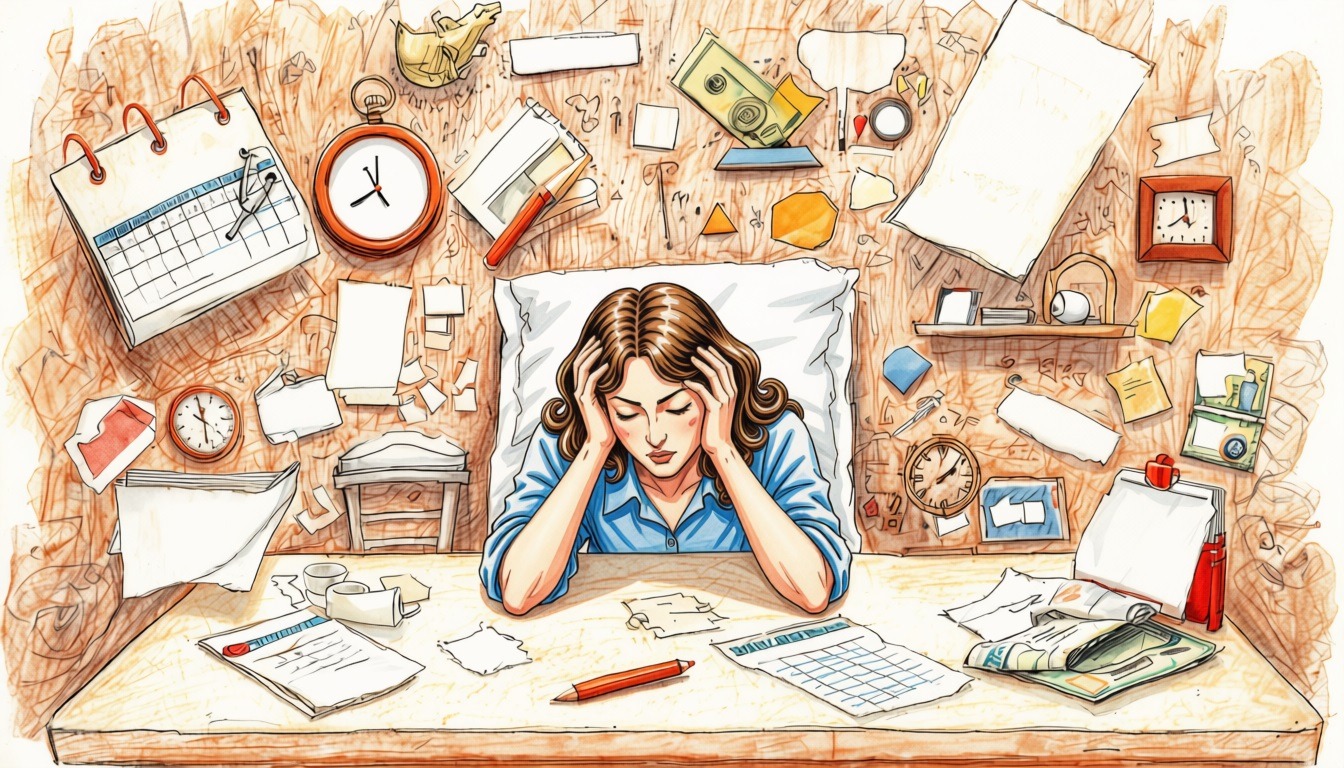
Stress is not just in your head. You feel it in the tightness of your shoulders, the clenching of your jaw, the restless nights when your body refuses to let you sink into sleep. Many of us grow up believing stress is purely mental — a storm of thoughts we should be able to “think our way out of.” Yet the body remembers what the mind tries to forget. From subtle headaches to chronic tension, from emotional numbness to digestive issues, stress lives inside our muscles, tissues, and nervous system like an uninvited guest who refuses to leave.
Understanding this truth changes everything. Instead of blaming ourselves for not being “resilient enough,” we can see stress for what it is: energy trapped inside the body, waiting to be released. And the beautiful thing? Your body already knows how to let go. You simply need to give it the right tools. In this article, we’ll explore why your body holds onto stress — and then we’ll dive into seven unconventional, science-backed, and deeply human ways to release it naturally. These are not just quick hacks but pathways back to safety, presence, and freedom in your own skin.
Why the body holds stress: The science explained simply
The body is designed to survive. Whenever you face something threatening — whether it’s a car rushing toward you or a difficult conversation with your boss — your nervous system responds by flooding you with stress hormones like cortisol and adrenaline. These chemicals prepare your muscles to fight, flee, or freeze. In the wild, this response is life-saving. Once danger passes, animals instinctively shake, tremble, or release energy, returning their systems to balance.
Humans, however, are different. We rarely discharge that survival energy. Instead, we suppress it. We sit at our desks, we swallow our words, we keep moving through the day while our bodies remain stuck in survival mode. The nervous system doesn’t know the difference between a wild predator and a modern stressor like financial pressure, grief, or unresolved trauma. It just keeps holding onto that energy, storing it in your muscles, fascia, and even in your posture.
This is why you might notice your shoulders curling forward after months of worry, or why your stomach feels tight when life feels uncertain. Neuroscience calls this “somatic memory” — the body’s way of recording experiences not through words but through sensations. When stress is never fully released, your body becomes a living archive of unfinished survival responses. It’s not weakness. It’s biology.
The hidden cost of stored stress on Your health and emotions
Carrying stress in your body has a ripple effect that touches every part of your well-being. Physically, it can manifest as chronic pain, tension headaches, digestive issues, or even autoimmune flare-ups. The immune system, when constantly bathed in stress hormones, becomes dysregulated. What was once designed to protect you begins to harm you.
Emotionally, stored stress can leave you feeling disconnected from yourself. You might struggle to fully relax, laugh, or feel joy without a layer of unease underneath. Anxiety may appear without a clear cause, or you may experience mood swings that seem out of proportion to what is happening around you. Some people feel numb instead, as if their emotions have gone silent. This numbness is not peace — it’s the body shutting down to protect itself from overload.
There’s also a cost in relationships. When your body is constantly bracing for impact, you may interpret safe situations as unsafe, misreading signals from others. A gentle touch can feel threatening, or a simple disagreement can trigger an outsized reaction. Over time, this erodes trust — both in yourself and in the people you love.
The good news is that none of this is permanent. The body is remarkably resilient. With the right practices, you can teach your nervous system that it’s safe again. You can release the weight of what you’ve been carrying, not by ignoring or controlling it, but by allowing the body to do what it already knows how to do: reset, restore, and return to balance.
1. Somatic awareness and body scanning: Listening to Your inner landscape
One of the most overlooked yet transformative ways to release stress is through somatic awareness — the practice of paying attention to the language of the body. Many of us spend our days trapped in our minds, disconnected from the subtle cues our bodies are constantly sending. A clenched jaw, a racing heart, or a shallow breath often go unnoticed until the tension turns into pain. Somatic awareness brings these signals back into the light, helping you notice not only where stress hides but also how it shifts when you bring attention to it.
A simple body scan is a powerful entry point. Find a quiet place, close your eyes, and slowly move your awareness from the crown of your head down to your toes. Without judgment, notice sensations: warmth, heaviness, tingling, tightness. The goal is not to change anything but to become aware. This kind of gentle noticing signals to the nervous system that it is safe to relax, that there is no need to stay in constant vigilance. Over time, body scanning can help you catch stress before it builds, allowing you to soften into your body instead of bracing against it.
The beauty of somatic awareness lies in its simplicity. It requires no equipment, no special environment, only your willingness to pause. Many people find that emotions arise during this practice — sadness, anger, or even joy — as the body finally has a chance to speak. This release is not a problem; it is the healing. By tuning into the whispers of your body, you allow the accumulated stress to loosen its grip, one gentle moment at a time.
2. Shaking therapy: Returning to the body’s natural reset button
If you’ve ever watched a dog after a scare, you may have noticed how it shakes itself from head to tail before moving on. This instinctive behavior is not random — it’s the nervous system’s way of discharging leftover survival energy. Humans have the same capacity, but social conditioning often teaches us to suppress it. We label trembling as weakness, fidgeting as distraction, or shaking as strange. In reality, these micro-movements are the body’s natural mechanism for release.
Shaking therapy, sometimes referred to as neurogenic tremoring, is a practice that intentionally activates this reset button. By engaging in gentle movements that invite tremors — such as bouncing on your heels, loosening the arms, or softly vibrating the legs — you allow trapped energy to flow out of the muscles and fascia. The experience can feel unusual at first, but many describe a profound sense of calm afterward, as if the body has finally exhaled after holding its breath for years.
The key is not to force the process but to allow it. Start with a few minutes of rhythmic shaking, letting your body guide the pace. Some people laugh, others cry, and some simply sigh in relief. What matters is the permission you give yourself to move in ways that society often tells us to avoid. As research in somatic therapies shows, shaking supports regulation of the vagus nerve and restores balance in the autonomic nervous system. It is primal, instinctive, and free — a forgotten medicine available within your own body.
3. Breathwork beyond meditation: Unlocking stress through the breath
Breath is the bridge between body and mind. Most of us breathe shallowly, trapped in the chest, which signals the nervous system to stay on high alert. But when we expand our breath, we send a powerful message to the body: you are safe. Breathwork goes beyond the slow, steady inhales and exhales we associate with relaxation. It is a dynamic tool that can shift states of consciousness, unlock stuck emotions, and release stored tension at its roots.
One unconventional form is holotropic breathwork, developed by psychiatrist Stanislav Grof. This technique uses accelerated breathing patterns combined with music to bypass the rational mind and tap into deeper layers of the psyche. While it should be practiced with a trained facilitator, it has shown profound effects on emotional release and trauma integration. Another gentler practice is coherent breathing — breathing at a steady rhythm of about five breaths per minute. Studies show that this pace optimizes heart rate variability, balancing the sympathetic and parasympathetic systems, and reducing the grip of stress.
What makes breathwork so powerful is its immediacy. Within minutes, your body begins to shift. You may feel tingling in your hands, warmth in your chest, or waves of emotion rising and falling. Unlike talk-based approaches, breathwork bypasses the analytical brain, offering direct access to the body’s stress pathways. Each breath becomes an invitation to soften, to release, to return home to yourself. Whether practiced in a therapeutic session or in your own quiet space, breathwork reminds you that healing is always as close as your next inhale.

4. Sound and vibration healing: The power of resonance in the body
Have you ever noticed how humming to yourself feels soothing, or how certain songs seem to shake something loose inside you? That’s not just emotional response — it’s vibration working on a cellular level. The human body is not only flesh and bone but also frequency and rhythm. Every cell vibrates, and sound can influence the nervous system in profound ways. Ancient traditions have long used chanting, singing, and drumming for healing, and modern science is beginning to understand why.
When you hum, sing, or even chant a simple vowel sound, you stimulate the vagus nerve, a key player in the parasympathetic nervous system. This nerve connects the brain to major organs, and its activation signals safety and relaxation. Studies show that sound vibration can lower blood pressure, reduce cortisol, and improve heart rate variability — all markers of resilience against stress. Beyond physiology, sound offers a doorway for emotional release. A cry, a sigh, or a spontaneous chant can move energy that words cannot.
Practical application doesn’t require instruments or special training. You can begin by sitting in a quiet space, closing your eyes, and humming a steady tone. Let it vibrate in your chest and feel how it resonates in different parts of your body. Some people find comfort in singing freely, while others use singing bowls or tuning forks. What matters is not performance but presence — giving your body permission to use sound as medicine. Over time, this practice can help soften chronic tension, unlock emotional blockages, and remind you of the deep connection between voice, body, and healing.
5. Cold exposure and thermal contrast: Teaching the body to let go
Exposing yourself to cold might sound like the opposite of stress relief. Yet cold therapy has gained attention for its remarkable ability to reset the nervous system and build resilience. When you immerse yourself in cold water or take a cold shower, your body reacts strongly, your breath shortens, and your heart races. This response mimics stress — but in a controlled and safe environment. Over time, practicing cold exposure teaches your nervous system how to regulate, how to move through activation into calm.
The science is compelling. Cold exposure stimulates the vagus nerve and increases norepinephrine, a neurotransmitter linked to improved mood and focus. It also reduces inflammation, which is often elevated by chronic stress. Paired with mindful breathing, cold immersion helps your body learn that intense sensations do not equal danger. Instead of bracing against them, you learn to soften into the experience. This shift can translate into daily life, making you less reactive to stressors that once overwhelmed you.
If full ice baths feel intimidating, you can begin with something simple: ending your shower with thirty seconds of cold water. Notice your breath, let it slow down, and feel the initial shock give way to a surprising sense of clarity. Another gentle approach is thermal contrast — alternating between warm and cold water. This not only supports circulation but also gives your body a rhythmic reset, much like the ebb and flow of natural cycles. Over time, these practices become less about discomfort and more about trust — trust in your body’s capacity to endure, adapt, and release what no longer serves.
6. Expressive movement and authentic dance: Releasing what words cannot hold
There are feelings the mind cannot name, yet the body carries them faithfully. Dance, when stripped of choreography and performance, becomes a direct channel for these emotions. Authentic movement — moving your body freely without judgment, instruction, or expectation — is one of the most liberating ways to release stored stress. Unlike exercise aimed at fitness or aesthetics, this form of movement is about expression. It allows your body to speak its own language, to tell its stories through rhythm, gesture, and flow.
When you give yourself permission to move however your body wants, something shifts. A shaking hand becomes the release of fear. A pounding of feet on the ground becomes the voice of anger finally expressed. A gentle sway side to side can soothe the nervous system, echoing the rocking motions that comfort us as children. Neuroscientists have found that rhythmic movement stimulates areas of the brain involved in emotional regulation, while psychologists note that dance therapy helps integrate traumatic experiences that words cannot reach.
You don’t need a stage or a studio. Put on music that resonates with you, close your eyes if it helps, and allow your body to guide you. Notice when you want to move big, when you want to curl in, when laughter or tears come uninvited. This practice is about authenticity, not performance. With time, expressive movement becomes more than just an outlet — it becomes a conversation with your body, a reminder that healing is not always quiet or still. Sometimes, it looks like dancing your stress away until only stillness remains.

7. Touch, self-massage, and the science of safe connection
Touch is one of the oldest forms of healing, yet it is often overlooked in conversations about stress. From the moment we are born, touch regulates our nervous system, grounding us in safety. Research shows that nurturing touch lowers cortisol levels, increases oxytocin (the “bonding hormone”), and calms the sympathetic nervous system. Yet in adulthood, many of us become touch-deprived, either through isolation, busyness, or unresolved trauma that makes physical closeness feel unsafe.
Self-massage is a gentle entry point to reclaiming the healing power of touch. By applying pressure to the shoulders, temples, or feet, you not only relieve muscle tension but also send signals of care to your nervous system. Simple techniques, like massaging the jaw to release clenched stress or rolling a ball under your feet to ground yourself, can have profound effects on both body and mind. These small acts of self-contact remind your body that it is cared for, that it is not alone in carrying the burden of stress.
Equally important is cultivating safe, consensual touch with others. Hugging a trusted friend, holding hands, or lying with a pet can all activate the parasympathetic response, soothing the body into calm. For those who find touch triggering, it helps to begin with gradual, intentional self-contact, building tolerance and safety over time. In every form, touch bridges the gap between isolation and connection, allowing stress to dissolve not only through physical release but also through the profound human need to be held — by yourself, by others, by life itself.
How to integrate these practices into daily life
Learning new ways to release stress is empowering, but the real transformation comes when they weave into the fabric of everyday living. Integration is less about rigid schedules and more about small, repeated invitations to presence. Instead of treating these practices as another task on a to-do list, you can approach them as rituals of care that punctuate your day with grounding and ease.
For example, you might begin the morning with a brief body scan, noticing how you feel before rushing into tasks. During stressful work hours, a few minutes of humming or shaking can reset your nervous system without anyone noticing. After a long day, ending with expressive movement or a short self-massage can help your body release what it has absorbed, allowing you to enter rest more peacefully. Even something as simple as alternating warm and cool water at the end of your shower can become a daily anchor.
Consistency is not about doing everything, but about choosing one or two practices that resonate deeply and repeating them until they feel natural. Over time, your body learns to trust these signals, moving from hypervigilance into calm more quickly. What matters most is the spirit with which you approach them. These practices are not punishment or obligation; they are acts of love, reminders that your body is not an enemy but a partner, one that longs to guide you back to balance if only given the chance.
Practice Corner: A guided journey to release stress in Your body
Let’s bring everything together in a guided practice you can try right now. Find a comfortable space where you won’t be disturbed for the next fifteen minutes. Begin by sitting or lying down, closing your eyes, and taking three slow breaths. With each exhale, imagine letting go of a little more tension.
Start with a body scan, moving your awareness gently from head to toe. Notice areas of tightness without judgment. Place your hand on one of those areas, offering warmth and gentle pressure. Whisper to yourself, “I am listening.” Stay here until you feel a softening, even if subtle.
Next, invite movement. Allow your body to tremble or shake, beginning with small vibrations in your hands or legs. Let the movement grow, trusting that your body knows how to release. If emotions arise, breathe through them, letting sound emerge if it wants — a sigh, a hum, even a cry. Follow this with three minutes of free movement, letting your body dance however it wants. Move big, move small, curl in, stretch out. This is your body’s language of release.
To close, sit quietly again and place your hands over your heart or belly. Hum a gentle tone, feeling the vibration resonate through your chest. End with a slow self-massage of your temples or shoulders, reminding your nervous system that it is safe, that it is cared for. Rest in this stillness for a moment, noticing the difference between where you began and where you are now.
This practice can be as long or as short as you need, a portable sanctuary you can return to whenever stress begins to settle into your body. Over time, it becomes less about following steps and more about listening — trusting that your body already knows how to release, and your role is simply to let it.
Reclaiming calm through the body
Stress is often framed as a mental problem — something to think our way out of with logic, productivity hacks, or positive affirmations. But as we’ve explored, stress is also deeply embodied. It lodges in our muscles, pulses in our heartbeat, shapes our breathing, and even influences how we relate to those around us. When left unresolved, it becomes a silent weight that disconnects us from our aliveness.
The invitation of these practices is simple yet radical: instead of fighting stress with more force or burying it beneath distraction, you learn to partner with your body. You give yourself permission to shake, to breathe, to hum, to touch, to move in ways that feel strange at first but deeply familiar at the level of instinct. This is not about control but about release. It is about remembering what your body has always known — that stress is not meant to be carried forever, that there is always a pathway back to balance.
Releasing stress naturally is not a one-time event but an ongoing conversation. Some days, it may look like a short body scan at your desk. Other days, it may be a dance session that leaves you laughing and crying at once. Over time, these moments accumulate, teaching your nervous system that safety is possible, that healing is possible, that peace is not somewhere “out there” but already within you.
The body holds stress, yes. But it also holds resilience, wisdom, and a profound desire to return you to wholeness. Every breath, every tremor, every hum is a step back home — into calm, into presence, into the soft, steady ground of yourself.
Related posts You’ll love:
- Why You wake up at 3AM (and what it really means for Your body, mind, and spirit)
- Watching sunsets as super therapy: The science, psychology, and healing power of nature’s evening ritual
- The healing magic of lying on the floor for 10 minutes
- How to transition from work mode to relax mode: A complete guide to inding inner calm after busy days
- How to use movement to process emotions: An expert guide for healing
- The hidden stress in multitasking culture: Why doing it all is quietly draining Your mind and body
- Tension mapping: How to notice where Your body stores stress

Frequently Asked Questions (FAQ)
-
Why does my body physically hold onto stress?
Your body holds onto stress because the nervous system often stays in “survival mode” long after a stressful event has passed. Instead of releasing the energy through natural processes like movement, trembling, or deep breathing, humans often suppress these responses. This leads to tension being stored in muscles, fascia, and even posture, creating a physical record of unresolved stress.
-
What are the signs that stress is stuck in the body?
Common signs include chronic muscle tightness, jaw clenching, digestive issues, frequent headaches, fatigue, shallow breathing, and difficulty relaxing even when you’re not busy. Emotionally, stored stress may appear as irritability, anxiety, numbness, or feeling “on edge” without knowing why.
-
How do unconventional methods help release stress compared to traditional relaxation techniques?
While traditional methods like meditation or yoga are helpful, unconventional practices such as shaking therapy, sound healing, or cold exposure work directly with the body’s instinctive release mechanisms. These approaches bypass overthinking and allow the nervous system to reset naturally, often producing faster and deeper results.
-
Can shaking or tremoring really help reduce stress?
Yes. Tremoring is a natural discharge mechanism that animals use after stress. When you allow your body to shake intentionally, you help release stored adrenaline and tension. Research in somatic therapy shows that this practice can regulate the vagus nerve, lower cortisol, and promote a sense of calm.
-
Is breathwork safe for everyone?
Gentle breathwork practices, such as coherent breathing, are generally safe and beneficial for most people. More intensive forms, like holotropic breathwork, should be done with a trained facilitator, especially if you have cardiovascular issues, respiratory conditions, or a history of trauma. Always listen to your body and start gradually.
-
How often should I practice these stress-release techniques?
Consistency is more important than intensity. Practicing even a few minutes daily can make a difference. For example, a short body scan in the morning, humming during breaks, or five minutes of expressive movement in the evening can slowly re-train your nervous system to release stress more easily.
-
Can these practices replace therapy or medical treatment?
These practices are supportive, not substitutes for professional care. If you struggle with chronic stress, trauma, or health issues, it’s best to combine them with therapy or medical treatment. Think of them as complementary tools that help your body heal alongside other forms of support.
-
Why do I sometimes feel emotional when trying these techniques?
It’s completely normal. When the body finally releases stored stress, emotions that were suppressed may surface — tears, laughter, anger, or relief. This is part of the healing process. Allowing these emotions to move through you helps the nervous system reset and creates more space for calm.
-
How long does it take to feel results from these practices?
Some people feel immediate relief, like a lighter body or clearer mind, after a single session of shaking, breathwork, or sound healing. For others, it may take weeks of gentle, consistent practice before noticing big changes. The key is patience and building trust with your body.
-
Which practice should I start with if I feel overwhelmed?
Start simple. A daily body scan or humming practice is gentle and accessible for most people. Once you feel comfortable, you can experiment with shaking, cold showers, or free movement. Let your body guide you — the best practice is the one you can return to consistently with compassion, not pressure.
Sources and inspirations
- Van der Kolk, B. A. (2014). The Body Keeps the Score: Brain, Mind, and Body in the Healing of Trauma. Viking.
- Ogden, P., & Fisher, J. (2015). Sensorimotor Psychotherapy: Interventions for Trauma and Attachment. W. W. Norton.
- Porges, S. W. (2011). The Polyvagal Theory: Neurophysiological Foundations of Emotions, Attachment, Communication, and Self-Regulation. W. W. Norton.
- Grof, S., & Grof, C. (2010). Holotropic Breathwork: A New Approach to Self-Exploration and Therapy. State University of New York Press.
- Brosschot, J. F., Gerin, W., & Thayer, J. F. (2006). The perseverative cognition hypothesis: A review of worry, prolonged stress-related physiological activation, and health. Journal of Psychosomatic Research.
- Brown, R. P., & Gerbarg, P. L. (2005). Sudarshan Kriya Yogic breathing in the treatment of stress, anxiety, and depression: Part I—neurophysiologic model. Journal of Alternative and Complementary Medicine.
- Kox, M., van Eijk, L. T., Zwaag, J., van den Wildenberg, J., Sweep, F. C., van der Hoeven, J. G., & Pickkers, P. (2014). Voluntary activation of the sympathetic nervous system and attenuation of the innate immune response in humans. Proceedings of the National Academy of Sciences.
- American Psychological Association. (2018). Stress effects on the body. Retrieved from here




Leave a Reply