Table of Contents
Why movement matters more than You think
Most of us are taught to think of emotions as something that happens only in the mind. We imagine sadness as tears in our eyes, anger as thoughts of frustration, or joy as a smile. But the truth is far deeper. Emotions are not just fleeting mental states. They live in the body, shaping our posture, our breath, our nervous system, and even our health. If you’ve ever felt a lump in your throat when trying not to cry, a pit in your stomach before speaking up, or a racing heart when love takes you by surprise, you’ve experienced the embodiment of emotion.
Yet in our modern world, we are often disconnected from the body. We sit at desks, we scroll on screens, we live in our heads. When emotions arise, instead of moving with them, we tend to suppress them. We tell ourselves to “get over it,” “calm down,” or “stay strong.” But emotions that are not expressed do not simply vanish. They get stored, waiting for release, often showing up as anxiety, chronic pain, fatigue, or a sense of emotional numbness.
Movement becomes the bridge between mind and body. It is a way of letting emotions flow through us, rather than stagnating within us. Unlike talking alone, movement provides a visceral, physical language that allows our nervous system to reset and our inner world to be expressed. In this guide, we’ll dive deep into the science of embodied emotions, explore cultural traditions that have always known this truth, and walk through practical ways to use movement as a healing tool in your everyday life.
1. The science of emotions in the body
How emotions are stored
Neuroscientists like Antonio Damasio have shown that emotions are not abstract; they are intimately tied to our physiological state. When you feel fear, your amygdala triggers a fight-or-flight cascade: your muscles tighten, your heart pounds, and blood rushes to your limbs. When grief strikes, your body folds inward, your breath shortens, and your shoulders slump. These aren’t random coincidences; they are survival patterns.
But when we suppress these survival responses, our body never completes the cycle. The energy of the emotion remains trapped in the nervous system. Trauma expert Bessel van der Kolk famously describes this in The Body Keeps the Score: unprocessed emotions live on in our fascia, our muscle memory, and even our immune system.
The polyvagal connection
Stephen Porges’ Polyvagal Theory explains how our vagus nerve regulates emotional safety. When we feel safe, we move easily, laugh, and connect. When we feel threatened, we either fight, flee, or shut down. Movement helps re-regulate this system. Shaking, stretching, dancing, or even gentle walking sends signals of safety to the vagus nerve, reminding the body it is no longer in danger.
Research evidence
A growing body of research confirms this. A 2014 meta-analysis in The Arts in Psychotherapy found that dance movement therapy significantly improves mood, reduces trauma symptoms, and fosters resilience. Similarly, studies on yoga and tai chi show reduced cortisol levels, better emotional regulation, and improved wellbeing. In essence, science is catching up to what the body has always known: movement heals.
2. Cultural wisdom of moving emotions
Long before modern psychology, cultures around the world understood movement as medicine. Indigenous traditions, spiritual rituals, and community dances all used embodied practices to express and release emotions.
- In African traditions, drumming and dance are communal ways of moving grief, joy, and transition through the body.
- In Indigenous North American practices, shaking, chanting, and ritual movement are used to release trauma and restore balance.
- In Sufi traditions, whirling dance symbolizes surrender, allowing emotions to spin out and connect the dancer to divine presence.
- In ancient Greece, catharsis—emotional release through theatre and movement—was seen as essential for mental health.
Modern Western culture, however, has often disconnected movement from emotion, reducing it to performance, fitness, or aesthetics. Reclaiming movement as emotional practice is not new—it is remembering what humanity has always known.
3. Different movements, different emotions
Each emotion has its own rhythm, texture, and shape in the body. By noticing how an emotion longs to move, we give it permission to complete its cycle.
- Anger often wants strong, forceful movement: stomping, punching a pillow, vigorous shaking.
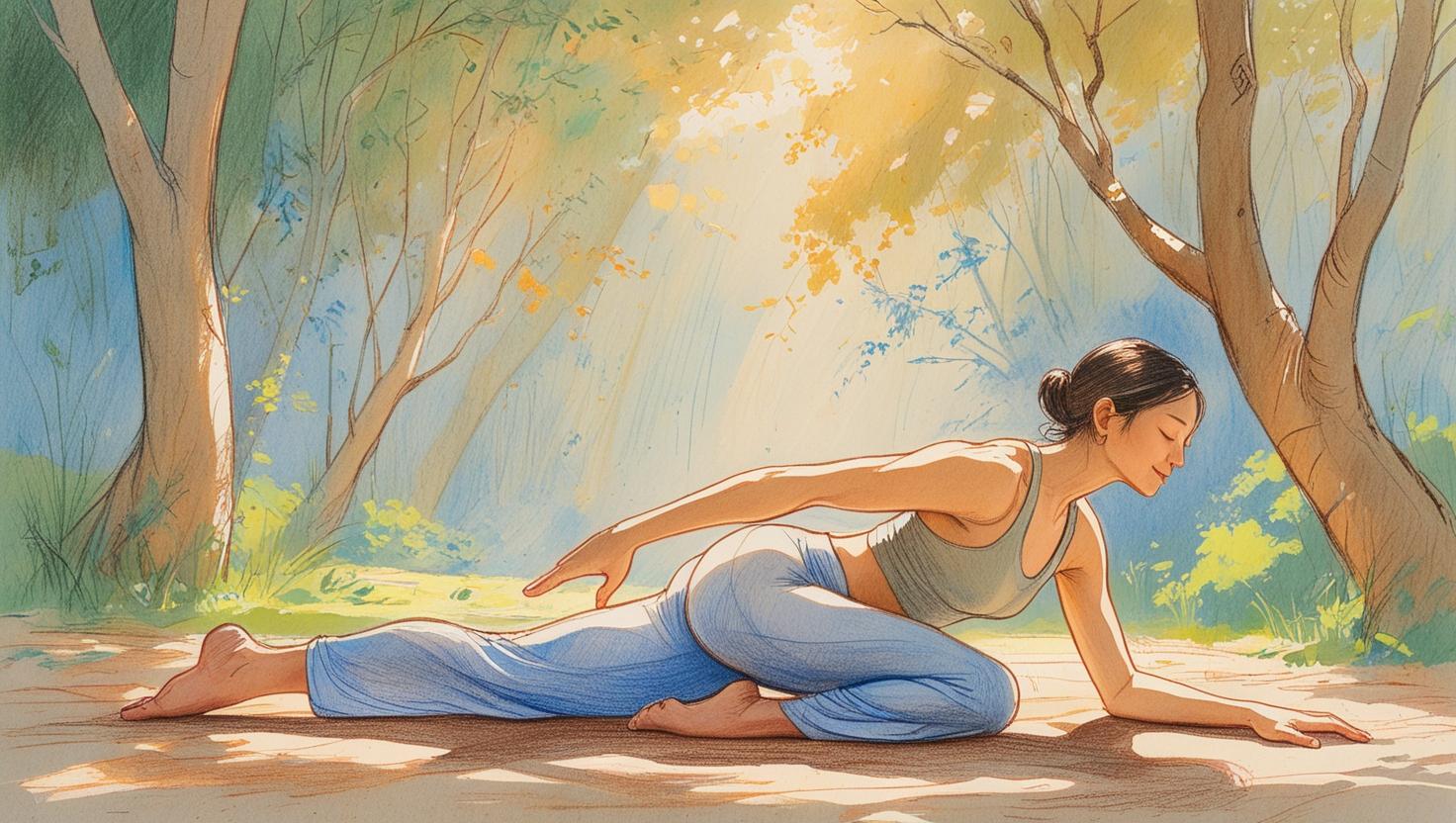
- Sadness moves more slowly, downward: curling inward, rocking, or sinking into the floor.
- Fear can manifest in trembling or pacing, and shaking helps discharge the adrenaline.
- Joy naturally expands upward and outward: bouncing, spinning, dancing, leaping.
- Grief often combines contraction with release: rocking, swaying, kneeling, folding, then opening again.
The key is authenticity. Movement should not look a certain way. It should feel true to the emotion inside you.
4. Practical ways to use movement daily
Freeform emotional release
Set aside 10–20 minutes, play music that matches your mood, and allow your body to move without rules. Don’t worry if it looks awkward. Trust that your body knows the language your mind has forgotten.
Somatic shaking
This practice, seen in both trauma therapy and ancient traditions, involves intentionally shaking the body to release tension. Start by bouncing your knees, then let the vibration spread through your torso, arms, and face. After 5–10 minutes, stillness naturally arises, bringing a sense of calm.
Yoga and breath integration
Instead of treating yoga as a workout, approach it as an emotional dialogue. Stay in postures long enough to feel what emotions surface. Use the breath to soften into those feelings rather than resisting them. Hip openers, heart openers, and restorative poses are particularly powerful for emotional processing.
Walking as meditation
Walking mindfully transforms a daily habit into a moving meditation. Match your breath to your steps. Notice how your arms swing, how your feet press into the ground. When emotions rise, allow them to be carried forward with each stride.
Dance as joyful medicine
Play upbeat music and let yourself dance—not for performance, but for release. Smile, laugh, spin, and bounce. Joy is one of the most healing emotions, and dance makes it contagious.
5. Stories of healing through movement
Case study 1: Releasing grief
Maria, a woman in her 40s, struggled with unprocessed grief after losing her father. Traditional talk therapy helped her understand her emotions, but she still felt “stuck.” A therapist introduced her to freeform dance. At first, she resisted, feeling silly. But as she allowed her body to sway, her chest opened, and tears poured out. Over weeks, she noticed she could breathe more fully. Movement gave grief a path out of her body.
Case study 2: Processing anger
James, a veteran, carried unresolved anger from combat. He found traditional therapy difficult, as words did not capture his experience. Through trauma-informed boxing drills—punching into pads with full strength—he released energy he had held for years. His therapist noted a visible reduction in his hypervigilance.
Case study 3: Healing anxiety
A teenager named Lily used mindful walking to manage anxiety. Every afternoon, she took a 20-minute walk, focusing on matching her breath to her steps. Within a few weeks, her panic attacks decreased, and she reported feeling “lighter.”

6. Integration after movement
Movement alone is powerful, but integration deepens the process. After an emotional release practice, take time to pause. Sit quietly, place a hand on your heart or belly, and breathe deeply. Journaling can also anchor the insights: write down what you felt, what images came up, and what your body wanted to express. Some people choose to draw or paint their emotions afterward, giving further creative form to the experience.
Hydration is essential, as movement releases not only emotions but also stress hormones through the body. A warm bath, gentle stretching, or lying down with calming music can support nervous system reset. Think of integration as “closing the circle”—acknowledging the body for its wisdom and giving it rest after its work.
7. Movement as ongoing self-love practice
Processing emotions through movement is not just about managing crises. It is about cultivating a lifestyle of embodied self-love. When you regularly move with awareness, you create a relationship of trust with your body. You learn to listen instead of override, to allow instead of suppress. This shift transforms not only how you handle difficult emotions but also how you experience joy, intimacy, and presence.
In a culture that glorifies productivity and disconnection, choosing to move authentically is a radical act of self-care. It says: I trust my body. I honor my emotions. I deserve calm and freedom.
Movement is more than fitness. It is a language for emotions, a medicine for the nervous system, and a pathway to healing. By moving with awareness—whether through shaking, dancing, yoga, walking, or freeform expression—you give your emotions the release they crave. You reconnect to your body’s wisdom, build resilience, and invite inner calm.
Your body remembers what your mind forgets. All it asks is that you listen, and move.
Related posts You’ll love:
- How to create a picnic ritual for relaxation: A complete guide to mindful outdoor calm
- Digital detox evenings: How to create a tech-free sanctuary for inner calm and restorative sleep
- Tea meditation: How to brew mindfulness into Your day for inner calm and balance
- Evening gratitude meditation: How to end Your day with peace, presence, and inner calm
- Why swimming can feel like meditation in motion: Unlocking the mind-body connection
- When Your 30s feel emotionally heavy: 10 soothing practices that truly help
- Words of Power for emotional emptiness: 33 great healing words to help You feel again

Frequently Asked Questions (FAQ) on using movement to process emotions
-
Can movement really help release stuck emotions?
Yes. Research in somatic psychology shows that movement helps complete the body’s stress cycles. Practices like shaking, dancing, and yoga allow the nervous system to discharge tension and restore balance, making emotions feel lighter and easier to process.
-
What type of movement is best for processing emotions?
There is no single “best” movement. Freeform dance, shaking, yoga, mindful walking, or even simple stretching can all be powerful. The key is to choose movement that feels natural, authentic, and safe for your body in the moment.
-
How often should I practice movement for emotional healing?
Even 10–15 minutes a few times per week can make a noticeable difference. Many people find daily practices like mindful walking or short shaking sessions supportive for emotional balance. Consistency matters more than intensity.
-
Is movement-based emotional release the same as exercise?
Not exactly. While movement can overlap with exercise, the goal here is not fitness but emotional expression and regulation. The focus is on awareness, embodiment, and releasing emotions, rather than calories or performance.
-
Can movement practices help with trauma?
Yes, but with care. Trauma often lives in the body, and gentle, trauma-informed movement can support healing. However, for deep or overwhelming trauma, it’s best to work with a therapist trained in somatic or body-based approaches.
-
Do I need special training or experience to start?
No. Anyone can begin. You don’t need to be a dancer, yogi, or athlete. All you need is curiosity and willingness to listen to your body. Start small, and let your body guide the process.
-
What if I feel silly or uncomfortable moving this way?
That’s normal. Many people are used to suppressing movement and emotions. Creating a private, safe space can help. Over time, discomfort fades, and movement feels more natural and freeing.
-
Can movement replace talk therapy or meditation?
Movement is not a replacement but a complement. Talk therapy and meditation work mainly through the mind, while movement engages the body directly. Combining these approaches often provides the most holistic healing.
-
What music works best for emotional movement practices?
It depends on your emotion. Calming music may support gentle release, while rhythmic beats can help process anger or energize joy. Trust your body’s response and choose sounds that resonate with your current state.
-
How will I know if the movement practice is working?
Signs include feeling lighter, calmer, or more grounded afterward. Sometimes tears, laughter, or even yawns arise naturally—these are all signs your nervous system is releasing tension and integrating emotions.
Sources and inspirations
- Damasio, A. R. (1994). Descartes’ Error: Emotion, Reason, and the Human Brain. Putnam.
- Levine, P. A. (1997). Waking the Tiger: Healing Trauma. North Atlantic Books.
- Ogden, P., Minton, K., & Pain, C. (2006). Trauma and the Body: A Sensorimotor Approach to Psychotherapy. W. W. Norton & Company.
- Porges, S. W. (2011). The Polyvagal Theory: Neurophysiological Foundations of Emotions, Attachment, Communication, and Self-Regulation. W. W. Norton & Company.
- Van der Kolk, B. A. (2014). The Body Keeps the Score: Brain, Mind, and Body in the Healing of Trauma. Viking.
- Koch, S. C., Kunz, T., Lykou, S., & Cruz, R. (2014). Effects of dance movement therapy and dance on health-related psychological outcomes: A meta-analysis. The Arts in Psychotherapy.
- Röhricht, F. (2009). Body-oriented psychotherapy: The state of the art in empirical research and evidence-based practice. Body, Movement and Dance in Psychotherapy.




Leave a Reply