Table of Contents
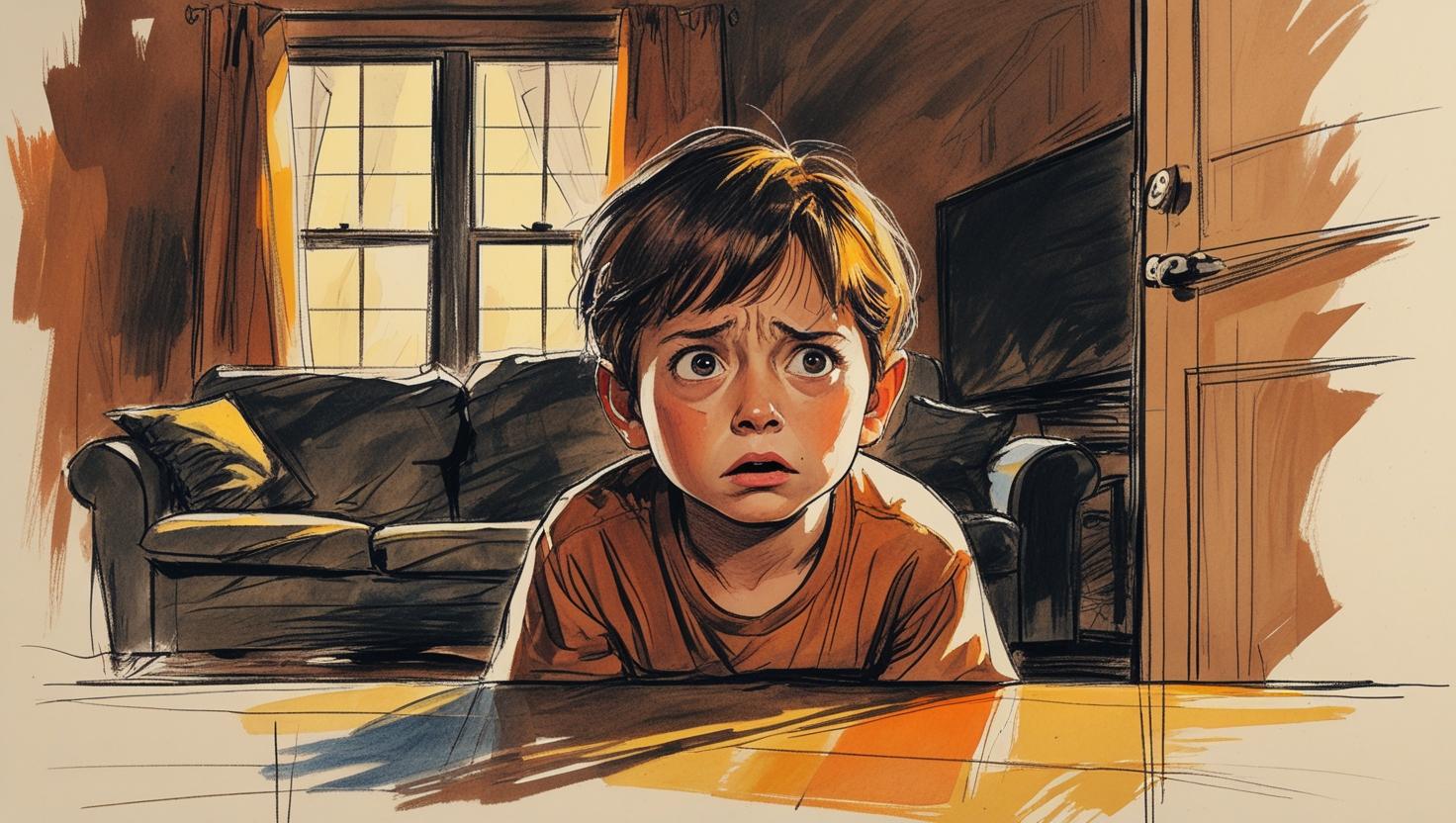
Growing up in a high-stress household often leaves invisible imprints on our body, mind, and spirit. While many people may minimize or overlook their early experiences, the reality is that constant exposure to conflict, instability, financial uncertainty, or emotional neglect shapes the nervous system in profound ways. The body learns to stay on high alert, relationships feel unsafe or unpredictable, and self-worth can be tangled with fear or responsibility that was never yours to carry.
This article is dedicated to exploring not only the hidden impact of such an upbringing but also practical exercises that anyone can try to begin the healing journey. These practices are written for everyone, regardless of background, and are designed to help regulate the nervous system, rebuild a sense of safety, and foster deeper self-compassion. Healing is never linear, but with steady practice, the weight of a stressful childhood can begin to loosen its grip.
The hidden impact of high-stress households
A high-stress household can mean many different things: constant arguments between caregivers, financial struggles that create chronic worry, unpredictable moods or even substance abuse in the home, or environments where silence and walking on eggshells felt safer than expressing yourself. These experiences do not simply disappear as you grow older. They become woven into the ways you think, feel, and relate to others.
Research shows that children raised in stressful households often carry a heightened stress response into adulthood. The amygdala, the brain’s alarm system, becomes overly sensitive, while the prefrontal cortex, which helps regulate emotions, struggles to maintain balance. This can result in feeling easily overwhelmed, shutting down emotionally, or constantly anticipating that something bad will happen. Relationships may feel unsafe, leading to patterns of people-pleasing, avoidance, or over-responsibility.
The good news is that these patterns are not fixed. The brain and body are capable of healing and rewiring through intentional practice. By engaging in exercises that restore safety, nurture self-understanding, and reframe old narratives, you can begin to reclaim your inner calm and sense of wholeness.
Practice corner: Exercises for healing from a high-stress childhood
Healing from the impact of a high-stress household requires practices that meet both the body and the mind. Below are exercises designed to create gentle but powerful shifts. Each one is described in full detail so you can enter the experience with clarity and compassion.
Exercise 1: The grounding breath for nervous system regulation
If you grew up in a high-stress household, your nervous system likely learned to stay in a state of hyper-vigilance. Grounding through breath is a way to signal to your body that you are safe in the present moment. This is not just about breathing in and out, but about creating a relationship with your body that gently reminds it of safety.
Find a quiet space and sit comfortably, placing both feet on the floor. Close your eyes if it feels comfortable. Inhale slowly through your nose for a count of four, feeling the air fill your chest and belly. Pause for a gentle count of two, then exhale through your mouth for a count of six, releasing tension with the breath. Continue this rhythm for at least five minutes.
As you breathe, notice the sensation of your feet on the ground. Imagine roots extending from the soles of your feet into the earth, holding you steady. Each exhale is a way of telling your body, “You are here, you are safe, you are no longer in that stressful household.” This exercise not only calms the nervous system but also builds trust with your own body, something that may have felt unsafe in childhood.
Exercise 2: Writing letters to Your younger self
Children who grow up in high-stress households often feel invisible, unheard, or misunderstood. Writing letters to your younger self creates an opportunity to acknowledge that child within you and to give them the compassion they never received.
Choose a quiet moment and take a pen and paper. Begin by writing to your younger self at a specific age that was especially difficult. Perhaps it was during a time when arguments at home were constant, or when you felt you had to act older than you were. Start with the words, “Dear little me, I see you.” Allow yourself to write freely, expressing understanding and kindness.
Acknowledge the fears, the confusion, and the strength it took to survive. Reassure your younger self that none of it was their fault. End the letter with words of hope, such as, “I am with you now. You are no longer alone.” Writing these letters can be profoundly healing, as they bridge the gap between your adult self and the child who still longs for safety.
Exercise 3: Rewriting old narratives through journaling
Growing up in a high-stress home often leaves us with internalized beliefs: “I am not enough,” “I am responsible for everyone else,” or “I must stay quiet to be safe.” These beliefs are not truths but survival strategies. Journaling offers a way to gently question and rewrite these narratives.
Take a journal and write down one belief that you suspect came from your childhood environment. For example, “I am responsible for keeping everyone happy.” Then ask yourself: Where did this belief come from? Who taught me this, directly or indirectly? Does this belief serve me today, or is it keeping me small?
Now, write an alternative narrative. For instance, “I am not responsible for others’ emotions. I deserve relationships where joy and responsibility are shared.” Repeat this process regularly, noticing how each reframed narrative shifts your sense of self over time. This exercise trains the brain to move from survival-based thinking into a mindset rooted in self-trust and freedom.
Exercise 4: Safe place visualization for inner calm
Children from stressful households often did not have a safe physical place to retreat to. Creating a safe place visualization allows you to cultivate an inner refuge that you can visit whenever you feel overwhelmed.
Close your eyes and imagine a place where you feel completely safe and calm. This could be a beach, a forest, a cozy room, or even an entirely imagined sanctuary. Notice the details: the colors, the sounds, the textures under your feet. Imagine yourself sitting or lying down in this space, breathing deeply, and feeling fully protected.
Every time you practice this visualization, you are teaching your nervous system that safety can exist inside you, not only outside of you. Over time, this practice strengthens your ability to self-soothe, even in stressful situations.
Exercise 5: Practicing boundaries through gentle role-play
One of the most common struggles for adults from high-stress households is difficulty setting boundaries. When home life taught you that your needs did not matter, or that conflict must be avoided, boundaries may feel unsafe. Gentle role-play is a way to practice asserting boundaries in a safe and controlled environment.
Stand in front of a mirror and choose a simple phrase, such as “No, I cannot take this on right now,” or “I need time for myself.” Speak the phrase out loud, noticing how it feels in your body. Do your shoulders tense? Does your voice shake? Allow yourself to breathe and try again.
You can also practice with a trusted friend or therapist, role-playing scenarios where you say no or ask for space. Each time you rehearse boundaries in a safe context, you build confidence for real-life situations. Over time, boundaries shift from feeling threatening to feeling like a natural expression of self-respect.

Exercise 6: Somatic release through gentle movement
Stress from childhood often gets stored in the body as tension or stiffness. Gentle movement practices such as stretching, yoga, or dance can help release stored emotions. This is not about performance or exercise in the traditional sense but about listening to the body.
Find a private space and put on soft music if it feels supportive. Begin moving your body in any way that feels natural. Stretch your arms, roll your shoulders, sway from side to side, or let your body choose how it wants to move. Notice any areas of tightness and allow gentle movement to bring relief.
As you move, imagine that each stretch or sway is releasing a piece of the stress your younger self carried. Thank your body for holding you through those difficult years, and allow the movement to become an act of gratitude as much as release.
Exercise 7: Daily self-compassion ritual
Self-compassion is often the missing piece for those who grew up in stressful environments. Creating a daily ritual of kindness toward yourself can be transformative. This does not need to be complicated. It can be as simple as placing your hand over your heart each morning and saying, “I am worthy of love and care.”
You can enhance this ritual with small acts of nourishment: making yourself a warm cup of tea, lighting a candle, or keeping a journal where you write one kind thing to yourself each evening. Over time, these gestures teach your nervous system that care and gentleness are not luxuries, but daily necessities. Through ritual, compassion becomes a habit rather than a rare occurrence.
Exercise 8: Reparenting through daily dialogue
When you grow up in a high-stress household, the voices of your caregivers often become internalized. Sometimes they sound critical, dismissive, or impatient. Reparenting through daily dialogue is a practice of slowly changing that inner voice into one that is nurturing and supportive.
Choose a time of day, perhaps in the morning or before bed, when you can sit quietly. Close your eyes and imagine your younger self standing in front of you. Notice their expression, their posture, and the way they are looking at you. Then gently speak to them as a wise, caring adult. You might say, “I’m here with you. You did not deserve that stress. You are safe with me now.”
You can continue this conversation, responding as if your inner child is listening. Ask what they need. Maybe they want reassurance, play, or simply acknowledgment. This practice creates a corrective experience: your nervous system learns what it feels like to be met with kindness instead of criticism. Over time, these dialogues soften the harshness of the past and replace it with tenderness.
Exercise 9: Releasing through sound and voice
In high-stress households, silence often felt like the safest option. Speaking up could lead to conflict, shame, or being ignored. As a result, many adults carry blocked energy in their voice and throat, struggling to express themselves. Releasing through sound is a way to reclaim your voice and let your body know it is safe to be heard.
Find a private space where you won’t be interrupted. Begin with gentle humming, letting the vibration resonate through your chest and throat. Notice how the sound feels in your body. After a few minutes, allow yourself to expand into simple sounds — sighs, elongated vowels like “ahhh” or “ohhh,” or even a gentle song.
If emotions rise up, allow them to flow with the sound rather than suppressing them. This is not about singing perfectly but about liberating your voice from the silence it was once trapped in. Over time, practicing sound release helps restore confidence in self-expression and strengthens the connection between body, voice, and authenticity.
Exercise 10: Building a circle of safety
One of the lasting impacts of a high-stress household is the belief that connection equals danger. As a child, you may have learned to distrust closeness or to carry relationships like burdens. Healing requires slowly rebuilding a sense of safety in connection with others. Building a circle of safety is an intentional practice of surrounding yourself with supportive people who affirm your worth.
Begin by identifying one or two people in your life who feel trustworthy and consistent. These may be friends, mentors, or even supportive online communities. Make a conscious choice to spend time with them in ways that feel nourishing. Notice how your body responds when you are with them — does your chest feel lighter, do you breathe more easily, do you laugh more freely?
To deepen this practice, keep a “circle of safety journal.” (yes, journal is really effectivein a lot of things.). After each positive interaction, write down what felt safe or comforting about it. Over weeks and months, these entries become proof that safe connection is possible. Slowly, your nervous system learns to relax in relationships rather than brace for conflict. This exercise not only heals old wounds of isolation but also builds the foundation for healthier, more joyful bonds moving forward.
Growing up in a high-stress household leaves deep imprints, but it does not define your future. Healing is possible through consistent practice, patience, and compassion. These exercises are not quick fixes, but pathways toward rewiring old patterns and creating a life where you feel safe, worthy, and free. By breathing deeply, rewriting your narratives, practicing boundaries, and caring for your body and inner child, you are reclaiming what stress once stole from you: a sense of peace and belonging within yourself.
Remember that healing is not about erasing the past, but about learning how to hold it with gentleness while building a future rooted in self-love. Each exercise is a step toward that freedom.

Related posts You’ll love:
- Free Yourself from chaos and drama: Unconventional but powerful 9 exercises
- Unconventional 8 exercises to release emotional labor in relationships
- 8 exercises to shift from survival mode to a thriving mindset
- Self-worth unlocked: 10 deep practices to break free from productivity
- Practice corner: 7 exercises to transform loneliness into self-discovery
- The childhood role You still play in Your marriage without noticing
- Healing exercises for mourning Your younger self: 11 trauma informed practices to grieve, reparent, and heal, FREE PDF
Frequently Asked Questions
-
What exactly is a high-stress household?
A high-stress household is any environment where a child is consistently exposed to tension, unpredictability, or emotional instability. This can include constant arguments, financial strain, neglect, substance use, or an overall atmosphere where safety feels uncertain. Even if physical needs were met, emotional turbulence can leave lasting scars.
-
How does growing up in a stressful home affect adults later in life?
Adults raised in high-stress households often carry hidden patterns shaped by survival. These may include anxiety, overthinking, people-pleasing, difficulty setting boundaries, or struggles with self-worth. The nervous system may stay on “high alert,” making it harder to relax, trust, and feel safe in relationships.
-
Can the effects of a stressful childhood really be healed?
Yes. While early experiences shape the brain and body, neuroscience shows that healing and rewiring are always possible. Through therapy, supportive relationships, and consistent self-care practices, adults can learn to regulate their nervous system, rewrite limiting beliefs, and build new, healthier patterns of living.
-
What are the first steps to healing from a high-stress household?
The first steps often involve awareness and compassion. Noticing how old patterns still show up today, and treating yourself with kindness instead of judgment, opens the door to change. Simple grounding exercises, journaling, and creating safe connections are powerful starting points.
-
Why do I still feel anxious, even though I’m no longer in that environment?
Your body remembers stress even when the situation has ended. This is sometimes called “body memory” or a trauma imprint. The nervous system learned to expect danger, and it takes gentle, repeated practice to teach it that you are safe now. Breathwork, movement, and visualization can help create that sense of safety in the present.
-
Do I need therapy to heal, or can I do these exercises on my own?
Many people find that self-guided practices like the ones in this article create significant healing. However, therapy can provide deeper support, especially if memories feel overwhelming or painful. A therapist trained in trauma or somatic approaches can help guide the process safely. Both self-practice and therapy can complement each other beautifully.
-
What if I feel guilty for focusing on myself instead of my family?
It’s common for adults from high-stress homes to carry guilt when prioritizing their own healing. Remember, caring for yourself does not mean abandoning others—it means finally breaking the cycle and learning to give from a place of fullness instead of depletion. Self-care is not selfish; it is essential.
-
Can healing from a stressful childhood improve my relationships?
Absolutely. As you build safety within yourself, your capacity for safe and loving relationships expands. Setting boundaries, expressing your needs, and trusting others becomes easier when your nervous system no longer expects chaos. Healing yourself often means healing your connections too.
-
What if I try these exercises and still feel stuck?
Healing is not linear. Feeling stuck at times is normal. If one exercise doesn’t resonate, try another. Sometimes your system needs more time before it feels ready to release old patterns. If the stuckness persists, reaching out for professional help can provide the extra support you need.
Sources and inspirations
- van der Kolk, B. A. (2015). The Body Keeps the Score: Brain, Mind, and Body in the Healing of Trauma. Viking.
- Felitti, V. J., Anda, R. F., Nordenberg, D., Williamson, D. F., Spitz, A. M., Edwards, V., & Marks, J. S. (1998). Relationship of childhood abuse and household dysfunction to many of the leading causes of death in adults: The Adverse Childhood Experiences (ACE) Study. American Journal of Preventive Medicine.
- Perry, B. D., & Szalavitz, M. (2017). The Boy Who Was Raised as a Dog: And Other Stories from a Child Psychiatrist’s Notebook. Basic Books.
- Siegel, D. J. (2012). The Developing Mind: How Relationships and the Brain Interact to Shape Who We Are. Guilford Press.
- Levine, P. A. (1997). Waking the Tiger: Healing Trauma. North Atlantic Books.




Leave a Reply