Table of Contents
When childhood never felt safe
When people recall their childhood, the stories they share often carry a sense of nostalgia—long summer days, laughter with friends, the comfort of bedtime rituals, or the reassurance that someone was always there to provide stability.
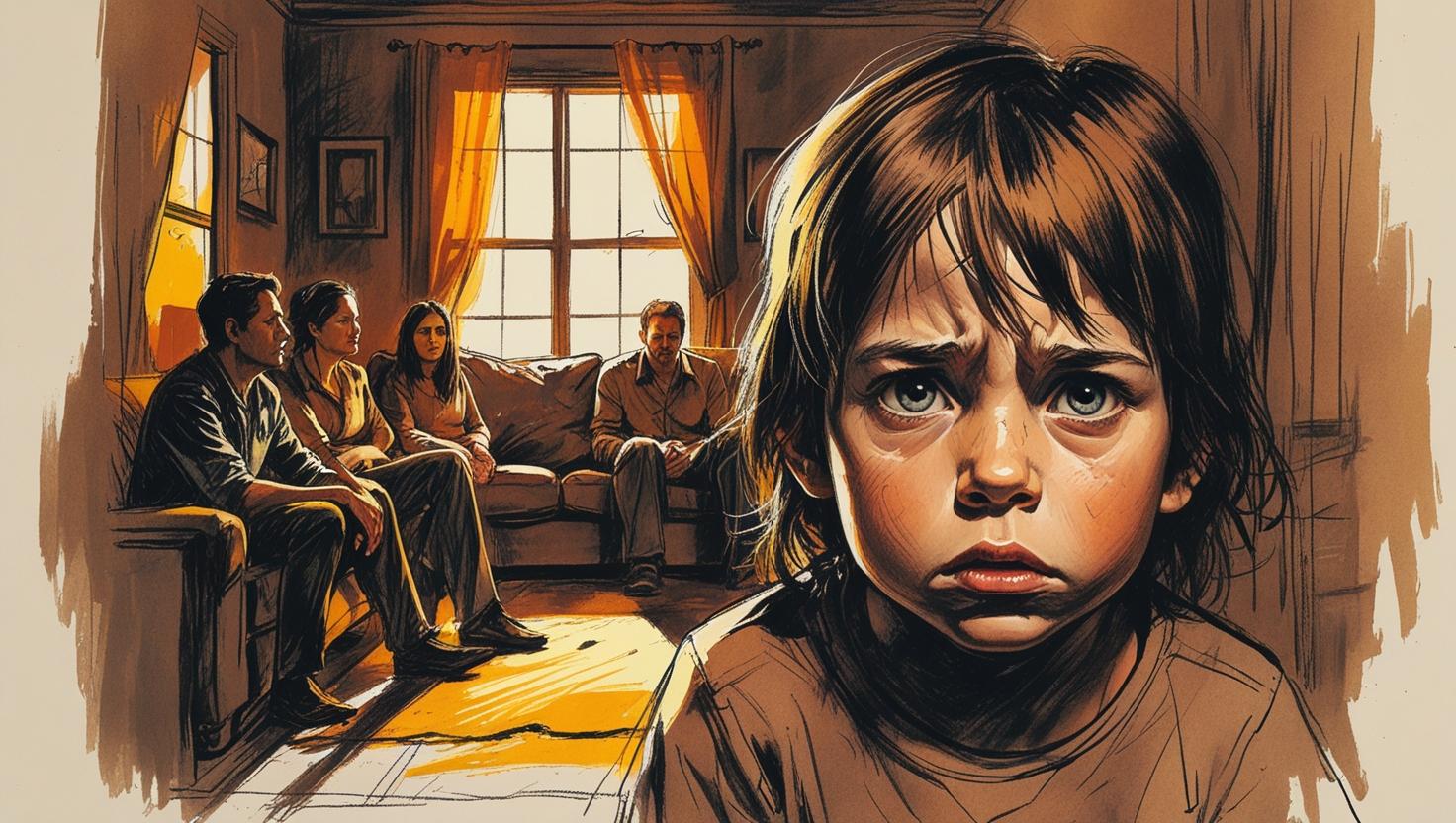
For those who grew up in households marked by constant stress, those memories are often quite different. Instead of safety and warmth, what stands out are the feelings of tension in the air, the sound of arguments breaking out behind closed doors, or the silent watchfulness of waiting for the next unpredictable shift in mood.
Childhood in such an environment may not have been defined by catastrophic events, but by a steady current of unease. Even if a parent tried their best or insisted everything was fine, a child’s nervous system always tells the truth: it knew when safety was fragile.
Growing up in a high-stress household leaves imprints that often go unrecognized until adulthood. While society is beginning to understand the visible impacts of abuse or neglect, the more subtle forms of chronic stress—financial instability, parental conflict, untreated mental illness, or substance dependence—can be just as powerful in shaping a child’s future.
What happens in those early years can linger beneath the surface for decades, affecting how someone sees themselves, how they relate to others, and even how their body responds to the world. This article takes a deep look into the hidden impact of high-stress households, not only describing what happens in childhood but also unpacking how those experiences ripple through adulthood and what it means to reclaim healing.
What defines a high-stress household?
Stress itself is not inherently harmful. In fact, small amounts of manageable stress—like preparing for a school presentation or learning to ride a bike—help children build resilience and problem-solving skills. The difference lies in whether stress is occasional and buffered by support or chronic, overwhelming, and inescapable. In households where stress never seems to end, children adapt in ways that prioritize survival over growth, hypervigilance over rest, and compliance over authentic self-expression.
A high-stress household does not look the same for every child. For some, the defining feature is frequent conflict between parents—raised voices, slamming doors, and a constant fear that love might collapse into anger. For others, stress comes in the form of financial uncertainty, with parents discussing bills late into the night, children overhearing threats of eviction, or siblings learning early to go without because there simply was not enough.
In some families, the stress stems from mental health struggles: a parent’s depression making them emotionally unavailable, or anxiety causing outbursts that leave children on edge. In others, it is substance abuse or chronic illness that tilts the balance of stability, leaving the household unpredictable from one day to the next.
What all of these environments share is not necessarily violence or neglect, but a consistent atmosphere of tension. The air itself feels charged. Safety is conditional. Calmness is temporary. And over time, children who grow up in these environments stop expecting life to feel secure. Instead, they learn that being on guard is the only way to exist.
The nervous system learns to stay on guard
From the outside, it may be tempting to assume children adapt easily to stress. After all, they laugh, play, and go to school just like their peers. But inside, the body tells a different story. A child’s nervous system is highly sensitive to the environment, constantly tracking signals of safety and danger. Long before a child develops the ability to articulate fear or worry, their body responds to stress in measurable ways: a faster heartbeat, shallow breathing, tense muscles, and surges of stress hormones.
In high-stress households, the child’s stress-response system—the hypothalamic-pituitary-adrenal (HPA) axis—becomes overactivated. What this means in practical terms is that their body regularly releases cortisol and adrenaline, preparing them for fight, flight, or freeze. While these responses are adaptive in moments of actual danger, repeated activation reshapes how the brain develops.
Neuroscience research shows that chronic exposure to stress strengthens the amygdala, the part of the brain responsible for fear and vigilance, while weakening the prefrontal cortex, which governs emotional regulation, reasoning, and long-term planning.
For the child, the outcome is simple: safety never feels assured. Even in moments of quiet, the nervous system remains braced for something to go wrong. This hypervigilance can follow them into adulthood, where they may experience anxiety without clear triggers, find it difficult to relax even in safe situations, or mistake calm for boredom because the body has grown accustomed to chaos.
Emotional consequences that last into adulthood
The effects of growing up in a high-stress household are not limited to physiology. The emotional consequences are often far-reaching, shaping how a person understands themselves, their relationships, and their place in the world. Because children are meaning-making beings, they interpret their environment not only in terms of what is happening but also what it says about who they are. Unfortunately, when stress dominates the home, the conclusions children draw about themselves are often rooted in fear, unworthiness, or the belief that love is conditional.
One common outcome is difficulty feeling safe in relationships. If early life was characterized by unpredictability, the adult may come to associate closeness with instability. Intimacy can feel dangerous because, in childhood, those who were supposed to provide safety were also the source of tension. Some adults respond by gravitating toward chaotic partners, unconsciously reenacting the instability they once knew. Others swing in the opposite direction, avoiding intimacy altogether because vulnerability feels unsafe.
Another emotional imprint is the development of hyper-responsibility. Many children in high-stress households take on adult roles early, becoming the peacemaker, the helper, or the one who anticipates problems before they escalate. While this creates competence and resilience, it also robs the child of their right to simply be cared for. In adulthood, this manifests as chronic people-pleasing, perfectionism, and burnout. These individuals may find it nearly impossible to rest without guilt, believing that if they are not doing enough, they are failing those around them.
Some adults carry forward patterns of emotional numbing or dissociation. When stress became unbearable in childhood, detaching from emotions was often the only way to cope. While this helped them survive, it can later create challenges in adulthood. Emotional numbness may show up as difficulty connecting deeply with others, feeling detached from life, or struggling to recognize their own needs.
Underlying all of these is an increased vulnerability to anxiety and depression. The Adverse Childhood Experiences (ACE) study revealed a strong link between high-stress environments in childhood and the development of mental health conditions later in life. What was once a child’s survival strategy—hypervigilance, self-blame, detachment—becomes the very pattern that interferes with adult well-being.

Physical health effects: The body keeps the score
The idea that childhood stress remains “in the body” is not simply metaphorical—it is backed by decades of research. Trauma expert Bessel van der Kolk famously stated, “the body keeps the score,” meaning that unresolved experiences of stress are stored not just in memory, but in muscles, hormones, and immune function. Adults who grew up in high-stress households often face an elevated risk of physical illness, even if they have no conscious awareness of the connection.
The biological explanation lies in how chronic stress alters the body’s systems. Constant activation of the stress response leads to elevated inflammation, suppressed immune functioning, and changes in metabolism. Over time, this increases susceptibility to cardiovascular disease, diabetes, autoimmune conditions, and gastrointestinal disorders.
What makes this even more striking is that the adult may not attribute their health challenges to childhood stress. A 40-year-old struggling with high blood pressure or irritable bowel syndrome may never realize that the root of their condition lies in the way their body adapted decades earlier to household chaos.
In addition to disease risk, chronic stress in childhood has been linked to lower life expectancy. The ACE study found a dose-response relationship: the more categories of household stress a person experienced, the higher their risk for early mortality. This stark finding underscores that childhood environments are not just about emotional well-being—they are matters of lifelong health.
The invisible impact on self-worth
Beyond the nervous system and physical health, perhaps the most enduring effect of growing up in a high-stress household is the impact on self-worth. Children make sense of their world through a deeply personal lens: if something feels unsafe or unstable, they often assume it must be their fault. When parents are too overwhelmed to provide consistent love, the child concludes not that the parent is struggling, but that they themselves are unworthy of care.
These unconscious beliefs shape the adult’s sense of identity. A person may overwork, believing that worth must be earned through productivity. They may tolerate poor treatment in relationships, thinking love always comes with conditions. Or they may carry a harsh inner critic, echoing the chaotic environment of their past, reminding them that they are never quite enough.
What makes this wound particularly insidious is that it is invisible. Unlike physical scars, it does not announce itself. Instead, it hides in the way someone apologizes too quickly, doubts their accomplishments, or feels undeserving of peace. Yet this invisible wound often influences every decision, shaping careers, friendships, and even the ability to feel joy.
Breaking the cycle: Pathways to healing
Healing from the hidden impacts of a high-stress household is neither quick nor easy, but it is profoundly possible. What was wired in the brain through survival can, over time, be rewired through intentional practices, safe relationships, and compassionate self-understanding. Awareness itself is the first step. Recognizing that the challenges faced in adulthood are not personal failures but adaptive responses to early stress changes the entire narrative.
Therapeutic support plays a vital role. Trauma-informed modalities such as Eye Movement Desensitization and Reprocessing (EMDR), somatic experiencing, or Internal Family Systems (IFS) therapy offer pathways to process unresolved memories and release stored survival responses. These approaches work not just at the cognitive level but with the body and nervous system, addressing the root of what was once endured.
Equally important is the role of supportive relationships. Just as stress was once embedded through inconsistent caregiving, healing can be nurtured through safe, consistent, and compassionate connections. Relationships that model trust and stability allow the nervous system to learn new patterns of safety.
Daily practices that regulate the body—such as meditation, slow breathing, or yoga—also play a role in teaching the nervous system to rest. Over time, the body learns that danger is no longer constant, and the state of calm that once felt foreign becomes familiar.
Perhaps most transformative is the practice of self-compassion. For many adults from high-stress households, the harshest voice is the one inside their own mind. Learning to replace self-criticism with gentleness begins to rebuild the self-worth that was once eroded. Healing is not about erasing the past; it is about choosing a new way of relating to oneself in the present.
Moving forward: Reclaiming Your story
Growing up in a high-stress household may have left invisible scars, but it also cultivated resilience. The very survival strategies that once felt burdensome—the ability to sense emotions quickly, to stay alert, to manage responsibilities—are testaments to strength. Healing does not mean discarding these traits, but rather reclaiming them in a healthier form. Hyper-awareness can become empathy. Responsibility can become leadership. Survival can transform into wisdom.
Reclaiming your story means acknowledging what was endured without letting it define what comes next. It is a process of grieving what was lost—safety, innocence, ease—while also honoring the courage it took to endure. And in doing so, it creates the possibility of living differently, of building households and relationships defined not by stress, but by peace.
The hidden impact of growing up in a high-stress household is profound. It shapes nervous systems, bodies, emotions, and beliefs in ways that often go unseen. Yet the story does not end with what was endured in childhood. Through awareness, therapeutic support, body-based healing, and compassionate self-reflection, it is possible to reclaim safety, rebuild self-worth, and create a different future.
What once felt like an invisible burden can become a source of profound strength. The past may explain the present, but it does not determine the future. Healing is not only possible—it is your birthright.

Related posts You’ll love:
- From stress and chaos to calm: 10 exercises to heal the lasting impact of a stressful childhood
- Are You addicted to chaos and drama? The psychology behind it and the path to peace
- The silent weight of emotional labor in relationships: Why it matters more than You think
- How to shift from survival mode to a thriving mindset
- How to untangle Your self-worth from productivity — Guide to reclaiming Your value
- How to transform loneliness into self-discovery
- Childhood roles in marriage: 7 powerful exercises to stop reacting on autopilot
- The childhood role You still play in Your marriage without noticing
FAQ about growing up in a high-stress household
-
How do I know if I grew up in a high-stress household?
Many adults question whether their childhood was “stressful enough” to leave lasting effects. A high-stress household is less about single dramatic events and more about the ongoing atmosphere of tension, unpredictability, or conflict. If you remember constantly walking on eggshells, anticipating when the next argument would start, worrying about financial problems, or taking on adult responsibilities as a child, it’s likely you grew up in a high-stress environment. Even if your parents provided for your basic needs, the emotional atmosphere may have still placed a heavy burden on your nervous system.
-
Can childhood stress cause anxiety and depression in adulthood?
Yes. Decades of research, including the well-known Adverse Childhood Experiences (ACE) Study, show a strong link between chronic stress in childhood and mental health struggles in adulthood. Growing up in a household where stress was constant can prime the brain for hypervigilance, leaving you more vulnerable to anxiety, depression, and emotional dysregulation later in life. The good news is that with therapy, supportive relationships, and nervous-system-regulating practices, these patterns can be unlearned.
-
Does growing up in a stressful home affect physical health too?
Absolutely. Chronic stress in childhood does not just stay in the mind—it reshapes the body. Research shows that adults who experienced high-stress households as children have an increased risk of heart disease, autoimmune conditions, diabetes, chronic pain, and digestive problems. The constant release of stress hormones like cortisol and adrenaline disrupts the body’s natural repair systems, creating long-term health vulnerabilities.
-
What are the signs of unresolved childhood stress in adulthood?
Unresolved childhood stress often shows up in subtle, everyday ways. You may struggle to relax, feel guilty when resting, or find yourself drawn to unstable relationships. Some people notice physical tension in their body, chronic fatigue, or recurring health issues without a clear cause. Others describe feeling emotionally numb, disconnected from their needs, or overly responsible for everyone around them. These are common signs that your nervous system is still wired for survival.
-
Is it possible to heal from the effects of a high-stress childhood?
Yes—healing is absolutely possible, even if the stress happened decades ago. The brain and body are remarkably adaptable, and with the right support, you can learn to feel safe again. Trauma-informed therapy, nervous-system practices like meditation or gentle movement, and supportive relationships can help rewire old patterns. Many adults who grew up in stressful households go on to create lives filled with peace, stability, and deep self-worth. Healing doesn’t erase the past, but it transforms how the past lives inside you.
-
How can I tell the difference between normal family stress and toxic stress?
All families experience stress at times, whether due to work, school, or unexpected challenges. The difference lies in frequency, intensity, and recovery. In healthy families, stress may arise, but children also experience repair, affection, and calm periods. In high-stress households, tension is frequent, relief is rare, and children never fully relax. If you rarely felt safe or emotionally cared for as a child, the stress you experienced likely crossed the threshold into what researchers call “toxic stress.”
-
Why do I still feel on edge even though I’m safe now?
When a child grows up surrounded by stress, their nervous system learns that constant vigilance is the only way to survive. As an adult, your body may continue scanning for danger even when there is none. This is why some people feel anxious in calm situations, or why rest feels uncomfortable. It isn’t a personal weakness—it’s your body’s survival system doing what it was trained to do. With time and healing practices, you can gently teach your body that the present is different from the past.
Sources and inspirations
- Center on the Developing Child at Harvard University. (2014). Toxic Stress: The Facts. From here.
- Felitti, V. J., Anda, R. F., Nordenberg, D., Williamson, D. F., Spitz, A. M., Edwards, V., … & Marks, J. S. (1998). Relationship of childhood abuse and household dysfunction to many of the leading causes of death in adults: The Adverse Childhood Experiences (ACE) Study. American Journal of Preventive Medicine.
- Perry, B. D. (2006). Applying principles of neurodevelopment to clinical work with maltreated and traumatized children. In N. Boyd Webb (Ed.), Working with traumatized youth in child welfare. Guilford Press.
- Shonkoff, J. P., Garner, A. S., Siegel, B. S., et al. (2012). The lifelong effects of early childhood adversity and toxic stress. Pediatrics.
- National Scientific Council on the Developing Child. (2005/2014). Excessive Stress Disrupts the Architecture of the Developing Brain: Working Paper 3. Updated Edition.




Leave a Reply