Table of Contents
When love feels like a waiting room
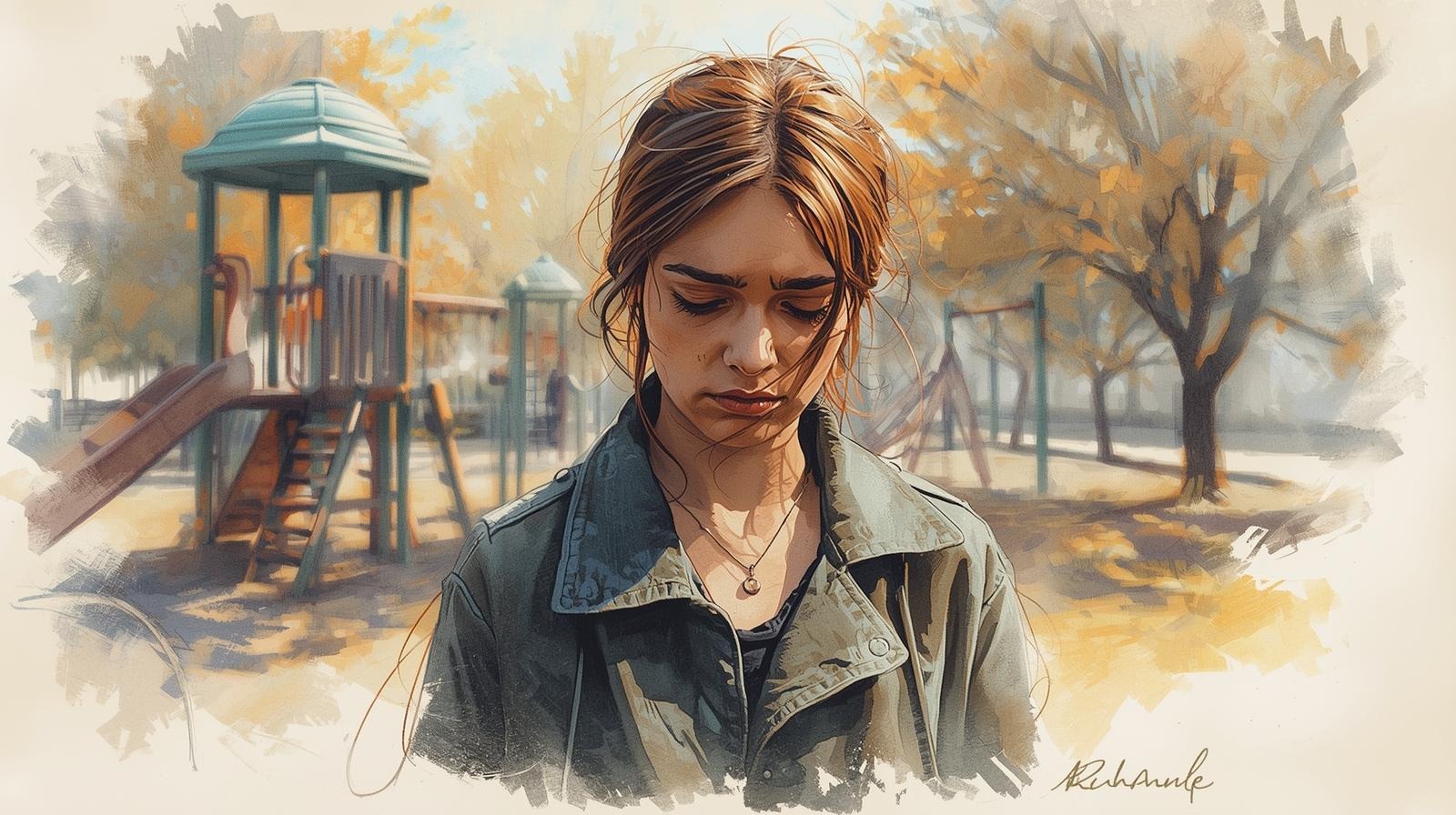
Most of us carry a memory of being chosen last. For some, it happened in childhood on the school playground, when captains picked teams for kickball or basketball. The names were called one by one, and you stood there, heart racing, silently praying not to be the one left over.
For others, it came later—being the last invited to a party, the friend who only hears plans after everyone else has already been included. At the time, it may have felt like nothing more than embarrassment or mild disappointment. But deep down, that moment plants a seed. It whispers, You’re not the first choice. You are an afterthought.
As we grow older, this seed can take root in ways we don’t always recognize. In adult relationships, being “chosen last” doesn’t look like waiting to be picked for a team. Instead, it looks like being the partner who comes second to a demanding career, the friend who only hears from someone when their preferred company isn’t available, or the person waiting endlessly for a text that never arrives. These aren’t just minor slights. Over time, they accumulate into something far heavier: the painful experience of feeling like you don’t matter enough to be prioritized.
Psychologically, this pain runs deeper than we often acknowledge. It isn’t only about disappointment or frustration—it’s about belonging. Human beings are wired for connection. We thrive on being seen, valued, and chosen. When that need isn’t met, the hurt doesn’t just sit in the heart; it ripples through the body and mind. Neuroscience research shows that social rejection activates the same neural pathways as physical pain (Eisenberger, 2020). In other words, being overlooked isn’t only “in your head”—your body registers it as a genuine wound.
But here’s the part many people don’t talk about: the cycle of being chosen last often repeats itself. If you grew up in an environment where you were consistently deprioritized—by parents, siblings, teachers—you may unconsciously seek out adult relationships that confirm that old script. Without realizing it, you might adapt to the role of “second best,” tolerating behaviors that reinforce the painful belief that you are not worthy of being chosen first.
This article isn’t about blaming yourself or others for these dynamics. Instead, it’s about shining light on a hidden wound that many people silently carry, and understanding why it hurts so much. We’ll explore the psychological, emotional, and even physical toll of being chosen last. We’ll look at why some people are more vulnerable to this experience, and why others may repeatedly choose you last. Most importantly, we’ll discuss how to heal—how to stop waiting in the wings of your own life, and start stepping into the role of your own first choice.
If you’ve ever felt like a backup plan in someone’s world, this article is for you.
Why being “chosen last” feels like rejection of the self
On the surface, being deprioritized might seem small. A canceled dinner. A partner scrolling their phone while you talk. A friend who never texts first. People often brush off these experiences with logic: They’re just busy. It’s not personal. And sometimes, that’s true. But if these moments happen repeatedly, they take on a deeper meaning. They stop being about circumstance and start being about significance.
When you are consistently chosen last, the message you internalize is not, They’re busy. It is, I don’t matter enough. That’s what makes it so painful. It’s not about the behavior—it’s about the interpretation of what that behavior says about your worth.
Neuropsychological research reveals that the brain treats social exclusion as a threat to survival (Eisenberger, 2020). For our ancestors, being chosen by the group meant protection, food, and safety. Being excluded meant danger, even death. Those ancient mechanisms still live inside us. When someone chooses not to prioritize us, our nervous system reacts as if our survival is at risk. Heart rate increases, cortisol spikes, and our bodies prepare for threat—even if the “threat” is only an unanswered message.
This explains why relational neglect can feel disproportionately painful. It is not weakness or oversensitivity; it is biology. Your body is sounding an alarm: Pay attention—connection is slipping away.
But there is another layer: the internal story. If you have an insecure attachment style, particularly anxious attachment, being chosen last confirms a painful belief: I am not enough to be loved fully. According to Mikulincer & Shaver (2019), individuals with anxious attachment often overextend themselves to earn attention, interpreting inconsistency as evidence that they must try harder. Instead of questioning whether the relationship is healthy, they question whether they themselves are adequate. This is how being chosen last becomes not just an event, but an identity.
The wound deepens because it feels personal. When a partner chooses their career over quality time with you, or when a friend consistently picks others first, it’s easy to conclude: If I were more lovable, they wouldn’t do this. But that conclusion is often flawed. Sometimes people deprioritize others because of their own fears, insecurities, or emotional limitations—not because you aren’t worthy. Still, the impact feels the same: you feel unseen, unwanted, unchosen.
And so, the experience of being chosen last isn’t about the single canceled dinner or unanswered text. It’s about the story those moments write in your heart: I am an afterthought. I am not enough to be someone’s first choice.
The invisible hierarchy of love
Every relationship carries an unspoken hierarchy. We don’t often talk about it because it feels uncomfortable to admit that we rank people in our lives. Yet the truth is, we all make choices—sometimes daily—about who receives our time, energy, and attention. A partner might come before work emails, or a best friend might come before acquaintances. The people who consistently rise to the top of that hierarchy feel secure. They know where they stand. But the people who remain at the bottom—always waiting, always hoping—begin to question whether they truly matter.
What makes this hierarchy so painful is its invisibility. Rarely do people say outright, “You’re last on my list.” Instead, it shows up in subtle patterns. You might notice that your partner always responds to others’ texts before yours. Or that your friend never seems to cancel on anyone but you. Or that when you’re in a group, you are spoken to only after others have been addressed. These micro-moments add up. They become silent signals that you are less valued, even if no one intends to send that message.
Researchers studying relationship satisfaction have found that it is not the grand gestures—expensive gifts, surprise trips—that determine whether people feel loved. Rather, it is the daily allocation of time and attention that matters most (Knee, 2020). Choosing to listen attentively, choosing to check in, choosing to prioritize connection—these are the behaviors that communicate, You matter to me.
When those choices consistently point away from you, the impact is profound. Over time, you may begin to see yourself as less worthy, not just in that relationship but across your life. You might even lower your standards, believing that being “second” or “last” is simply your place.
The hierarchy of love becomes even more complicated in our modern world, where distractions compete for attention constantly. Smartphones, social media, and endless work demands mean that prioritization is no longer just about people—it is about choosing people over screens, tasks, and noise. When someone cannot put their phone down to listen to you, or when they choose scrolling over eye contact, the message lands the same way: You are not my priority.
The invisible hierarchy matters because love is not only about affection—it is about placement. To feel secure, we must believe we are not perpetually at the bottom of someone else’s list.

Childhood echoes: From the playground to partnership
The experience of being “chosen last” rarely begins in adulthood. More often, it is a continuation of stories first written in childhood.
Think of the child waiting in the cafeteria to see if anyone will sit with them. Or the daughter who watches her parent pour attention into a sibling, while her own achievements go unnoticed. Or the boy whose mother’s depression left him perpetually on the sidelines of her inner world. These moments may seem ordinary on the surface, but in the psyche of a child, they etch powerful lessons: Others come first. My needs are less important. I am not worth choosing.
Psychological research shows that early relational experiences create what are known as “relational schemas”—mental blueprints that guide our expectations in adult life (Young, 2019). If your schema is that you are always the backup option, you may unconsciously recreate this pattern in your friendships, romances, or workplaces. You might choose partners who consistently neglect you, or tolerate friends who only call when they need something. Familiarity feels like comfort, even when it causes pain.
The echoes of childhood rejection can also intertwine with attachment styles. Children who consistently felt deprioritized often develop anxious attachment in adulthood, always striving to earn love that feels just out of reach. Others may swing toward avoidant attachment, protecting themselves by pretending they don’t need to be chosen at all. In both cases, the wound remains: a fear that you will never be anyone’s first choice.
One powerful, though painful, truth is that many adults who feel “chosen last” learned this role so young that they cannot imagine another possibility. The child who was picked last on the playground may grow into the adult who waits by the phone, tolerating long silences from a partner. The daughter who was overlooked in her family may become the woman who accepts crumbs of affection, believing full meals of love are not meant for her.
Breaking this cycle requires seeing it for what it is: not proof of your unworthiness, but the residue of old dynamics replaying themselves. By naming the echo—This is the child in me who still feels unchosen—you begin to loosen its grip. Healing means offering that child what she never received: attention, prioritization, and unconditional care.
The body keeps score of neglect
The pain of being chosen last doesn’t live only in the mind or heart—it embeds itself in the body. Neuroscience and health psychology have made it clear: relational stress is not just emotional. It is physiological.
When your body senses you are not prioritized, it registers that as a threat. The nervous system, designed to seek safety through connection, reacts with stress responses. Cortisol levels rise. Muscles tense. The heart beats faster. For someone who is repeatedly chosen last, these stress responses don’t fade quickly. Instead, they accumulate, leading to what researchers call “allostatic load”—the wear and tear the body endures under chronic stress (Slavich, 2020).
This load can manifest in countless ways: difficulty sleeping, digestive issues, migraines, weakened immunity, even higher risk for chronic illnesses. It’s not dramatic to say that being perpetually deprioritized can make you sick. The body quite literally keeps the score of neglect.
Even subtle cues of disconnection are enough to trigger this physiological stress. A partner scrolling their phone while you speak. A friend consistently rescheduling. A coworker ignoring your contributions. None of these moments involve overt cruelty, yet each communicates: You are not central here. The body responds as though it has been pushed to the margins of safety.
The tragedy is that these responses reinforce themselves. If you feel chronically overlooked, you may become hypervigilant, scanning constantly for signs of neglect. This vigilance floods the body with even more stress hormones, creating a vicious cycle. Over time, you may even numb out emotionally, as the nervous system protects itself through shutdown.
But there is hope. Research into co-regulation shows that the body can heal through consistent, attuned connection (Feldman, 2019). When someone listens deeply, looks into your eyes, or responds reliably, your nervous system relaxes. The cortisol lowers. The heart slows. You feel safe again. This means that recovery from the pain of being chosen last is not only psychological—it is also somatic. Learning to give yourself, and seek from others, consistent signals of prioritization can rewire the body’s response to neglect.
Being chosen, then, is not a luxury. It is a biological need. When you are chosen, your body finds peace. When you are overlooked, your body suffers the consequences. This is why the pain of being last in relationships is not trivial. It is lived in the tissues, nerves, and heartbeat of your daily life.
Why people end up choosing You last
One of the hardest truths to accept is that being chosen last is not always about your worth. More often, it reflects the emotional patterns and limitations of the other person. Yet when you are on the receiving end, it feels impossible not to interpret it personally. To understand this dynamic fully, we need to look at both sides: why others deprioritize you, and why you may unconsciously tolerate or even expect it.
From the perspective of those who consistently put others before you, several patterns emerge. Some people struggle with attachment avoidance. For them, intimacy feels overwhelming or threatening, so they find ways to keep distance. They may bury themselves in work, invest heavily in friends, or pour energy into hobbies—not because you don’t matter, but because closeness stirs fear (Fraley & Roisman, 2019). To someone longing to be chosen, this avoidance feels like rejection. To the avoidant person, it feels like survival.
Others deprioritize because they lack emotional literacy. They may not recognize the significance of everyday choices. To them, canceling plans last minute or failing to respond to texts is simply a scheduling issue. To you, it is a message about your worth. This mismatch creates ongoing hurt: one person unaware of the harm, the other deeply affected.
Cultural factors also play a role. In a society that glorifies busyness, many people equate constant availability to work, social media, or productivity with value. Choosing relationships first can be framed as weakness, while prioritizing achievement is praised. In this cultural landscape, people may unconsciously learn to rank partners or friends below their careers or public images.
Yet it is equally important to look inward. If you find yourself consistently in the position of being chosen last, it may be a signal that old patterns are repeating. Perhaps you learned in childhood to accept neglect as normal, so you unconsciously gravitate toward people who replicate that dynamic. Or maybe you have internalized the belief that your needs are “too much,” so you do not assert them. When you don’t advocate for being prioritized, others may not feel compelled to adjust their behavior.
This doesn’t mean you are to blame. It means the cycle is co-created: their avoidance or distraction intersects with your tolerance or silence. Breaking free requires both recognizing others’ limitations and reclaiming your own power. The truth is, some people will never choose you first because they are not capable of offering that level of presence. Your job is not to convince them otherwise, but to decide whether you want to remain in a dynamic where you are consistently placed last.
The silent grief of always waiting
One of the most overlooked aspects of being chosen last is the grief it generates. It is not the kind of grief society knows how to honor. There are no rituals for the birthdays spent alone, no memorials for the countless canceled dinners, no sympathy cards for the text that never arrived. Yet every time you wait for someone who doesn’t show up, a small loss occurs. Over time, these losses accumulate into what psychologists call disenfranchised grief—the kind of grief that is invisible, unacknowledged, and unsupported (Doka, 2019).
This grief is silent because it often feels illegitimate. You might tell yourself, It’s not that serious. They’re just busy. But inside, a quieter voice says, I am mourning something real. What you are mourning is not just attention—it is the dignity of being seen, the joy of being prioritized, the security of knowing you matter. These are profound losses, even if they don’t come with funerals or condolences.
The silent grief of always waiting has unique characteristics. It is repetitive rather than singular. Instead of one major event, it is dozens or hundreds of small disappointments that pile up. This makes it harder to name. A single betrayal is easy to recognize. A slow erosion of significance is harder to put words to. And yet, its impact is no less severe.
Many people cope with this grief through minimization. They tell themselves they’re fine. They try to stay busy. They numb with work, substances, or endless scrolling. But the grief does not disappear—it goes underground, manifesting as irritability, fatigue, or a hollow sense of emptiness. Some even begin to internalize the grief as depression, thinking, Something must be wrong with me, rather than recognizing the relational neglect that is fueling their sadness.
Naming this grief is the first step toward healing. Saying out loud, I have been waiting, and I am tired of being last. I am grieving what I never received, validates the loss. It allows you to honor the pain rather than dismiss it. It also shifts the blame from self to circumstance: the grief is not proof of your inadequacy, but evidence of unmet relational needs.
When you begin to treat this grief as real, you open the door to mourning it properly. Mourning doesn’t mean wallowing forever. It means acknowledging the loss so that you can eventually release it. As with all grief, the goal is not to erase the wound but to integrate it, so it no longer silently dictates your worth.

Breaking the cycle: Choosing Yourself first
If being chosen last is a wound, then the first step in healing is refusing to participate in your own neglect. Too often, those who are chronically deprioritized replicate the same dynamic internally. They push their own needs to the bottom of their lists, waiting for external validation before they allow themselves care. The cycle will only break when you learn to choose yourself first.
Choosing yourself first does not mean abandoning others or becoming selfish. It means recognizing that your worth does not depend on someone else’s hierarchy. It means refusing to wait endlessly in a metaphorical waiting room for someone else to finally see you. Instead, you begin to see yourself.
Therapeutic approaches like self-compassion and schema therapy emphasize the practice of reparenting—the act of offering yourself the attention, comfort, and prioritization you once longed to receive from others (Neff & Germer, 2019). Reparenting might look like taking yourself out on the date you’ve been waiting for, writing affirmations that remind you of your value, or setting boundaries with people who habitually put you last. These acts are not trivial. They are nervous-system messages that say, I will not abandon me.
Healing also requires learning to set new standards in relationships. This may involve uncomfortable conversations where you express, “I need to feel like a priority here.” It may also mean walking away from dynamics where you are consistently deprioritized, even if doing so is painful. As research on relational authenticity shows, people flourish when they align with partners and friends who naturally prioritize them, rather than fighting for scraps of attention from those who cannot or will not give it (Kernis & Goldman, 2019).
Equally important is reframing your sense of love from scarcity to abundance. When you believe love is scarce, you cling to anyone who gives you even partial attention, tolerating being last because at least you are chosen at all. But when you recognize that love is abundant—that there are people capable of meeting you with full presence—you release the desperation. You stop negotiating for crumbs and start holding out for the feast.
Breaking the cycle also involves healing on a bodily level. Practices like mindfulness, yoga, and breathwork help regulate the nervous system, calming the stress responses that arise from neglect. Each time you ground yourself, you remind your body that it is safe, even when others fail to prioritize you. Over time, your body learns not to interpret neglect as proof of danger or unworthiness, but simply as information about the other person’s limitations.
Choosing yourself first is not a single decision but a practice. It is a daily commitment to no longer abandon yourself in the way others once did. When you consistently prioritize your needs, your standards shift. You no longer tolerate being last in someone else’s life because you already know what it feels like to be first in your own.
Cultural commentary: How modern life intensifies the pain of being last
It would be easy to think that being chosen last is simply a timeless human wound. And in many ways, it is—humans have always craved belonging, always feared exclusion. But our modern culture has intensified this experience in subtle yet powerful ways. The pain of being deprioritized is no longer confined to face-to-face interactions; it is amplified by the digital age, social media culture, and a society that glorifies endless productivity.
Take technology, for example. A century ago, if someone didn’t write you a letter, you might feel forgotten—but you didn’t necessarily know what they were doing instead. Today, every canceled plan or unanswered message can be accompanied by the sting of visibility. You see your partner active online while ignoring your text. You notice your friend posting a photo at brunch without you. The message isn’t just silence; it is loud and public proof that you were not chosen.
Social media magnifies this sense of hierarchy. Platforms thrive on comparison, showing us curated images of people being chosen by others—romantic partners showering each other with affection, friends celebrating milestones together, influencers prioritizing their followers. When you already feel like you are waiting to be chosen, scrolling through these images can deepen the wound, reinforcing the idea that you are the only one left behind.
The culture of busyness further complicates the picture. In many modern societies, being busy is worn as a badge of honor. People brag about packed schedules, endless commitments, and the inability to slow down. In this environment, relationships are often sacrificed on the altar of productivity. Choosing work over love or rest is framed as noble, even necessary. Yet for the person on the receiving end, this prioritization feels like abandonment. You may hear, It’s not you, I just have so much to do, but what you feel is, I am not worth slowing down for.
Even the rise of dating apps has reshaped the landscape of being chosen. In theory, these platforms expand opportunities. In practice, they can create a constant undercurrent of disposability. When people know there is always another option just a swipe away, commitment can falter. You may feel chosen in one moment, only to sense you’ve slipped down the hierarchy the next. The constant availability of alternatives can make relationships feel precarious, heightening the fear of being last.
All of this creates an environment where the pain of being chosen last is not only common but chronic. Technology, culture, and modern relationship patterns conspire to keep the wound open, reminding us daily of where we stand—or don’t stand—in others’ priorities. Recognizing these cultural forces helps us place our personal pain in context. It’s not just you. It’s not just your relationships. It is also the broader world we live in, one that makes prioritization harder and neglect more visible.
But if culture can intensify the wound, it also offers opportunities for healing. Technology can connect us to communities of care. Social movements can reframe productivity to include rest and relationships. Awareness can help us resist the tide of disposability and insist on depth. By understanding the cultural context, we are better equipped to resist its pull and reimagine what it means to be chosen.
Becoming Your own first choice
The pain of being chosen last in relationships is not trivial. It is a wound with roots in childhood, branches in adult dynamics, and leaves scattered across body, mind, and culture. It shows up in subtle daily neglect, in old echoes of rejection, in the nervous system’s cries for safety. It whispers, You are not enough. It convinces you to wait, to settle, to grieve silently.
But here is the deeper truth: the hierarchy of love begins within. When you stop choosing yourself last, the world around you begins to shift. You no longer tolerate dynamics where you are perpetually overlooked, because you already know what it feels like to be seen and chosen—by you. You no longer wait endlessly for texts or canceled plans, because you have built a life full of your own attention, your own care, your own presence.
Healing does not mean pretending the wound never existed. It means grieving it, naming it, and then refusing to let it define you. It means understanding that the people who failed to choose you did not determine your worth—they simply revealed their limits. It means daring to believe that love is abundant, that somewhere out there are people ready and able to choose you fully.
Most of all, it means stepping into your own life as your own first choice. Because love should never feel like sitting on the sidelines of a game you never wanted to play. Love should feel like a steady, enduring yes—the kind of yes you can give yourself today, without waiting for anyone else.
Related posty You’ll love:
- Practice corner: From last Place to self-priority — A healing guide
- The feminine fear of being labeled “too ambitious”: Unpacking the hidden cost of shrinking ourselves
- How Women hide their power in everyday conversations: Subtle patterns that silence strength
- The hidden stress in multitasking culture: Why doing it all is quietly draining Your mind and body
- How Women are socialized to fear anger: Breaking the silence around a suppressed emotion
- How to stop treating self-love like a luxury
- 30-day guide to stop basing Your worth on being chosen (and start feeling secure from within). FREE PDF!
- You don’t actually want a boyfriend — You want to feel chosen: The psychology behind that ache

Frequently Asked Questions (FAQ)
-
Why does being “chosen last” in relationships hurt so much?
Because human beings are wired to seek connection and belonging, being deprioritized signals to the brain and body that we may be unsafe or unwanted. Neuroscience research shows that social rejection activates the same neural pathways as physical pain. In other words, being overlooked is not just an emotional experience—it is also a biological one.
-
Is being chosen last the same as rejection?
Not always. Rejection is often explicit—someone clearly says no or walks away. Being chosen last is more subtle. It is the slow erosion of attention, the consistent pattern of being deprioritized. But the impact can be just as painful, because the underlying message is the same: you are not central in this relationship.
-
How do childhood experiences affect the feeling of being chosen last as an adult?
Many adults who struggle with being chosen last grew up in environments where they felt overlooked—by parents, siblings, or peers. Those early patterns create relational “blueprints” that shape adult expectations. Without conscious healing, people may unconsciously repeat familiar dynamics of neglect.
-
What are some signs that I am being chosen last in a relationship?
Some common patterns include consistently canceled plans, partners or friends prioritizing others before you, long silences or delayed responses, and a lack of emotional availability. If you often feel like you are waiting, or that you matter less than other commitments, you may be experiencing this dynamic.
-
Can people change if they always put me last?
Change is possible, but it depends on awareness and willingness. Some people deprioritize relationships because of avoidance, emotional illiteracy, or fear of intimacy. With communication and therapy, patterns can shift. However, it is not your responsibility to convince someone to choose you. Your role is to decide what you are willing to accept.
-
How can I heal from always being chosen last?
Healing begins with choosing yourself first. This includes practicing self-compassion, setting boundaries, grieving the pain of neglect, and seeking relationships where you feel valued. It may also involve somatic practices like mindfulness or yoga to help calm the nervous system. Therapy can also provide powerful tools for breaking old cycles.
-
Is it selfish to put myself first after being chosen last for so long?
Not at all. Prioritizing yourself is not selfish—it is necessary. When you learn to consistently choose yourself, you stop tolerating dynamics that diminish you. This doesn’t mean ignoring others’ needs, but rather refusing to abandon your own in the process.
-
How does modern culture make this experience worse?
Social media, dating apps, and the culture of busyness all intensify the feeling of being last. Technology makes neglect more visible—you can see others being chosen in real time. The glorification of productivity often means relationships come second. And dating culture can create a sense of disposability, making it harder to feel securely prioritized.
-
Can being chosen last affect my physical health?
Yes. Chronic relational stress increases allostatic load—the wear and tear on the body from prolonged stress. This can impact sleep, immunity, digestion, and even risk for chronic illness. The body does not separate emotional pain from physical wellbeing.
-
What is the most important first step to break the cycle?
The first step is awareness: noticing the pattern without blaming yourself. From there, committing to no longer putting yourself last is key. Whether through self-care practices, therapy, or setting clear boundaries, the path forward begins with becoming your own first choice.
Sources and inspirations
- Doka, K. J. (2019). Disenfranchised Grief: Recognizing Hidden Sorrow. Routledge.
- Eisenberger, N. I. (2020). The pain of social disconnection: examining the shared neural underpinnings of physical and social pain. Nature Reviews Neuroscience.
- Feldman, R. (2019). The neurobiology of human attachments. Trends in Cognitive Sciences.
- Fraley, R. C., & Roisman, G. I. (2019). The development of adult attachment styles: Four lessons. Current Opinion in Psychology.
- Knee, C. R., Patrick, H., & Lonsbary, C. (2020). Implicit theories of relationships: A framework for understanding relationship dynamics. Personality and Social Psychology Review.
- Kernis, M. H., & Goldman, B. M. (2019). A multicomponent conceptualization of authenticity: Theory and research. Advances in Experimental Social Psychology.
- Mikulincer, M., & Shaver, P. R. (2019). Attachment in Adulthood: Structure, Dynamics, and Change. Guilford Press.
- Neff, K. D., & Germer, C. K. (2019). The Mindful Self-Compassion Workbook. Guilford Press.
- Slavich, G. M. (2020). Social safety theory: A biologically based evolutionary perspective on life stress, health, and behavior. Annual Review of Clinical Psychology.
- Young, J. E., Klosko, J. S., & Weishaar, M. E. (2019). Schema Therapy: A Practitioner’s Guide. Guilford Press.




Leave a Reply