Table of Contents
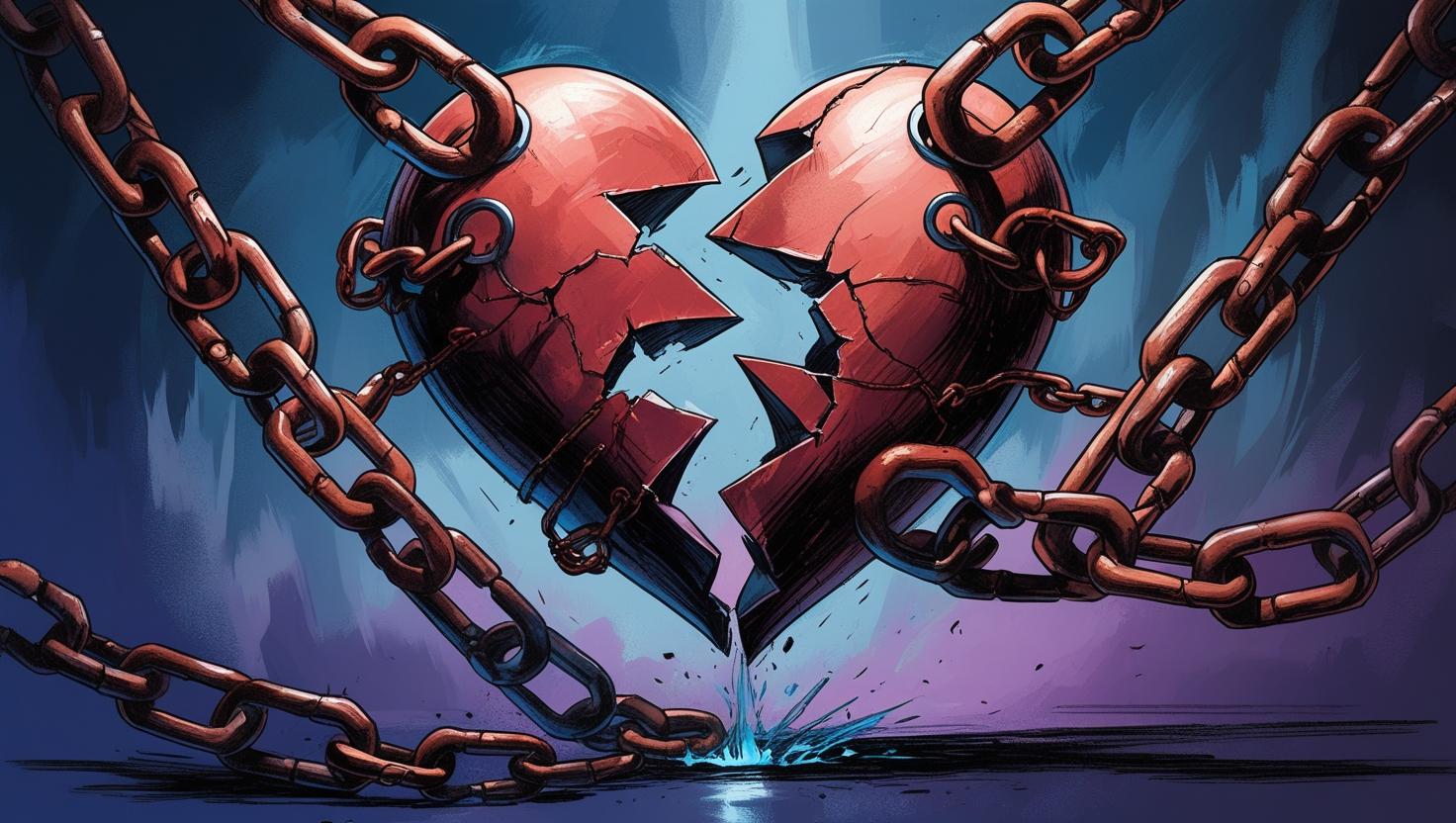
A toxic relationship is a relationship in which emotional, psychological, or even physical harm occurs regularly. Unlike healthy relationships that are built on respect, trust, and communication, toxic relationships are based on control, manipulation, fear, and guilt.
Toxic relationships can be:
- Romantic (toxic partner or spouse)
- Familial (toxic parents or siblings)
- Social (toxic friends)
- Professional (toxic coworkers or boss)
These relationships drain your energy, damage your mental health, and make you question your self-worth.
Core characteristics of a toxic relationship:
- Constant criticism or belittling
- Gaslighting — making you doubt your memory or feelings
- Emotional blackmail
- Jealousy and possessiveness
- Lack of trust or respect
- Blame shifting and denial of responsibility
- Physical, emotional, or financial control
As Harriet B. Braiker writes in Who’s Pulling Your Strings?, toxic relationships often involve emotional manipulation and dependency, where one person dominates and the other silently suffers.
10 clear warning signs You’re in a toxic relationship
Toxic relationships often sneak up on you. They start with charm and affection but gradually turn into cycles of abuse and control. Here are the top 10 red flags that signal a toxic dynamic:
1. You constantly feel guilty or not good enough
Your partner blames you for everything, making you feel guilty even for their bad behavior.
2. You walk on eggshells
You fear their reactions so much that you avoid certain topics or hide your feelings just to “keep the peace.”
3. You’ve become isolated
Toxic people often cut you off from friends, family, or outside support so they can have more control over you.
4. There’s a pattern of gaslighting
They twist your words, deny things they’ve said or done, or call you “crazy” until you question your own sanity.
5. They don’t respect Your boundaries
Whether it’s checking your phone or criticizing your body, toxic partners violate your personal space and emotional safety.
6. You’re emotionally drained
You feel exhausted, anxious, or emotionally numb after every interaction.
7. They use love as a weapon
They alternate between love-bombing and coldness — leaving you confused and emotionally dependent.
8. They play the victim
Even when they hurt you, they make it about them — crying, blaming their past, or flipping the narrative.
9. You’ve lost Your sense of self
You no longer recognize who you are — you’ve given up hobbies, dreams, and values just to make the relationship work.
10. You’re always in “survival mode”
Your nervous system is constantly in fight, flight, or freeze. You feel trapped, anxious, and emotionally unsafe.

Psychological and physical effects of toxic relationships
Remaining in a toxic relationship can lead to serious mental health issues and physical illness.
Mental and emotional consequences:
- Depression and suicidal thoughts
- Anxiety, panic attacks, and chronic stress
- Post-Traumatic Stress Disorder (PTSD)
- Low self-esteem and self-doubt
- Emotional numbness or hypervigilance
- Trouble trusting others in the future
Physical symptoms:
- Sleep disorders (insomnia or nightmares)
- Digestive issues and headaches
- Chronic fatigue
- Weakened immune system
- Muscle tension and body pain
Cohen & Wills (1985) found that chronic relationship stress can trigger physical illness, especially when people lack emotional support.
Why do toxic relationships hurt so much?
We are wired for connection. When relationships turn toxic, they harm our core psychological needs: love, safety, freedom, and self-worth.
Toxic relationships also:
- Trigger past trauma
- Reinforce negative self-beliefs
- Create dependency through fear or guilt
- Mimic childhood emotional wounds (according to schema therapy)
Psychologists Jeffrey Young, Janet Klosko, and Marjorie Weishaar argue that unresolved childhood schemas — like abandonment or unworthiness — often attract us to toxic partners.
Who is most vulnerable to toxic relationships?
Anyone can fall into a toxic relationship, but some people are at higher risk, especially those with:
- Dysfunctional childhoods
- Emotionally unavailable or abusive parents
- Low self-esteem
- Codependency issues
- Fear of abandonment or being alone
Melody Beattie’s book, Codependent No More, explains how people who grew up “people-pleasing” often end up in controlling or abusive relationships.
How to leave a toxic relationship — safely and smartly
Breaking free is hard — especially when there’s love, history, or fear involved. But it’s necessary for your healing!
Step-by-step guide to leaving a toxic relationship:
- Admit the truth
Stop minimizing or justifying their actions. Acknowledge the harm. - Seek support
Reach out to a therapist, domestic violence hotline, or trusted people in your life. - Make an exit plan
If physical abuse is involved, contact shelters, legal support, or crisis centers. - Set and enforce boundaries
Say no. Block them. Create physical and digital space. - Do the inner work
Explore therapy to understand why you stayed — and how to break the cycle permanently. - No contact is often the best contact
Cut off communication if it’s safe and necessary for your recovery.
How to protect Yourself from future toxic relationships
Healing is the first step. Prevention is the next.
Tips to avoid toxic relationships in the future:
- Know your boundaries — and stick to them
- Work on your self-esteem — confidence repels manipulation
- Learn to spot red flags early
- Trust your gut — intuition is real
- Surround yourself with safe, honest people
- Consider therapy — especially schema therapy if childhood wounds run deep
Remember: love should feel safe, not scary.
You deserve respect, peace, and love
You are not crazy. You are not weak. You are not alone.
Toxic relationships thrive in silence — so speak up, reach out, and choose yourself.
Getting out is not easy, but staying will cost you even more: your peace, your joy, and sometimes your life.
The stronger your self-awareness, the harder it is for someone to manipulate you. HERE you find exercises to break free from toxic relationships.
Related posts You’ll love:
- Are You secretly sabotaging Your own life? Discover what self-sabotage is and how to stop it before it’s too late (5 strategies)
- Attachment styles in relationships – and how they affect You (and Your love life)
- Toxic positivity vs. genuine healing: Know the difference (before it sabotages Your emotional growth)
- Trauma bond: The hidden ties that keep You stuck
- Rebuilding trust after micro cheating: A 14 day repair plan that works without phone policing, FREE PDF!
- Practice corner: How to stop idealizing people who hurt You – A 7-day clarity challenge. FREE PDF!
FAQ: Toxic relationships – How to recognize and escape them
-
What is a toxic relationship?
A toxic relationship is one where emotional, psychological, or physical harm happens repeatedly. It’s characterized by control, manipulation, fear, and guilt, unlike healthy relationships based on respect, trust, and communication.
-
What are common types of toxic relationships?
Toxic relationships can occur in many forms, including romantic partnerships, family dynamics (parents or siblings), friendships, and professional environments like toxic coworkers or bosses.
-
What are the warning signs of a toxic relationship?
Key warning signs include feeling constantly guilty, walking on eggshells, isolation from loved ones, gaslighting, lack of respect for boundaries, emotional exhaustion, love used as a weapon, victim-playing, loss of self-identity, and living in constant survival mode.
-
How do toxic relationships affect mental and physical health?
Toxic relationships can lead to depression, anxiety, PTSD, low self-esteem, emotional numbness, sleep disorders, chronic fatigue, digestive problems, headaches, and weakened immune function.
-
Why do toxic relationships cause so much pain?
They damage our fundamental needs for love, safety, freedom, and self-worth, often triggering past trauma and reinforcing negative beliefs about ourselves, creating emotional dependency and fear.
-
How can I safely leave a toxic relationship?
Steps include admitting the truth about the harm, seeking support from therapists or hotlines, making an exit plan (especially in cases of abuse), setting boundaries, doing inner healing work, and often cutting off contact to protect yourself.
-
Is it possible to recover and find healthy relationships after toxic ones?
Yes. With self-awareness, support, and healing, you can rebuild trust, regain your sense of self, and develop fulfilling, respectful relationships.
-
Where can I find help if I’m in a toxic relationship?
Reach out to mental health professionals, domestic violence organizations, trusted friends or family, and online support groups. Remember, you are not alone and help is available.
Sources and inspirations
- Forward, S. (1989). Toxic Parents.
- Beattie, M. (1987). Codependent No More.
- Braiker, H. B. (2001). Who’s Pulling Your Strings?
- Young, J. E., Klosko, J. S., & Weishaar, M. E. (2003). Schema Therapy.
- Paterson, R. J. (2000). The Assertiveness Workbook.
- Cohen, S., & Wills, T. A. (1985). Stress, Social Support, and the Buffering Hypothesis. Psychological Bulletin.
- Herman, J. L. (1992). Trauma and Recovery.
- Miller, A. (1979). The Drama of the Gifted Child.
Leave a Reply