
Table of Contents
Do you ever find yourself putting off important tasks, even though you know it’s going to make your life harder(procrastinating)? You’re not alone — and it’s not about being lazy. Let’s break down the real psychological reasons why we procrastinating and what you can do to overcome it for good.
What is procrastination?
The term procrastination comes from Latin — pro (forward) and crastinus (tomorrow) — literally meaning “to postpone until tomorrow.” But in psychology, it’s more than just a delay.
Definition: Procrastination is the voluntary delay of an intended action, despite expecting to be worse off because of the delay (Steel, 2007).
This means procrastination isn’t just about being lazy or unmotivated. It’s an active choice — often driven by internal conflict, not a lack of discipline.
Why do we procrastinate? It’s not about time — It’s about emotions
Contrary to popular belief, procrastination isn’t caused by poor time management. Research shows it’s mostly about emotional regulation.
A study by Fuschia Sirois and Timothy Pychyl (2013) found that procrastination is a way to escape negative emotions — such as:
- Fear of failure
- Perfectionism
- Self-doubt
- Overwhelm
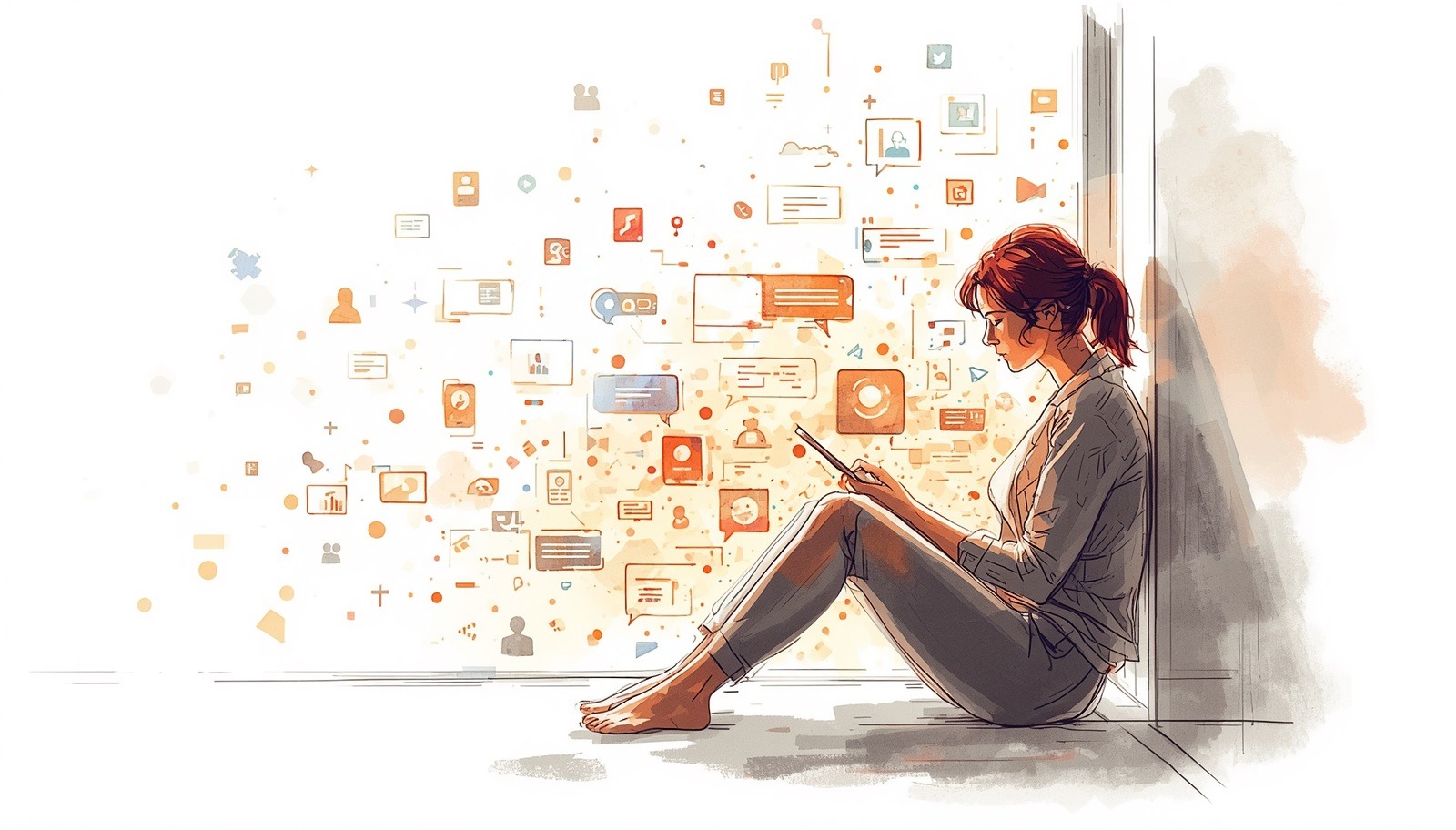
When faced with a stressful or boring task, your brain looks for an easy way to feel better — right now. So you scroll your phone, reorganize your closet, or binge a show on Netflix.
That tiny dose of dopamine from avoiding discomfort feels like relief. And your brain rewards it — forming a loop that turns into a habit.
The psychological traps behind procrastination
Let’s look at the science-backed mechanisms behind why you delay even when you know better.
1. Short-term mood repair
Procrastination is an emotional coping strategy. Avoiding a task instantly reduces stress or anxiety. You feel better right now, but it comes at a cost — later guilt, pressure, and stress.
2. Temporal discounting
We are wired to prioritize immediate rewards over long-term gains. Finishing your project next week doesn’t feel urgent — but the relief from skipping it today is instant.
3. Perfectionism and fear of failure
“I need to do it perfectly — or not at all.”
Perfectionism fuels procrastination. If you believe your worth depends on your performance, avoiding a task protects your self-esteem — but sabotages your goals.
4. Low self-compassion
People who procrastinate often beat themselves up internally. But self-criticism fuels avoidance. Research by Kristin Neff shows that self-compassion helps reduce procrastination — by making failure feel less threatening.
The hidden reasons You keep giving in
- Your brain craves quick dopamine hits
- Avoiding discomfort works — temporarily
- You’re unaware of your emotional triggers
- You believe future-you will feel more motivated (spoiler: probably not)
This is called the “tomorrow fallacy” — a form of self-deception where we expect our future self to magically feel ready and energized.
Is procrastination always bad?
Not necessarily. Occasional procrastination is part of being human. Sometimes delaying a decision gives you space to think, rest, or gather more information.
However, chronic procrastination is a different story. It’s linked to serious consequences like:
- Missed career or academic opportunities
- Chronic stress and anxiety
- Poor sleep and health habits
- Damaged relationships
- Low self-worth and confidence
- The feeling of being stuck in life
Psychologists consider chronic procrastination a self-regulation disorder — and it deserves to be addressed with care and intention.

How to stop procrastinating — the real fix (not just “time hacks”)
You don’t overcome procrastination with apps, color-coded planners, or sheer willpower alone. The solution is emotional awareness and behavioral change.
Here’s how to break the cycle step-by-step:
1. Notice the trigger
What emotions or thoughts make you avoid the task? Fear? Shame? Confusion? Recognizing your inner dialogue is the first step to shifting it.
2. Practice emotional regulation
Instead of escaping discomfort, learn to sit with it. Breathwork, journaling, or mindfulness can help reduce the urge to escape.
3. Replace harsh self-talk with self-compassion
Talk to yourself like you would to a friend. Say: “It’s okay to feel overwhelmed. Let’s take a small step.” Encouragement works better than criticism.
4. Start tiny — momentum over perfection
Break the task into the smallest possible action. Instead of “write the report,” start with “open the document.” Progress creates momentum.
5. Create rituals, not just goals
Goals are results; rituals are systems. Build habits that support consistent effort — like working in time blocks, using accountability partners, or setting clear cues.
You’re not lazy — You’re avoiding discomfort
Procrastination is a deeply human coping mechanism — a way to escape uncomfortable feelings. The good news? When you understand the emotional roots of your procrastination, you can change your habits from the inside out.
With awareness, emotional tools, and self-compassion, you can break free from the cycle — and finally show up for the life you want.
- HERE you will find 10 daily habits to stop procrastination!
- A self-language contract: 7 sentences You’ll stop saying to Yourself (and the science of what You’ll say instead)
- The silent panic of being the first Woman in Your family to make real money
FAQ: Understanding and overcoming procrastination
-
Why do I procrastinate even when I know it’s bad for me?
Most procrastination isn’t about laziness — it’s about avoiding uncomfortable emotions like fear, shame, or self-doubt. Your brain chooses short-term relief over long-term benefits, creating a habit loop that’s hard to break without emotional awareness.
-
What is emotional procrastination?
Emotional procrastination is the act of delaying tasks to escape negative feelings. Instead of dealing with fear of failure or overwhelm, we choose distractions that feel good in the moment — like scrolling or watching TV — but cause guilt later.
-
How does perfectionism cause procrastination?
Perfectionists often avoid starting tasks because they fear they won’t meet high expectations. The “all-or-nothing” mindset leads to paralysis — if it can’t be done perfectly, it’s postponed indefinitely.
-
Can self-compassion really help stop procrastination?
Yes. Research shows that self-compassion reduces the fear of failure and helps you take action without harsh self-criticism. Talking to yourself with kindness makes it easier to start tasks without emotional resistance.
-
What’s the first step to stop procrastinating?
Start by identifying your emotional trigger. Ask yourself: “What am I feeling right now that’s making me avoid this?” Naming the emotion gives you power over it — and helps you choose a healthier response.
-
Are there daily habits that reduce procrastination?
Yes. Creating small rituals like morning journaling, task batching, or using a Pomodoro timer helps rewire your brain for consistent action. Start with tiny steps to build momentum instead of chasing perfection.
-
Is procrastination ever helpful?
Occasional procrastination can be healthy if it gives you space to recharge or reflect. But chronic procrastination often signals emotional avoidance and can negatively impact your goals, confidence, and well-being.
Sources and inspirations
- Steel, P. (2007). The Nature of Procrastination: A Meta-Analytic and Theoretical Review.
- Sirois, F. & Pychyl, T. (2013). Procrastination and the Priority of Short-Term Mood Regulation.
- Neff, K. D. (2011). Self-Compassion.
- Gollwitzer, P. (1999). Implementation Intentions.
- Tice, D. M., & Baumeister, R. F. (1997). Procrastination, Performance, Stress, and Health.
Leave a Reply